
Lawn
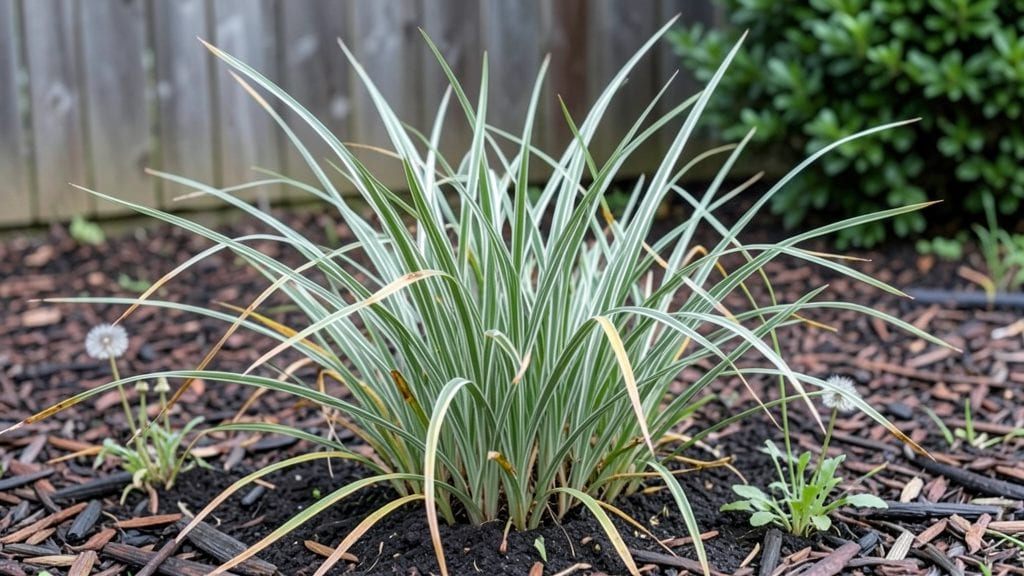
Growing white striped grass 🌱 adds bold, eye-catching texture to your yard with almost no extra work.
Tired of boring green lawns? White striped grass transforms your yard into a striking landscape feature that stands out in any neighborhood—while requiring less maintenance than you’d expect.
This drought-resistant grass thrives in USDA Zone 6 and beyond, needing just full sun and occasional watering to keep its signature stripes sharp. Unlike traditional turf, it stays lush even in heat waves and crowds out weeds naturally.
In just 3 simple steps, you can plant it in spring, watch it grow to 3 feet tall, and enjoy a low-maintenance yard that turns heads. Here’s how to make it work for you.
What is white striped grass and how does it grow?
If you’ve ever dreamed of a lawn that’s anything but ordinary, white striped grass—specifically Melinis nerviglumis, commonly called Zebra Grass—might be your perfect solution. This ornamental grass isn’t just a trendy alternative to traditional turf; it’s a heat-loving, drought-tolerant superstar that thrives where many lawns fail.
Its striking white-and-green striped blades create a bold, natural pattern that catches the eye and adds texture to any landscape. Unlike conventional grass, Zebra Grass grows in clumps rather than spreading aggressively, making it ideal for borders, accents, or even as a low-maintenance lawn substitute.
The secret behind its resilience lies in its African origins, where it evolved to survive in hot, arid conditions. This grass develops a deep root system that reaches for moisture far below the surface, reducing water needs by up to 50% compared to Kentucky Bluegrass or Fescue.
Its ability to go dormant in extreme heat or drought—then bounce back when conditions improve—sets it apart from high-maintenance turf varieties. Plus, its vertical growth habit (reaching 2 to 3 feet tall) adds height and movement to garden beds, making it a favorite among modern landscape designers.
Now, let’s dive into the science and care essentials to help you grow vibrant, healthy white striped grass that turns heads in your neighborhood.
The white stripes on Zebra Grass aren’t just for show—they’re a result of chlorophyll distribution in the leaves. The green areas produce energy through photosynthesis, while the white stripes contain less chlorophyll, creating a natural contrast that’s both functional and visually stunning.
This unique trait also helps the grass reflect sunlight, reducing heat stress in hot climates. Unlike traditional turf, which often turns brown and crispy under intense sun, Zebra Grass stays lush and continues to grow, making it a top choice for xeric landscapes (water-wise gardens).
One of the most impressive aspects of this grass is its adaptability. While it prefers full sun, it can tolerate partial shade, though the stripes may become less pronounced in low-light conditions.
Its deep roots (up to 3 feet deep) allow it to access water and nutrients far below the surface, making it far more resilient than shallow-rooted turfgrasses. In fact, once established, Zebra Grass can go weeks without rain and still recover quickly when watered.
This makes it a game-changer for gardeners in arid regions or those looking to reduce water bills without sacrificing beauty.
When it comes to growth speed, Zebra Grass is a moderate grower. In ideal conditions, it can reach its mature height of 2–3 feet within 1–2 growing seasons. Unlike aggressive turfgrasses, it spreads slowly through rhizomes (underground stems), so it won’t take over your yard like Bermuda grass.
Instead, it forms dense clumps, which makes it perfect for defined garden beds or as a textural contrast next to flowering perennials. Its upright, arching habit also adds vertical interest, which is especially useful in small spaces where height is limited.
If you’re considering Zebra Grass for your landscape, it’s essential to understand its seasonal behavior. In cool climates (Zones 7 and below), it may die back in winter but will regrow from the base in spring. In warmer zones (8–11), it stays green year-round, though it may
How to plant and maintain white striped grass for maximum impact
White striped grass isn’t just a trend—it’s a game-changer for any yard. This ornamental grass delivers bold visual impact with minimal effort, making it perfect for modern landscapes.
Unlike traditional turf, it thrives in hot climates and requires less water, while its striking white stripes add texture and height to garden beds or borders.
To keep those sharp stripes looking their best year-round, follow these step-by-step guidelines for planting and maintenance. Whether you're starting from seeds or transplanting clumps, proper soil prep, sunlight exposure, and seasonal care will ensure your white striped grass stays vibrant and healthy.
Step-by-Step Planting & Care Guide
- Step 1: Choose the Right Location
Select a spot with full sun exposure (6+ hours daily) and well-draining soil. White striped grass struggles in shady areas or soggy soil, which can dull its stripes and promote fungal growth.
- Step 2: Prepare the Soil
Test your soil’s pH—ideal range is 6.0 to 7.0. Amend with compost or sand if your soil is heavy clay. Avoid fertilizing before planting; wait until early spring for a light feed of 10-10-10.
- Step 3: Plant at the Right Time
Plant in spring (April-May) after the last frost. Space clumps 18-24 inches apart for mature size (up to 3 feet tall). Dig holes twice as wide as the root ball but no deeper.
- Step 4: Water Deeply After Planting
Give your grass a deep soak (1 inch of water) immediately after planting. Water morning-only to prevent fungal issues. Reduce to weekly watering once established (every 7-10 days in summer).
- Step 5: Prune for Shape & Health
Cut back dead foliage in early spring before new growth starts. Avoid heavy pruning—just trim 1/3 of the height to encourage bushier growth. Never prune below 6 inches to protect the crown.
- Step 6: Seasonal Maintenance Tips
Spring: Light fertilizer (1 tbsp/plant) + remove winter debris.
Summer: Water every 5-7 days (drought-tolerant but not drought-proof).
Fall: Reduce watering; let leaves stay for winter protection.
Winter: Minimal care—only water if no rainfall for 4+ weeks.
One of the biggest mistakes gardeners make is overwatering white striped grass. While it loves moisture during establishment, overhead watering can wash away soil and expose roots. Instead, use drip irrigation or a soaker hose to deliver water directly to the base.
For maximum stripe clarity, avoid high-nitrogen fertilizers. Too much nitrogen promotes leafy growth at the expense of those distinctive white stripes. Stick to a balanced 10-10-10 formula applied once in early spring—that’s all your grass needs to stay lush and patterned.
If your white striped grass starts losing its bold contrast, it may need more sunlight. Move it to a sunnier spot or thin out nearby plants casting shade.
With the right care, your grass will reward you with year-round texture and low-maintenance beauty—far outshining a plain green lawn. 🌱