
Lawn
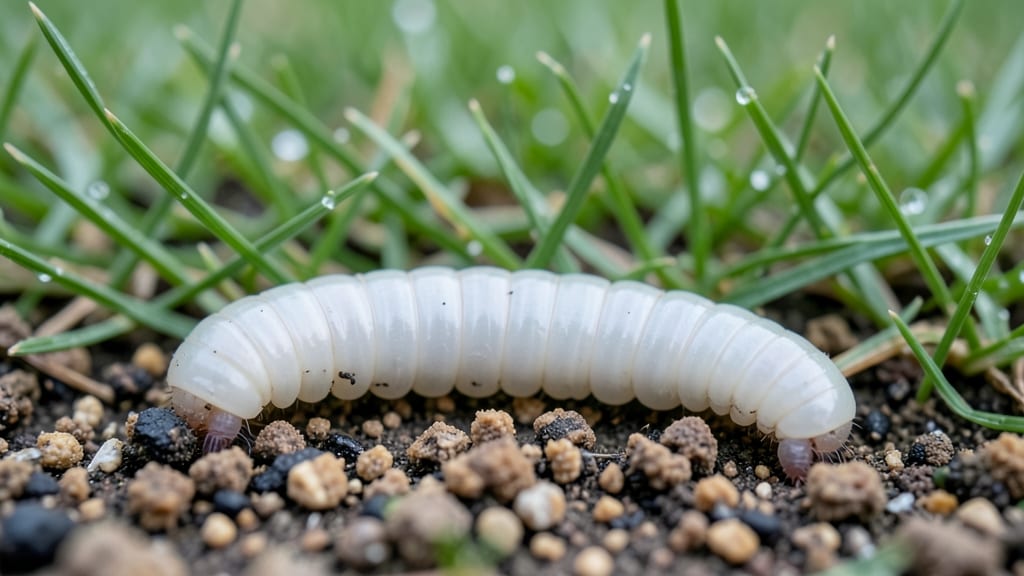
White worms wriggling in your lawn aren’t pests—they’re tiny, beneficial soil aerators that actually improve your grass roots. 🌱 I’ve seen them turn compacted soil into fluffy, oxygen-rich turf, but they can also signal an imbalance if their numbers explode.
These aren’t grubs or cutworms (those are the troublemakers), but their cousins—earthworms’ larval stage—that deserve a second look before reaching for pesticides.
The good news? They eat organic matter, breaking it down into nutrients your lawn loves. The bad? Too many mean your soil’s too rich—think of them as nature’s way of saying, "You’re over-fertilizing."
I once had a yard full of them after switching to compost tea, and while my grass grew thicker, I also noticed more birds digging around. That’s when I knew it was time to adjust my feeding routine.
You’ll spot them when you flip over sod or see small, half-moon-shaped patches where birds have been snacking. Instead of chemicals, try core aeration in fall to mimic their natural tunneling, or spread composted leaves to balance the soil.
If they’re everywhere, it’s a sign to cut back on nitrogen—your lawn’s already getting a feast.
No need for panic unless you’re seeing other damage like chewed roots or wilting grass (that’s grubs). These white worms are working for you—just keep their population in check. Here’s how to tell them apart from the real troublemakers and what to do next.
Root Causes of Lawn Invaders
If you’ve spotted tiny white worms wriggling through your lawn, don’t panic—these aren’t pests but beneficial soil aerators (likely enchytraeids or white grubs in larval stages). However, their sudden appearance often signals underlying issues in your lawn’s ecosystem.
Understanding why they thrive helps you address the root causes—literally—and restore balance. Here’s the science behind their presence, broken down into actionable insights.
White worms thrive in moist, oxygen-poor environments. If your lawn stays soggy for days after rain or overwatering, these creatures seek refuge in the damp thatch layer. Here’s why it happens:
- Poor drainage: Clay-heavy soil or compacted grass blocks water absorption, creating anaerobic zones where worms flourish. Test it: Dig a 6-inch hole—if water pools for >6 hours, drainage is the issue.
- Excessive irrigation: Watering daily (especially in short bursts) prevents soil from drying between sessions, mimicking a swampy habitat. Fix: Switch to deep, infrequent watering (1–1.5 inches per week, including rain).
- Thatch buildup: A thatch layer >0.5 inches thick traps moisture and blocks airflow. Solution: Dethatch in early fall with a rake or vertical mower.
Pro Tip: 🌡️ Monitor soil moisture with a trowel—dig 2 inches deep. If it’s damp but not saturated, adjust your watering schedule.
Heavy foot traffic, pets, or machinery compresses soil particles, reducing pore space for air and water. White worms exploit this by tunneling through loose, high-moisture pockets. The science:
- Reduced aeration: Compacted soil has <5% air porosity (ideal: 10–25%). Worms thrive in these micro-habitats because they’re easier to dig and retain moisture.
- Grass stress signals: Compacted areas often show thin, yellowing patches—a distress call that attracts decomposers (including white worms) to break down dead roots.
- Root zone disruption: Grass roots can’t penetrate compacted layers, so they shallow out, creating a perfect buffet for soil-dwelling larvae.
Fix It: 🔥 Core aeration in fall or spring (rent a core aerator or hire a pro). For quick relief, spike the lawn with a garden fork in a grid pattern, 3–4 inches deep.
White worms are detritivores—they feast on decaying plant material. If your lawn has a surplus of thatched leaves, clippings, or compost, their population will boom. Why?
- Microbe-worm synergy: Decomposing organic matter heats up soil, creating a warm, anaerobic environment. Worms and microbes work together, accelerating decay—but also multiplying.
- Nitrogen depletion: Rapid decomposition uses up nitrogen faster than grass can absorb it, leading to yellowing blades and stressed roots (a worm magnet).
- Hidden food sources: Buried grass clippings or leaf litter under thick turf create hidden worm highways. They tunnel upward as food runs out near the surface.
Balance It: ✨ Mulch properly: Bag clippings if your lawn gets >1 inch of growth per mow. Spread thin layers of compost (¼ inch) in early spring, not fall.
While worms are not pests, their overabundance can indicate fertilizer mismanagement. Here’s how chemicals play a role:
- Salt buildup: Synthetic fertilizers (especially high-salt ones) disrupt soil microbes, which then stress grass roots. Worms move in to decompose the dying organic matter.
- N-P-K ratios: Too much phosphorus (P) or potassium (K) without nitrogen (N) creates an imbalanced ecosystem. Worms thrive on the excess P/K but compete with grass for nutrients.
- Herbicide residue: Pre-emergent herbicides can kill beneficial microbes, leaving behind a worm-friendly vacuum of decaying matter.
Adjust Your Routine: 💡 Test soil first (DIY kits or lab tests). Switch to organic fertilizers (like compost tea or slow-release options) to avoid salt shock. Avoid fertilizing if soil is already wet.
White worms aren’t the enemy—they’re nature’s recyclers. By tackling moisture, compaction, organic buildup, and chemical balance, you’ll create a lawn where worms help (not harm) your grass. The key? Prevention through proper maintenance—not eradication.
Fixing Your Lawn’s Tiny White Invaders
If you’ve spotted those telltale white worms wriggling in your lawn, don’t panic—these aren’t pests but natural soil aerators! However, their sudden appearance can still signal an imbalance in your yard’s ecosystem. The good news?
With the right approach, you can restore harmony and keep your grass thriving. Below, we’ll break down targeted fixes based on the root cause, from quick remedies to long-term prevention.
If your lawn stays soggy for days after rain or watering, white worms (likely enchytraeids) may be thriving—but so are fungal risks. Fix it fast with these steps:
- 🌧️ Test Your Soil’s Drainage Dig a 6-inch hole in a problem area and fill it with water. If it drains in less than 4 hours, you’re good.
If it pools for hours or days, your lawn needs help. Pro Tip: 💡 Use a soil moisture meter ($10–$20) to monitor drainage patterns before acting.
- 🔪 Aerate Like a Pro Rent a core aerator (not just spike shoes!) to pull out plugs of soil, creating channels for water and air.
- When to do it: Early morning or late afternoon (avoid midday heat).
- Frequency: Once a year for most lawns; twice if you have clay soil.
- ⏰ Adjust Your Watering Routine
- Water deeply but infrequently: 1–1.5 inches per week (including rain).
- Morning is best: Water before 10 AM to reduce evaporation and fungal growth.
- Check for runoff: If water pools on the surface, slow down your watering time.
A thick thatch layer (over ½ inch) smothers roots and attracts moisture-loving worms. Fix it with these tools:
| Tool/Method | How to Use It | Best For |
|---|---|---|
| Rake (Manual) | Drag a bow rake over the lawn in dry weather. | Small lawns (<500 sq ft) |
| Dethatching Machine | Rent a vertical mower with dethatching blades. | Large lawns or heavy thatch |
| Topdressing | Spread a mix of sand + compost (1:1 ratio) over the lawn, then rake in. | Long-term soil health |
Pro Tip: ✨ Mow high (3–4 inches) to shade out weeds and reduce thatch buildup naturally.
White worms love nitrogen-rich, acidic soils. If your lawn is yellowing or growing slowly, they might be a sign of over-fertilizing or poor pH.
- 📊 Test Your Soil’s pH
- Ideal range: 6.0–7.0 for most grasses.
- Fix low pH (acidic): Sprinkle lime (follow package rates).
- Fix high pH (alkaline): Add sulfur or peat moss.
- 🥗 Switch to Balanced Fertilizer
- Avoid high-nitrogen fertilizers (like 30-0-0). Instead, use a slow-release, balanced formula (e.g., 10-10-10 or 16-4-8).
- Apply in spring and fall (never in summer heat).
- 🌱 Boost Organic Matter
- Spread compost or well-rotted manure (¼ inch layer) and rake in.
- Overseed with clover or fescue (deep-rooted grasses) to improve soil structure.
While white worms are harmless, overpopulation can lead to patchy grass. If you must reduce their numbers (e.g., for a special event), try these low-impact methods:
- 🌡️ Heat Treatment (Natural)
- Water the lawn heavily, then cover with black plastic sheeting for 2–3 days in 80°F+ weather. The heat will reduce worm activity without chemicals.
- Warning: This also kills beneficial insects—use sparingly.
- 🎯 Iron-Based Granules (For Severe Cases)
- Products like Iron X or Natural Green Iron can temporarily reduce worm activity by altering soil chemistry.
- Follow label rates—overuse can harm grass.
Pro Tip: 💡 Never use pesticides unless you’ve confirmed the worms are destructive species (like grubs). Most white worms are soil helpers!
Once your lawn is balanced, maintain these habits to keep white worms in check:
- ✅ Mow regularly (never remove more than ⅓ of the blade at once).
- ✅ Overseed bare spots with drought-resistant grass (e.g., tall fescue).
- ✅ Avoid compacted soil—walk on paths or use garden boards in wet areas.
- ✅ Encourage predators like birds, toads, and centipedes by keeping a diverse lawn ecosystem.
Final Thought: White worms are your lawn’s tiny plumbers—they aerate soil, break down thatch, and improve drainage. Instead of fighting them, work with them by fixing the conditions that invite their overpopulation. A little soil science + smart maintenance = a healthier, greener lawn—worms and all! 🌱
Frequently asked questions
Are white worms in my lawn harmful to grass?
Not usually! These are likely enchytraeids or white grub larvae, which are actually beneficial soil aerators. They break down organic matter and improve soil structure. Only if you see chewed roots or wilting grass should you investigate further—those could indicate destructive grubs.
How do I tell if white worms are good or bad for my lawn?
Good worms (enchytraeids) are 1/8-inch long, translucent, and move slowly. Bad ones (grubs) are 1/4-inch+, creamy-white, and curl when touched. Check for brown patches or birds digging—that’s a sign of overpopulation or damage.
What’s the fastest way to reduce white worm numbers?
For a quick fix, try core aeration to improve drainage (worms hate dry soil). In extreme cases, use iron-based granules like Iron X—these alter soil chemistry temporarily. Avoid pesticides unless you’ve confirmed destructive grubs.
Can white worms indicate a bigger lawn problem?
Yes! Their overpopulation often signals over-fertilizing, poor drainage, or thatch buildup. Test your soil’s pH and nitrogen levels. If it’s acidic (below 6.0) or has excess nitrogen, that’s likely the cause.
Will birds eating white worms help my lawn?
Yes and no. While birds reduce worm numbers, they also dig up grass and leave droppings. For balance, encourage natural predators like toads or centipedes by keeping a diverse lawn ecosystem with clover or fescue.