
Lawn
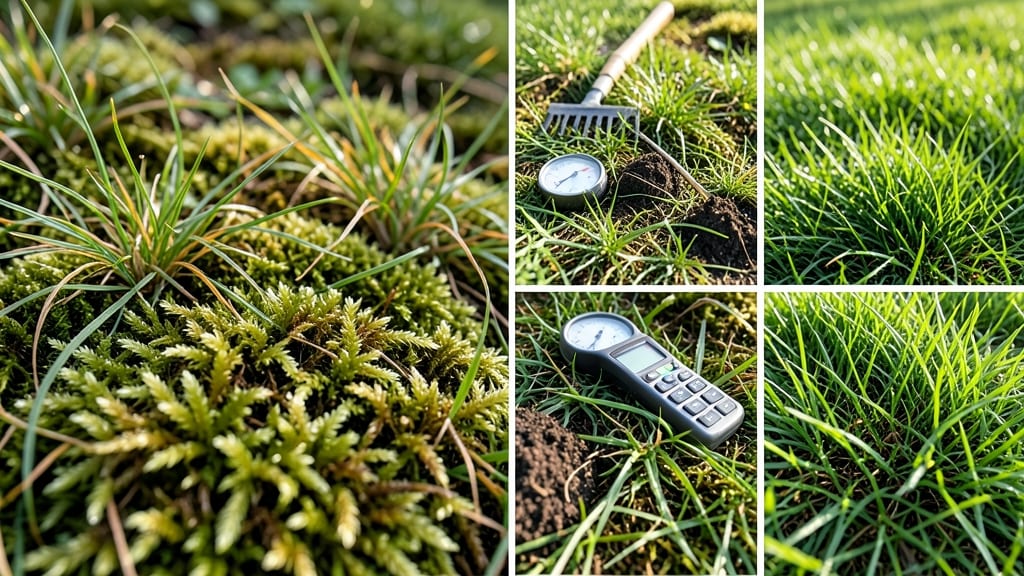
Your lawn's moss problem isn't just weeds—it's a cry for help from your soil. 🌱 That velvety green carpet thrives where grass struggles, and the reason usually boils down to one word: acidity.
My own lawn went from lush to mossy overnight after years of neglect, and I learned the hard way that fixing it requires more than just raking. The real culprits? Shady spots with poor airflow, compacted soil that can't drain, and watering habits that keep the ground too wet.
Moss loves these conditions because it's a pioneer plant—it moves in when grass can't compete. The good news? You can outsmart it with simple adjustments that work in as little as 4-6 weeks. Start by improving airflow with a dethatching rake, then adjust your watering to morning sessions only.
Overseeding with shade-tolerant grass varieties will crowd out the moss naturally, and a quick soil test reveals whether lime or compost is your next best friend. The results? A lawn that stays green underfoot, not just on top.
This isn't a slow process—it's a fast transformation that pays off in fewer weeds, better drainage, and grass that actually wants to grow where you planted it. Let's get your lawn back to work.
The hidden triggers behind lawn moss
If your lawn looks like a patchwork of lush grass and spongy green moss, you’re not alone—moss thrives in conditions that grass struggles with. But why does it keep coming back?
The answer lies in environmental factors that create the perfect moss-friendly ecosystem. Let’s break down the science behind why moss takes over and how you can address it.
Moss loves water—a lot of it. Unlike grass, which needs well-drained soil to thrive, moss flourishes in soggy, waterlogged conditions. Here’s why:
- Compacted soil: Heavy foot traffic, construction equipment, or even natural settling can compress the soil, preventing water from draining properly. When water pools on the surface, moss gets the upper hand.
- Clay-heavy soil: Clay soils are dense and slow to drain. If your lawn sits in a low-lying area or has poor slope, water lingers, creating a moss paradise.
- Overwatering: While grass needs consistent moisture, excessive watering (especially in shaded areas) keeps the soil perpetually damp—ideal for moss spores to germinate and spread.
Actionable fix: Test your soil’s drainage by digging a 6-inch hole and filling it with water. If it drains in less than 4 hours, you’re in good shape. If not, consider aerating or amending the soil with organic matter like compost or sand to improve porosity.
Grass is a sun-worshipper—it needs 4 to 6 hours of direct sunlight daily to photosynthesize and grow. But moss? It’s the shade-loving underdog of the plant world. Here’s the science:
- Photosynthesis differences: Grass relies on sunlight to produce energy, while moss can survive with as little as 2 hours of indirect light. In shady spots, grass weakens and thins out, leaving bare soil for moss to colonize.
- Moisture retention: Shaded areas dry out more slowly because sunlight evaporates water. This keeps the soil damp longer, giving moss a competitive edge.
- Tree canopies and structures: Large trees, fences, or buildings block sunlight, creating microclimates where moss spreads unchecked.
Actionable fix: If possible, trim overhanging branches or thin out dense tree foliage to let more light reach your lawn. For stubborn shade spots, consider shade-tolerant grass varieties like fine fescue or creeping red fescue, which outcompete moss better than Kentucky bluegrass.
Most lawn grasses prefer a neutral to slightly alkaline pH (6.0–7.5), but moss? It loves acidic soil (pH 4.5–6.0). Here’s why pH matters:
- Nutrient availability: Acidic soil releases aluminum and manganese, which are toxic to grass roots but beneficial for moss. These minerals help moss break down organic matter and spread rapidly.
- Microbe activity: Fungi and bacteria in acidic soil favor moss growth over grass. These microbes help decompose organic material, creating a nutrient-rich layer that moss exploits.
- Lime resistance: Grass can recover from acidic soil with lime applications, but moss thrives in these conditions and often returns if the pH isn’t raised and maintained.
Actionable fix: Test your soil’s pH with a home test kit or lab analysis. If it’s below 6.0, apply pelletized lime in the fall or early spring. Aim for a target pH of 6.5–7.0 for grass health. Re-test in 6 months—moss will return if the pH drops again!
Moss doesn’t just appear out of nowhere—it fills gaps where grass is weak or absent. Here’s how grass decline sets the stage for moss:
- Thatch buildup: A thatch layer thicker than ½ inch blocks water, air, and nutrients from reaching grass roots. Weak grass can’t compete, and moss moves in.
- Poor fertilization: Grass needs nitrogen, phosphorus, and potassium to stay thick. Without proper feeding, grass becomes sparse, leaving bare soil for moss spores.
- Disease or pests: Fungal infections (like brown patch) or insect damage (like grubs) weaken grass, creating open spaces where moss takes hold.
- Improper mowing: Cutting grass too short stresses it, while leaving it too long can smother it. Both scenarios create conditions moss loves.
Actionable fix:
- 🔥 Aerate your lawn in early fall to reduce thatch and improve root access to nutrients.
- 🌱 Overseed bare spots with a high-quality grass seed mix matched to your climate.
- 💡 Fertilize in early spring and fall with a slow-release, balanced fertilizer (e.g., 16-4-8 or 20-5-10).
- 🔪 Adjust your mower height—never remove more than ⅓ of the grass blade at once.
Urban lawns and high-traffic areas often suffer from hidden stressors that weaken grass and invite moss. Key culprits include:
- Air pollution: Ozone and nitrogen oxides from vehicles or industry can damage grass leaves, making them more susceptible to moss invasion.
- Compacted soil from foot traffic: Heavy use (kids playing, pets running, or frequent walking) compresses soil, reducing oxygen and water infiltration—moss’s favorite conditions.
- Salt buildup (coastal areas or de-icing): Salt kills grass roots and leaves behind a barren, moss-friendly surface.
Actionable fix:
- 🌡️ Reduce foot traffic in problem areas or install stepping stones to protect soil structure.
- ✨ Flush salt-affected soil with fresh water and apply gypsum to improve soil structure.
- 🎯 Use a grass-specific fertilizer to strengthen blades against pollution damage.
How to Fix Your Mossy Lawn
Moss in your lawn isn’t just an eyesore—it’s a sign your grass isn’t thriving. The good news? With the right approach, you can reclaim a lush, green lawn.
Below, we break down targeted fixes based on the most common causes of moss, plus prevention tips to keep it from coming back.
Moss loves shade and moisture, while most grasses struggle there. To outcompete it:
🔥 Choose the Right Grass
- For heavy shade: Opt for shade-tolerant grasses like Fine Fescue or Creeping Red Fescue.
- For partial shade: Kentucky Bluegrass or Perennial Ryegrass mix well with fescue.
- Pro tip: 💡 Test your lawn’s shade levels—if moss dominates, consider a shade-tolerant ground cover (like clover) in problem areas.
🍳 Improve Drainage
- Aerate compacted soil (rent a core aerator or hire a pro) to help water drain faster.
- Add organic matter (compost or peat moss) to boost soil structure—this helps roots access oxygen and water.
- Install a French drain if water pools in low spots.
⏰ Adjust Watering Habits
- Water deeply but less often (1–1.5 inches per week) to encourage deep grass roots.
- Avoid daily light watering, which keeps moss happy and grass weak.
- Water in the morning to reduce evening moisture that moss craves.
Acidic soil (pH < 6.0) and nutrient deficiencies invite moss. Here’s how to fix it:
📊 Test and Adjust pH
- Get a soil test kit (or send a sample to a lab) to check pH and nutrient levels.
- Raise pH if needed:
- Lime (calcium carbonate) is the fastest fix—apply 10–20 lbs per 1,000 sq ft based on your soil’s pH.
- Spread evenly with a broadcast spreader, then water it in.
- Wait 2–3 months before retesting—lime takes time to work!
💪 Fertilize for Stronger Grass
- Use a slow-release, balanced fertilizer (10-10-10 or 16-4-8) in early spring and fall.
- Add iron supplements (like chelated iron) if your lawn looks yellowish—moss thrives where grass is weak.
- Avoid over-fertilizing with nitrogen—it can harm shade grasses and feed weeds.
✨ Boost Organic Matter
- Top-dress with compost (¼ inch layer) to improve soil health naturally.
- Use a lawn fertilizer with microbial additives to break down thatch and feed beneficial soil organisms.
If moss has already taken over, you’ll need to eliminate it strategically—but avoid harsh chemicals that can damage your lawn.
👨🍳 Natural Removal Methods
- Hand-pull moss in small areas (works best after rain when it’s soft).
- Rake it out with a stiff lawn rake—focus on thin spots where grass is struggling.
- Solarize the area (cover with clear plastic for 4–6 weeks in hot sun) to kill moss naturally.
🎯 Chemical-Free Moss Killers
- Hydrogen peroxide (3%) – Spray on mossy patches (follow label rates) to kill it without harming grass.
- Corn gluten meal – A pre-emergent that starves moss while feeding your lawn (apply in early spring).
- Vinegar (undiluted, spot-treat only) – Works fast but can burn grass if overused.
⚠️ Avoid These Mistakes
- Don’t use iron sulfate—it lowers pH further, making moss worse long-term.
- Skip salt-based products—they harm grass and soil microbes.
- Don’t overseed right after killing moss—wait until the area is prepped with compost and lime.
Once your lawn is moss-free, keep it that way with these habits:
- Mow high (3–4 inches) – Taller grass shades out moss and develops deeper roots.
- Leave grass clippings – They return nutrients to the soil naturally.
- Overseed bare spots – Use fine fescue or clover for shade-prone areas.
- Check soil pH yearly – Maintain a pH of 6.0–7.0 for optimal grass growth.
- Improve airflow – Trim overgrown trees/shrubs to let sunlight reach the lawn.
Remember: Moss is a symptom, not the real problem. By fixing shade, soil, and watering, you’ll create an environment where grass outcompetes moss naturally. Start with one or two fixes, monitor progress, and adjust as needed—your lawn will thank you! 🌱💚
Frequently asked questions
Is moss actually bad for my lawn?
Moss itself isn't harmful, but it signals underlying problems like poor drainage or acidic soil that weaken grass. While it doesn't spread through roots or seeds, it quickly fills gaps where grass struggles to grow. The real issue is what moss indicates—your lawn needs better conditions to thrive.
Can I just rake out the moss and expect grass to grow back?
Raking helps, but moss will return if you don't address the root causes. First fix drainage issues, then overseed with shade-tolerant grass varieties. Without proper soil conditions, new grass seedlings will struggle just like the old ones. Think of moss removal as just the first step in a longer process.
How often should I test my soil pH if moss keeps coming back?
Test your soil pH annually if moss is a recurring problem. Acidic conditions (below pH 6.0) create perfect moss-growing environments. Even after applying lime, soil pH can shift naturally. Regular testing helps you adjust treatments before moss gets a foothold again.
Will lime kill existing moss in my lawn?
Lime won't directly kill moss, but it creates hostile conditions by raising soil pH to levels where grass thrives instead. The moss will gradually die out as grass fills in the space. For faster results, combine lime application with overseeding and proper watering habits to crowd out the moss naturally.
Are there any moss-resistant grass varieties I should consider?
Yes! For shady areas, try fine fescue or creeping red fescue—both tolerate low light better than Kentucky bluegrass. These varieties develop deeper roots that outcompete moss for nutrients. For sunny spots, consider tall fescue or perennial ryegrass mixes that stay thick and dense.