
Lawn
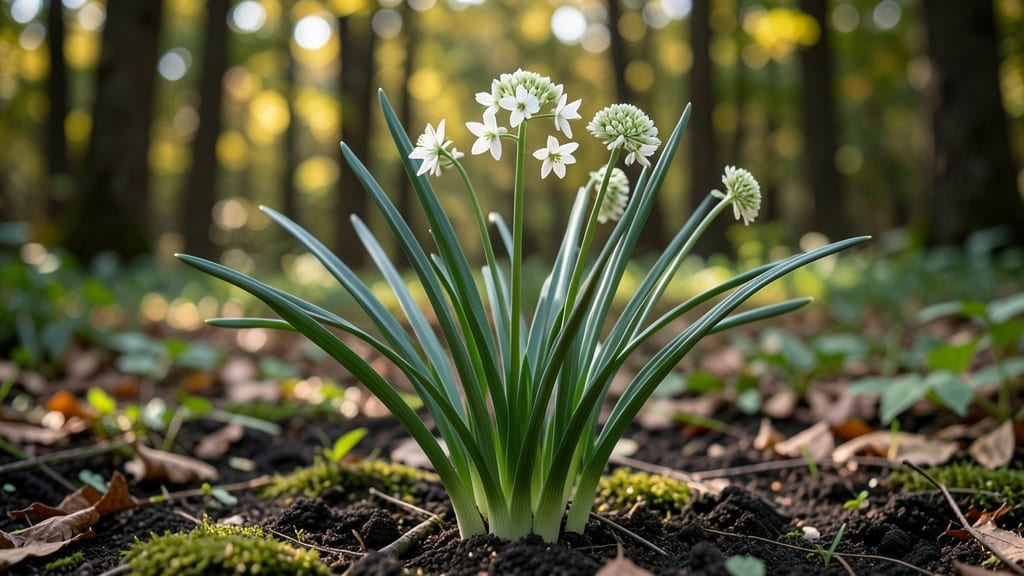
Wild onions in your lawn don't just look like grass—they smell like onions when crushed. 🌱 I've spent years battling these tenacious invaders, and the good news is you can eliminate them naturally without harsh chemicals that harm your lawn or the environment.
The problem starts when wild onions spread through underground bulbs and seeds, crowding out grass and leaving bare spots. They thrive in sunny lawns with poor soil, and once established, they're tough to kill with a quick spray. But with the right timing and persistence, you can reclaim your lawn.
By targeting them at the right season and using manual removal techniques, you'll see fewer onion shoots each year. The key is consistency—pull them early in spring or fall when they're most vulnerable, and your lawn will gradually fill in with healthier grass.
This method works for homeowners in any climate, whether you're dealing with a small patch or a full lawn takeover. Let's get those wild onions out for good and restore your lawn's natural beauty.
How Lawn Conditions Invite Wild Onions
Wild onions—those stubborn, grass-like invaders with a pungent kick—don’t just appear out of nowhere. Your lawn’s environment often actively encourages them to thrive, turning your green space into their perfect habitat.
Understanding the root causes (literally!) helps you disrupt their lifecycle before they take over. Here’s why they keep showing up, broken down by the most common triggers.
Wild onions (like Allium vineale, the common wild garlic) love soil that’s nutrient-poor but well-drained. Here’s why:- Low organic matter: Compacted or sandy soils lack the competition from deep-rooted grasses or clover, leaving gaps for onion seeds to germinate. Test your soil’s organic content—aim for 5%+ for a healthy turf.
- High pH levels (alkaline soil): Wild onions prefer pH 6.0–7.5. If your lawn’s soil tests above 7.5, it discourages desirable grasses but welcomes weeds like onions. Action: Add sulfur or peat moss to lower pH gradually.
- Lack of nitrogen: Thin lawns (often from nitrogen deficiency) create bare spots where onion seeds sprout. Solution: Apply a slow-release nitrogen fertilizer (like milorganite) to crowd out weeds naturally.
Watering habits play a huge role in wild onion proliferation. These weeds are drought-tolerant but hate waterlogged conditions—yet inconsistent moisture gives them the upper hand:
- Deep, infrequent watering: Wild onions thrive in dry spells because their bulbs store moisture. If you water too deeply (e.g., 1–1.5 inches at a time), you may inadvertently stress your grass while giving onions the perfect conditions to spread.
- Surface-level watering: Light, frequent watering (like daily sprinkling) keeps soil moist at the top layer, encouraging shallow-rooted weeds—including wild onions—to dominate. Fix: Water deeply 2–3 times per week (early morning) to encourage grass roots to outcompete weeds.
- Drainage issues: Areas with poor drainage (like low spots) can become waterlogged, which onions avoid—but the surrounding dry patches become their favorite spots. Solution: Rake sand or compost into soggy areas to improve aeration.
Your mower might be unintentionally helping wild onions spread. Here’s how:
- Cutting too short: Mowing grass below 2.5–3 inches weakens turf, allowing onion seeds to germinate in the exposed soil. Pro tip: Keep grass 3–4 inches tall to shade out weeds.
- Mowing at the wrong time: Cutting when onions are flowering (spring to early summer) spreads their seeds via the mower blades. Avoid: Mow during peak bloom (May–June) if possible.
- Uneven cutting: If your mower scalps (cuts unevenly), it creates bare patches where onions thrive. Fix: Adjust mower height and sharpen blades regularly.
Wild onions exploit weak spots in your lawn. Common culprits:
- Thin grass from foot traffic: High-traffic areas (like pet paths or play zones) compact soil, smothering grass roots and inviting onion seeds.
- Disease or pest damage: Fungal infections (like brown patch) or grubs can kill grass, leaving gaps for weeds. Prevent: Aerate annually and treat pests early.
- Construction or soil disturbance: Newly seeded or sodded lawns are vulnerable until grass establishes (6–12 weeks). Solution: Use a pre-emergent herbicide (like corn gluten meal) in early spring to block seeds.
Wild onions reproduce aggressively through both bulbs and seeds, making them hard to eradicate:
- Bulb fragments: Even a small piece of an onion bulb left in the soil can regrow. Why? Their bulbs are highly resilient and can survive years dormant.
- Seed dispersal: A single wild onion plant can produce hundreds of seeds that spread via wind, water, or (you guessed it) your mower.
- Animal activity: Birds and rodents love onion bulbs and seeds, spreading them across your yard. Tip: Remove mature plants before they seed (spring to summer).
Key takeaway: Wild onions don’t just appear—they’re opportunistic. By addressing soil health, watering habits, mowing practices, and turf density, you can starve them out before they become a full-blown invasion. The next section covers natural removal methods to kick them out for good.
Quick Fixes for Unwanted Onion Growth
Wild onions (or Allium vineale) can turn your pristine lawn into a patchwork of green and pungent intruders—but the good news is you don’t need harsh chemicals to reclaim your yard.
Below are practical, step-by-step solutions tailored to the root causes of wild onion invasion, from manual removal to long-term prevention. Let’s tackle this green menace for good!
Best for: Small patches, early-stage invasions, or eco-conscious gardeners. When to do it: Spring or fall (when soil is moist but not waterlogged).
- 👨🍳 Identify the Problem Wild onions have long, grass-like leaves and a bulb (not a rhizome like grass). Pull only when the entire plant is visible—never yank by the leaves (this can leave stubborn roots behind).
- 🥘 Loosen the Soil Use a hand fork or trowel to gently loosen the soil around the base. This helps dislodge the bulb without breaking it.
- 🔪 Extract the Bulb Grasp the base of the plant (not the leaves) and pull firmly upward. If resistance is strong, wiggle slightly to free the bulb. Pro tip: Wear gloves—wild onions release allicin (the compound that makes your hands smell like garlic for hours!).
- 🗑️ Dispose Properly
- Compost? No—wild onion bulbs can sprout again if composted. Toss them in the trash instead.
- Alternative: Place bulbs in a sealed bag and leave them in the sun for a few days to dry out before disposal.
✨ Pro Tip: Work in small sections to avoid missing any bulbs. Recheck the area in 2–3 weeks—new shoots may pop up!
Best for: Larger infestations, areas where hand-pulling is tedious, or prevention in high-risk zones. When to do it: Spring or early summer (before onions spread via seed).
- 📊 Cover the Area Lay down cardboard, thick layers of newspaper, or landscape fabric over the infested patch. Secure with rocks or mulch to block light.
- 🥗 Add Mulch (Optional but Effective) Top with 2–3 inches of organic mulch (straw, wood chips, or leaves). This smothers existing bulbs and prevents seeds from germinating.
- 💡 Wait & Monitor
- Weeks 1–4: Check for new shoots poking through. If you see any, pull and re-cover.
- Month 3+: The area should be bulb-free. Once clear, reseeds with grass or plants.
🔥 Hot Tip: For persistent spots, try a black plastic sheet (left for 4–6 weeks in summer) to cook the bulbs in the heat.
Best for: Medium-sized patches, quick knockdown, or spot treatment. When to do it: Warm, dry days (vinegar works best when plants are actively growing).
- 🍎 Mix the Solution
- 1 gallon of white vinegar (5% acetic acid)
- 1 tbsp dish soap (as a surfactant to help it stick)
- 1 tbsp salt (optional, boosts effectiveness)
- 🌡️ Apply Precisely
- Spray directly on leaves (avoid desirable plants—vinegar kills everything it touches!).
- Reapply every 3–5 days until the onions turn brown and crispy (usually 1–2 weeks).
- 🔪 Follow Up Once the foliage is dead, dig up any remaining bulbs (vinegar doesn’t kill the root system).
⚠️ Warning: Vinegar can burn grass if oversprayed. Use a shield or cardboard to protect nearby turf.
Once you’ve cleared the wild onions, keep them from staging a comeback with these low-maintenance tactics:
| Method | How It Works | Best For |
|---|---|---|
| 🌱 Overseed with Grass | Crowds out weeds by filling gaps. | Lawns with thin or patchy grass. |
| 🌡️ Corn Gluten Meal | Natural pre-emergent (applied in early spring). | Prevention in high-risk areas. |
| 🥗 Boost Soil Health | Healthy turf = fewer weed opportunities. | All lawns (add compost or fertilizer). |
| 🔄 Regular Mowing | Keeps onions from seeding. | Maintenance routine (mow high, 3–4"). |
💡 Pro Tip: Dethatch your lawn annually—wild onions thrive in compacted, thatchy soil.
- ❌ Mow and leave clippings (spreads seeds).
- ❌ Use post-emergent herbicides (kills grass too; stick to pre-emergent like corn gluten).
- ❌ Ignore small patches (they multiply fast!).
With consistent effort, your lawn can go from wild onion wonderland to lush, green perfection—without a single chemical. Start with one method, monitor progress, and adjust as needed. Happy gardening! 🌱💪
Frequently asked questions
How can I tell if those grass-like plants are actually wild onions?
Crush a leaf between your fingers—if it smells strongly of onions or garlic, it's a wild onion. They also have hollow stems and a single bulb at the base (unlike grass, which has fibrous roots). Look for clusters of long, thin leaves growing in 3s or 4s.
Will vinegar really kill wild onions without harming my grass?
Vinegar works best on small patches, but it's non-selective—it'll kill anything it touches. For safety, apply it only on dry days and use a shield to protect surrounding grass. Test a small area first, and avoid spraying when grass is wet.
How long does it take to completely eliminate wild onions from a lawn?
With consistent effort, you'll see noticeable improvement in 3-6 months. The key is persistence—recheck treated areas every 2-3 weeks and remove any new shoots. Larger infestations may take 1-2 years of seasonal treatments.
Can I use corn gluten meal to prevent wild onions from coming back?
Yes! Apply 20 lbs per 1,000 sq ft in early spring before seeds germinate. It doubles as a natural fertilizer while blocking weed seeds. Reapply annually for best results, and water it in lightly after application.
Why do wild onions keep coming back even after I pull them all?
Those stubborn bulbs can survive years in the soil—even tiny fragments regrow! The solution is to combine removal with prevention: smother remaining areas, improve soil health, and overseed with dense grass to crowd them out.