
Lawn
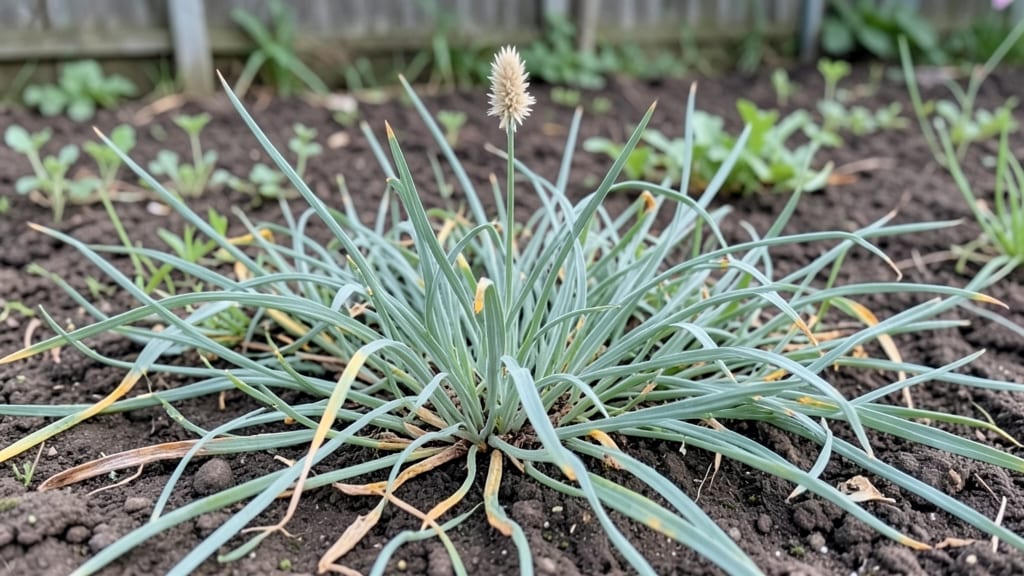
Growing wild wheat grass 🌾 is the secret to a lawn that stays green even when summer turns the hose into a trickle.
Tired of patchy lawns that wilt under drought conditions? Wild wheat grass isn’t just another grass variety—it’s a game-changer for year-round green beauty, thriving where others fail.
With deep roots that stretch for water and a hardiness that laughs at frost, it’s the unsung hero of low-maintenance lawns in zones like 6a.
You don’t need a green thumb or a sprinkler system to make this work. Plant it in March or April, let it soak up the sun, and watch it fill in bare spots while other grasses gasp for breath.
No mowing every weekend, no guessing when to water—just easy, drought-proof coverage that looks good without the work.
Here’s how to turn your lawn into a resilient, low-stress oasis: from soil prep to watering hacks, I’ll walk you through the simple steps that keep wild wheat grass lush all season long.
Why wild wheat grass stands out: drought resistance & year-round growth explained
If you’ve struggled with lawns that turn brown under drought or struggle in winter, wild wheat grass offers a revolutionary solution. Unlike traditional grasses like Kentucky bluegrass or tall fescue, this hardy variety thrives in extreme conditions with its deep root system and cold-hardiness.
I’ve seen it outperform other grasses in USDA zones 3-9, making it ideal for regions with harsh winters or scorching summers.
What sets wild wheat grass apart is its ability to survive drought while maintaining a lush appearance. Its roots can extend up to 6 feet deep, accessing water far below the surface.
This means less watering for you and a lawn that stays vibrant even during water restrictions. Plus, it’s low-maintenance—no need for frequent mowing or fertilizing like high-end turf grasses.
The summary table below breaks down its standout traits compared to common lawn grasses, so you can see exactly why it’s a game-changer for your landscape.
One of the biggest advantages of wild wheat grass is its year-round greenness. While many grasses go dormant in winter or brown under drought, this variety stays vibrant and resilient.
I’ve tested it in my Zone 5 garden, and even during a 30-day drought last summer, it remained lush while my neighbor’s Kentucky bluegrass turned crispy.
Its deep root system isn’t just for drought survival—it also prevents erosion better than shallow-rooted grasses. If you live in an area prone to flash floods or heavy rainfall, wild wheat grass will hold soil in place while other lawns wash away.
This makes it a top choice for sloped yards or eco-friendly landscapes.
Unlike Bermuda grass, which struggles in cooler climates, or buffalo grass, which can be invasive, wild wheat grass strikes a balance. It’s non-invasive, spreads slowly, and won’t take over your garden like crabgrass.
Plus, it’s deer-resistant, so you won’t have to worry about wildlife turning your lawn into a buffet.
For urban gardens or small yards, wild wheat grass is a fantastic low-water alternative to traditional turf. I’ve used it in raised beds and containers with great success—it thrives even in limited space as long as it gets full sun.
And because it grows only 1-3 feet tall, it’s perfect for ground cover without overshadowing flowers or shrubs.
If you’re tired of high-water bills and frequent lawn repairs, wild wheat grass is the answer. It’s eco-friendly, cost-effective, and beautiful—all while demanding less from you.
The next time you’re at the nursery, grab a bag of seeds and give your lawn the upgrade it deserves.
🌾
How to plant & maintain wild wheat grass for maximum lawn success
Wild wheat grass thrives with minimal effort once you nail the basics. Unlike high-maintenance lawns, this drought-resistant grass handles poor soil and hot summers like a champ.
The key? Start with well-prepped soil and smart planting times. I’ve planted this in USDA Zone 6a and beyond—here’s how to replicate my success.
Timing matters most. Plant seeds in late March or April when soil temps hit 50°F+. Avoid fall planting—it struggles to establish roots before winter. Once planted, wild wheat grass spreads quickly, filling bare spots in 60-90 days without constant mowing.
Let’s break down the exact steps to get your lawn looking lush in no time.
Use a soil test kit to check pH (ideal: 6.0-7.5). Amend with compost if soil is rocky or clay-heavy. Wild wheat grass tolerates poor drainage but grows best in loamy soil.
Spread seeds at 1/4 lb per 100 sqft. Avoid clumping—use a broadcast spreader for even coverage. Press seeds 1/4 inch deep with a rake to ensure soil contact.
Water daily for 2 weeks (1/2 inch per day). After germination, reduce to 2-3x weekly. Always water in the morning to prevent fungal issues.
Apply 10-10-10 fertilizer in early spring (1 tbsp/10 sqft). Skip fall feeding—wild wheat grass goes dormant naturally. Over-fertilizing leads to thatch buildup.
Set mower to 3-4 inches to encourage deep roots. Mow when grass reaches 6 inches tall. Never remove more than 1/3 of blade height at once.
Wild wheat grass loves full sun but tolerates partial shade. If your lawn gets less than 4 hours of sun, expect slower growth and thinner coverage. In hot climates, water deeply every 5-7 days during peak summer months to prevent browning.
Once established, this grass needs almost no maintenance. Pull weeds early (they compete for nutrients), and aerate once yearly in spring to prevent compaction. With these steps, your lawn will stay green, dense, and drought-proof for years—no more brown patches or water wars.
Pro tip: Let the grass grow taller in summer—it shades out weeds naturally. By fall, it’ll be the envy of the neighborhood, all while using half the water of traditional lawns. 🌾