
Plants
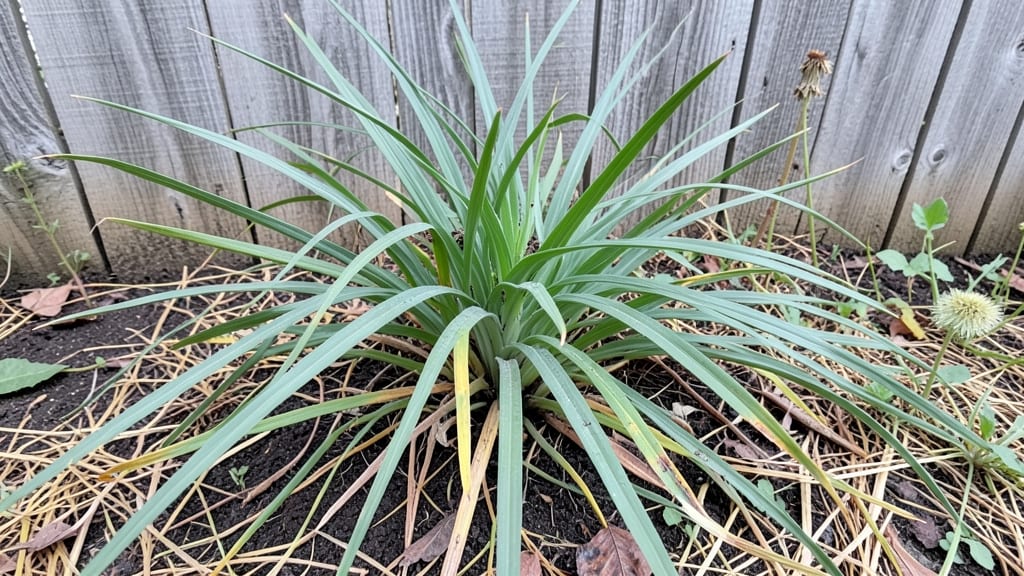
Lemongrass will come back each year as a hardy perennial in warm climates, regrowing from its root system after dying back in winter. Cold snaps may kill it to the ground, but the roots survive to sprout fresh shoots in spring if protected or planted in frost-free zones.
Lemongrass thrives as a perennial in zones where temperatures rarely dip below 25°F, thanks to its robust underground rhizomes. 🌱 These roots store energy like a natural battery, allowing the plant to bounce back even after frost damage.
In colder areas, you can extend its life by moving potted plants indoors or covering the base with thick mulch during winter months.
What sets lemongrass apart is its ability to regenerate from just a few inches of remaining root—even if the stalks appear dead. This makes it far more resilient than many tropical plants, though consistent moisture and well-draining soil are key to encouraging strong regrowth each spring.
💡 In This Article
- Lemongrass Perennial Growth Cycle Explained
- How to Overwinter Lemongrass in Cold Climates
Lemongrass perennial growth cycle explained
The lemongrass growth cycle follows a clear seasonal rhythm in frost-free zones (USDA 9-11), where it behaves like a true perennial. Here's what's actually happening underground: The plant stores carbohydrates in its rhizomatous root system during warm months, building energy reserves that fuel regrowth.
These roots can extend up to 3 feet deep and spread horizontally, creating a network that regenerates even after severe frost damage. 🌱
Spring regrowth begins when soil temperatures reach 60°F, triggering new shoots from dormant buds. By late spring, the plant enters its most vigorous phase, producing 3-5 foot stalks with those signature citrusy leaves.
The summer peak continues until autumn, when cooler nights signal the plant to slow growth and prepare for dormancy—though it never fully dies in warm climates. This dormancy phase is crucial for energy conservation.
The key factor in survival is the rhizome's cold tolerance threshold. While top growth may brown at 25°F, the roots remain viable down to 15°F with proper protection. In zone 10, lemongrass grows continuously, while in zone 9, it may experience light dormancy during mild winters.
The plant's ability to regenerate from just 1-2 inches of root makes it remarkably resilient compared to annuals.
What most people don't realize is how the root system functions like a biological battery. During summer, the plant converts sunlight into stored energy through photosynthesis in the leaves, then transports it to the rhizomes.
This stored energy powers new growth when conditions improve—similar to how sweet potatoes regenerate from their tubers. The rhizomes also produce growth hormones that stimulate shoot development in spring. 💫
In practical terms, this means you can harvest lemongrass year-round in warm climates by cutting stalks at the base, which actually encourages bushier growth. The plant's ability to regenerate from minimal root tissue means even accidental damage won't kill it—just give it time to recover.
For gardeners in marginal zones, understanding this cycle helps determine when to provide protection or move plants indoors.
Consider these seasonal milestones for optimal care:
- Spring: New shoots emerge when soil reaches 60°F—this is when to thin crowded clumps
- Summer: Peak growth phase (June-August) when stalks reach harvest size
- Autumn: Growth slows as temperatures drop below 75°F—reduce watering
- Winter: Top growth may die back, but roots remain active in zones 9-11
The plant's perennial nature makes it an excellent choice for tropical gardens, where it can thrive for decades with minimal intervention. Unlike annuals that require replanting, lemongrass becomes more productive each year as its root system expands.
This longevity, combined with its culinary value, makes it one of the most rewarding perennial herbs to grow. ✨