
Lawn
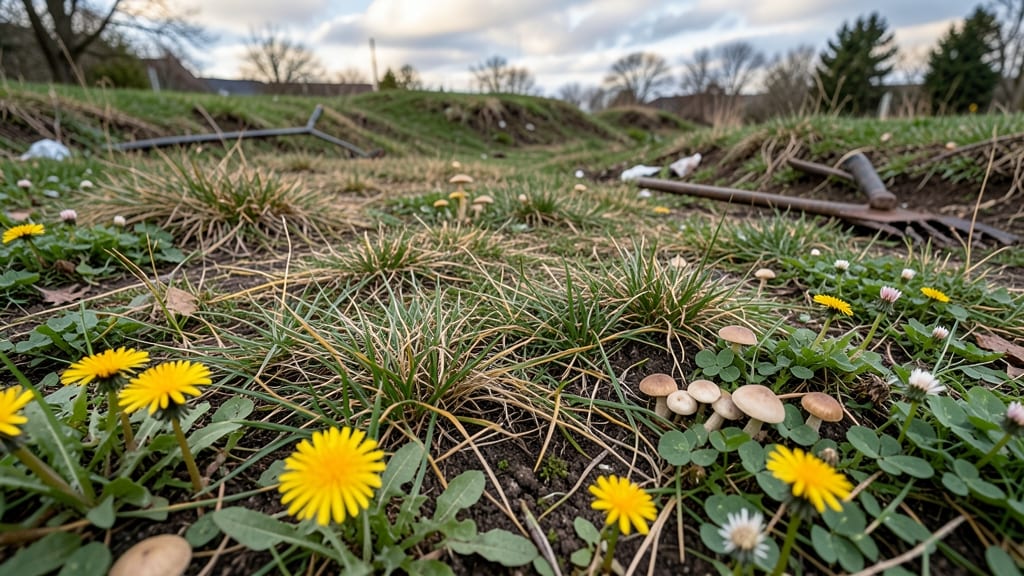
Your "worst lawn ever" isn't a lost cause—it’s a 30-day challenge waiting to happen. 🌱 I’ve turned brown patches and weed jungles into vibrant green carpets using simple, no-fuss techniques that actually work. The key? Stop guessing and start testing your soil, sunlight, and water first.
Most lawns fail because of three hidden problems: compacted soil, wrong grass type, or inconsistent care. My first step? A $20 soil test kit and a weekend of pulling weeds by hand (yes, it’s weirdly satisfying).
Then came aeration, overseeding with the right grass, and a watering schedule that finally made sense. No magic potions—just science and persistence. By day 30, you’ll see thick, bouncy grass that makes neighbors ask for your secret. The best part?
It stays lush with minimal upkeep once you nail the basics. Let’s fix this together—starting with your biggest problem spots. We’ll tackle shade, sun, and even those stubborn bare patches. No green thumb required, just a willingness to roll up your sleeves. Ready to see real results?
The Hidden Culprits Behind Brown
Your lawn might look like a post-apocalyptic wasteland, but the blame usually isn’t just bad luck—it’s a mix of overlooked science and everyday mistakes. Understanding why your grass turns into the "worst lawn ever" is the first step to fixing it.
Let’s break down the real reasons your lawn is struggling, backed by soil science, plant biology, and even a little meteorology.
Grass is resilient, but it has limits. Drought, heatwaves, and even excessive rain can turn your lawn into a sad, patchy mess. Here’s how:
- Drought Stress: Grass roots need consistent moisture to absorb nutrients and photosynthesize. When soil dries out, roots shrink and die back, leaving blades yellow and crispy. Fun fact: Most turfgrasses enter dormancy when soil moisture drops below 40%—that’s why even "drought-resistant" varieties need occasional deep watering.
- Overwatering: Too much H2O suffocates roots by displacing oxygen in the soil. Waterlogged conditions create anaerobic pockets, where harmful bacteria thrive and decompose root tissue. Pro tip: Test your soil’s drainage—if water pools after 48 hours, you’ve got a compaction or clay issue.
- Heat Scorch: Temperatures above 90°F (32°C) can cook grass blades, especially if they’re dehydrated. Science alert: The waxy cuticle on grass blades acts like sunscreen, but prolonged heat breaks it down, causing blades to turn white or gray.
Actionable fix: Water deeply 1–2 times per week (early morning is best) and mow higher in summer to shade roots. A soil moisture sensor can save you guesswork.
Healthy soil is the difference between a vibrant lawn and a sad, struggling one. These hidden issues sabotage your grass from below:
| Problem | Why It Happens | Signs to Watch For |
|---|---|---|
| Compacted Soil | Heavy foot traffic, construction equipment, or clay-heavy soil crushes soil particles, reducing pore space for air and water. Roots suffocate, leading to shallow growth and weak blades. | Spongy or muddy patches, water pooling, grass growing in uneven clumps. |
| Poor pH Levels | Grass thrives in slightly acidic soil (pH 6.0–7.0). If your soil is too alkaline (pH >7.5) or acidic (pH <5.5), nutrients like iron, manganese, and phosphorus become locked away or toxic. | Yellowing between veins (iron deficiency), purple stems (phosphorus deficiency), or slow growth. |
| Nutrient Deficiencies | Nitrogen, phosphorus, and potassium (NPK) are the holy trinity of lawn health. Without them, grass can’t produce chlorophyll, grow roots, or fight disease. | Pale green (nitrogen), dark green with purple stems (phosphorus), or weak, spindly growth (potassium). |
Actionable fix: Test your soil with a DIY kit or lab test (costs ~$20). Aerate compacted soil in fall, and amend with lime (to raise pH) or sulfur (to lower it). Fertilize with a slow-release NPK blend in early spring.
Not all lawn killers are invisible. Some are crawling, munching, or even invisible to the naked eye. Here’s what’s likely feasting on your grass:
- Grubs and Insect Larvae: These C-shaped critters chew on roots, turning your lawn into a spongy, pull-apart mess. Science note: Japanese beetle grubs and billbugs are the worst offenders, thriving in moist, fertile soil.
- Fungal Infections: Overwatering, thick thatch, or poor airflow creates the perfect petri dish for fungi like Fusarium or Rhizoctonia. These cause brown patches that spread like wildfire.
- Weeds and Crabgrass: These aren’t just unsightly—they steal water and nutrients from your grass. Crabgrass, in particular, germinates in bare spots, crowding out desirable turf.
Actionable fix:
- 🔥 Grubs: Apply milky spore bacteria or beneficial nematodes in early summer. Handpick and drown visible grubs in soapy water.
- 🍄 Fungus: Reduce watering, improve drainage, and apply fungicide (like propiconazole) if patches persist.
- 🌱 Weeds: Pre-emergent herbicide in early spring prevents crabgrass. Hand-pull weeds in dry conditions to avoid spreading seeds.
Mowing is part of lawn care, but doing it wrong can accelerate decline faster than a heatwave. Here’s how:
- Cutting Too Short: Grass blades need 2–3 inches of length to photosynthesize efficiently. Shorter grass = less food for roots = weak, patchy growth. Rule of thumb: Never remove more than ⅓ of the blade height at once.
- Dull Mower Blades: A sharp blade makes clean cuts; a dull one tears grass, creating ragged edges that dry out and turn brown (a condition called "lawn burn").
- Mowing Wet Grass: Damp blades clump together, smothering the lawn and spreading disease. Plus, mower decks can’t cut evenly, leaving uneven patches.
Actionable fix:
- 🔪 Sharpen blades: Every 10–15 hours of use, or when grass looks shredded.
- ⏰ Mow high: Adjust your mower to 3–4 inches in summer, 2–3 inches in cooler months.
- ☀️ Mow in the morning: Grass is dry but still cool, reducing stress.
Most "worst lawn ever" scenarios are the result of one (or several) of these issues. The good news? Once you identify the root cause, fixing it is often as simple as adjusting your routine and giving your grass the right conditions to bounce back. 🌱
Revive Your Lawn in 30 Days
Transforming your patchy, brown, or outright barren lawn into a vibrant green oasis is entirely doable—even if it’s currently the "worst lawn ever" your neighborhood has seen. The key is identifying the root cause (which we covered in the previous section) and applying targeted fixes with a step-by-step approach.
Below, we break down practical solutions tailored to common lawn woes, plus prevention tips to keep your grass thriving long-term.
Cause: Compaction, poor soil, or overwatering/underwatering. Fix:
- Aerate the Soil 🍳 Rent a core aerator (or use a garden fork) to poke holes 2–3 inches deep across the lawn. This relieves compaction and lets air, water, and nutrients penetrate the roots. Pro Tip: Do this in early fall or spring when grass is actively growing.
- Top-Dress with Soil Mix 👨🍳 Spread a ¼-inch layer of compost + sand mix (50/50) over bare spots. Lightly rake it in to blend with existing soil. This improves drainage and adds organic matter.
- Overseed Like a Pro 🌱 Choose a fast-growing grass seed (like ryegrass for cool seasons or Bermuda for warm) and scatter it evenly. Use a starter fertilizer (high in phosphorus) to encourage root growth. Prevention: Mow high (3–4 inches) to shade out weeds and retain moisture.
Cause: Fungal diseases (like brown patch or dollar spot), nutrient deficiency, or heat stress. Fix:
- Test Your Soil 📊 Grab a DIY soil test kit (or send a sample to your local extension office). Check pH (ideal: 6.0–7.0) and nutrient levels. Adjust with lime (for acidic soil) or sulfur (for alkaline soil).
- Fungal Treatment 🍄 If disease is the culprit, apply a fungicide (like propiconazole or chlorothalonil) following label instructions. For organic options, try neem oil or baking soda spray (1 tbsp baking soda + 1 gallon water). Prevention: Water early morning (avoid evening) to prevent fungal growth.
Improve airflow by mowing regularly.
- Fertilize Smartly 💪 Use a balanced fertilizer (10-10-10 or 16-4-8) in early spring and fall. Avoid high-nitrogen fertilizers in summer—they stress grass in heat.
Cause: Poor lawn health, bare soil, or over-fertilization. Fix:
- Manual Removal (Best for Small Areas) 🔪 Pull weeds early (before they seed) using a weed puller or digging fork. For stubborn weeds like dandelions, use a vinegar + dish soap spray (1 gallon vinegar + 1 tbsp soap) on sunny days.
- Pre-Emergent Herbicide (For Large Lawns) ⏰ Apply a pre-emergent (like pendimethalin) before weed seeds germinate (usually early spring). Avoid post-emergent herbicides if you plan to overseed soon—they’ll kill new grass too.
- Strengthen Your Grass 🌿 A thick, healthy lawn crowds out weeds. Overseed thin areas, mow high, and water deeply 1–2 times per week (1 inch total) to encourage deep roots. Prevention: Dethatch if your lawn has a thick layer of debris (use a rake or dethatching machine).
Cause: Drought, pet urine, or chemical damage. Fix:
- Revive Dormant Grass 💦 Water deeply (1–1.5 inches) twice weekly for 2–3 weeks. If grass stays brown, it may be dead—rake out debris and overseed.
- Neutralize Pet Spots 🐕 Sprinkle garden lime or baking soda on urine-affected areas, then water. For severe damage, overseed the spot.
- Avoid Harsh Chemicals 🚫 If you suspect herbicide or pesticide burn, stop using chemicals immediately. Flush the soil with water and overseed with a hardy grass type (like tall fescue).
| Week | Task | Why It Works |
|---|---|---|
| 1 | Aerate + Top-Dress | Breaks compaction, adds nutrients |
| 2 | Overseed + Starter Fertilizer | Encourages new grass growth |
| 3 | Test Soil + Adjust pH | Fixes nutrient imbalances |
| 4 | Water Deeply, Mow High | Strengthens roots, shades out weeds |
Final Tip: 💡 Patience is key! Even the "worst lawn ever" can bounce back with consistent care. Stick to the plan, and in 30 days, you’ll be the envy of the block. 🌿✨
Frequently asked questions
Why does my lawn look like the "worst lawn ever" even though I water it daily?
Overwatering is a common culprit! Too much water displaces oxygen in the soil, suffocating roots and creating anaerobic zones where harmful bacteria thrive. Check your soil drainage—if water pools after 48 hours, you likely have compaction or clay soil. Try deep watering 1-2 times weekly (1 inch total) instead of daily shallow watering.
Can I fix my lawn in just 30 days, or should I accept it's hopeless?
Absolutely not hopeless! With targeted fixes, you can see dramatic improvement in 30 days. Start with aeration, overseeding, and soil testing—these address the root causes of most "worst lawn ever" scenarios. The key is consistency: stick to the plan, and you'll notice thicker grass and fewer bare spots within weeks.
What's the cheapest way to improve my lawn's soil without buying expensive amendments?
Compost is your best budget-friendly option! Mix yard waste (grass clippings, leaves) with kitchen scraps (fruit/veggie peels) in a pile for 3-6 months. Spread a thin layer (¼ inch) over your lawn and lightly rake it in. For immediate results, use free materials like wood ash (to raise pH) or coffee grounds (for nitrogen) from local sources.
How do I know if my brown patches are dead grass or just dormant?
Pull a small section of grass—if you see green at the base, it's dormant (likely from drought or cold). If the roots are white/brown and crumbly, the grass is dead. For dormant grass, water deeply for 2-3 weeks. For dead spots, rake out debris and overseed. Test with a screwdriver: if it penetrates easily, the grass is dead.
Will my neighbors notice if I start fixing my lawn?
Oh yes—and they'll be impressed! A well-maintained lawn can increase your home's curb appeal by up to 20%. Start with the most visible areas first (front yard, walkways) and focus on quick wins like removing weeds and mowing consistently. The transformation happens faster than you think, and neighbors will definitely take notice!