
Lawn
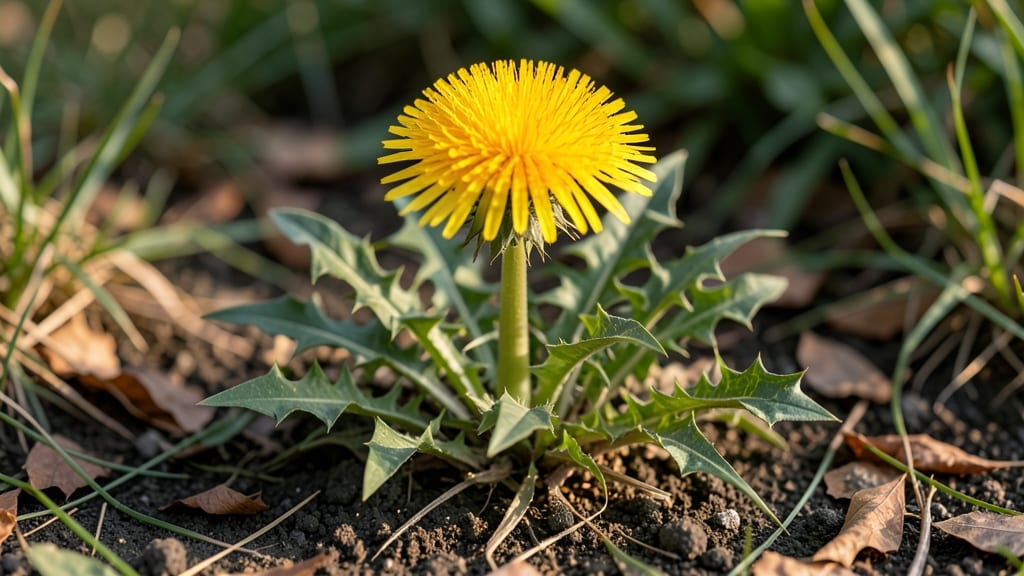
Those bright yellow-flowered lawn weeds popping up in your lawn aren't just pretty—they're stubborn dandelions that spread faster than you can pull them. 🌱 I've battled them for years, and after trying everything from digging to chemical sprays, I found a foolproof organic combo that actually works: vinegar and salt.
The secret lies in the timing and technique, not brute force.
Most people give up because they don't realize dandelions have deep taproots—digging only brings more to the surface. This method kills the whole plant without toxic chemicals, and the best part?
You'll see results within 24 hours of application. We're talking zero more yellow blooms in your yard by next spring if you're consistent.
The process is simple: mix equal parts white vinegar, salt, and dish soap (just 1 gallon total), spray on sunny days, and let nature do the rest.
Your lawn stays green, the weeds disappear, and you avoid the chemical runoff that harms local ecosystems. Plus, the solution costs pennies compared to store-bought weed killers.
Here's where it gets interesting—this same method works for other yellow-flowered weeds like clover and chickweed. The key is patience: repeat treatments every 2-3 weeks until the weeds give up for good. Your neighbors will be asking for your secret when their lawns stay weed-free all summer.
Root Causes Of Lawn Invaders
Yellow-flowered weeds like dandelions don’t just pop up by accident—they thrive because of specific conditions in your lawn. Understanding these triggers is the first step to reclaiming your grass. Below, we break down the key reasons these persistent plants take over, backed by science and actionable insights.
Dandelions are nature’s way of telling you your soil is out of whack. They flourish in compacted, nutrient-poor, or alkaline soil because their deep taproots can access water and minerals that turfgrass struggles to reach. Here’s why this happens:
- Lack of organic matter: Healthy lawns need 2-5% organic material (like compost or decomposed leaves) to retain moisture and nutrients. Without it, grass roots weaken, leaving gaps for weeds.
- Over-fertilization with nitrogen: Too much nitrogen (common in fast-release fertilizers) promotes top growth in grass but starves roots of phosphorus and potassium—exactly what dandelions crave.
- pH imbalances: Dandelions prefer slightly alkaline soil (pH 6.5–7.5). If your lawn’s pH drifts above 7.0, grass struggles, while weeds like dandelions thrive.
- Clay or sandy soil: Both extremes compact easily (clay) or drain too quickly (sandy), creating stress for grass and ideal conditions for weed seeds.
💡 Pro Tip: Test your soil’s pH and nutrient levels with a DIY kit (or send a sample to a local extension office). Aim for a pH of 6.0–7.0 and amend with compost, peat moss, or sulfur to balance it.
Dandelions love moisture—but not the kind that comes from shallow, frequent watering. Here’s how watering habits create the perfect weed haven:
- Shallow watering: Grass roots need 6–8 inches of deep watering per week. If you water lightly (e.g., 10 minutes daily), roots stay near the surface, while dandelions send roots 12–15 inches deep to access hidden water.
- Overwatering: Soggy soil suffocates grass roots but feeds dandelions, which can survive in waterlogged conditions that kill turfgrass.
- Irregular watering: Skipping weeks then drowning the lawn creates stress cycles that weaken grass, while weeds bounce back faster.
- Poor drainage: Low spots or clay soil trap water, creating micro-climates where dandelions germinate in clusters.
🔥 Action Step: Adjust your watering to deep, infrequent sessions (1–1.5 inches per week). Use a soaker hose or rain gauge to monitor soil moisture. Fix drainage issues with sand top-dressing or French drains in problem areas.
Even well-intentioned lawn care can accidentally invite dandelions. These common errors create openings for weeds:
- Mowing too short: Grass below 2.5–3 inches blocks sunlight, stressing roots and leaving bare patches. Dandelions seize the opportunity.
- Skipping aeration: Compacted soil smothers grass roots but lets dandelions push through. Aerate once a year (spring or fall) to relieve compaction.
- Using herbicides improperly: Spot-treating weeds without pre-emergent leaves gaps where seeds land. Always apply pre-emergent in early spring to block germination.
- Ignoring thatch buildup: A thatch layer thicker than ½ inch blocks water and nutrients. Dandelions exploit this barrier by growing through it.
🌡️ Seasonal Fix: In late summer, dethatch with a rake or vertical mower. In fall, overseed bare spots with shade-tolerant grass like fine fescue.
Grass under siege from pests or disease becomes an easy target for dandelions. Here’s how they exploit weak spots:
- Grub damage: Japanese beetle grubs devour grass roots in late summer, leaving brown patches. Dandelions fill these dead zones within weeks.
- Fungal infections (e.g., brown patch, dollar spot): These create thin, stressed turf where weed seeds germinate rapidly.
- Deer or animal trampling: Heavy foot traffic compresses soil and uproots grass, while dandelions bounce back from disturbance.
🎯 Prevention Tip: Treat grub infestations with beneficial nematodes (like Heterorhabditis bacteriophora) in late summer. For fungal issues, apply copper fungicide in damp conditions.
Dandelions are opportunistic survivors that capitalize on nature’s cycle of renewal. Here’s how they exploit it:
- Empty lawn gaps: Even small bare spots (from pet urine, construction, or foot traffic) become seed traps. A single dandelion can produce 100+ seeds per plant!
- Wind & animal dispersal: Dandelion seeds travel up to 5 miles on wind currents or hitchhike on pets, shoes, and tools.
- Self-seeding cycle: Once established, dandelions reproduce asexually, meaning they don’t even need pollination to spread.
🔪 Radical Solution: Remove all dandelion flowers before they seed (hand-pull or mow frequently). For stubborn patches, smother with cardboard + mulch to block sunlight.
Eliminate Yellow Blooms Naturally
Those cheerful yellow flowered lawn weeds—likely dandelions—may seem harmless, but they can quickly take over your yard if left unchecked. The good news? You don’t need harsh chemicals to banish them.
Below, we break down targeted solutions based on the root cause of your weed problem, from soil health to seasonal growth patterns. Each method is practical, eco-friendly, and designed to work without breaking the bank or your back.
If your lawn is already dotted with dandelions, act fast before they spread seeds. These weeds thrive in compacted or nutrient-deficient soil, so your first line of defense is pre-emption.
🍳 Immediate Removal: Vinegar & Salt Combo
Dandelions are shallow-rooted, making them vulnerable to natural herbicides. A homemade mix of vinegar, salt, and dish soap works like magic (but safely!).
- Mix: 1 gallon white vinegar (20% acetic acid) + 1 cup coarse salt + 1 tbsp dish soap (as a surfactant).
- Apply: Spray directly on leaves (avoid grass) on a sunny, wind-free day. The salt dehydrates the plant, while vinegar disrupts its cellular structure.
- Reapply: Every 3–5 days until yellowing fades. For stubborn roots, dig them out after treatment.
⚠️ Caution: Test a small area first—vinegar can harm nearby plants. Avoid using this on drought-stressed lawns (salt worsens dehydration).
🌱 Soil Fix: Aerate & Overseed
Dandelions love compacted soil. Loosen the turf with an aerator (rent or borrow one) to let air, water, and nutrients reach grass roots.
- Rake: Remove debris and pull up dandelions by the root.
- Overseed: Spread grass seed (choose a shade- or sun-tolerant variety) and top with compost.
- Water: Keep soil moist for 2–3 weeks to help new grass establish.
💡 Pro Tip: Add compost or a thin layer of mulch after aerating—it smothers weeds and feeds your lawn.
Once you’ve cleared the dandelions, keep them from returning with these low-maintenance habits:
🌡️ Mow High & Often
Dandelions hate competition. Set your mower to 3–4 inches to shade out weeds and encourage deep grass roots. Mow weekly during growing seasons to prevent seed heads from forming.
🎯 Weed Barrier for Bare Spots
For high-traffic or thin areas, lay down landscape fabric before adding mulch or new grass. This blocks sunlight, preventing dandelion seeds from germinating.
✨ Natural Deterrents
- Corn Gluten Meal: Sprinkle in early spring (before weeds sprout) to inhibit seed germination. Reapply annually.
- Bees & Beneficial Insects: Plant clover or wildflowers nearby—dandelions attract pollinators, but these plants outcompete them over time.
Dandelions germinate in early spring and go dormant in fall. Time your treatments for maximum impact:
| Season | Action | Why It Works |
|---|---|---|
| Spring (March–May) | Pull weeds + overseed | Grass grows fast, outcompeting dandelions. |
| Summer (June–August) | Vinegar/salt spray (early morning) | Heat intensifies herbicide effectiveness. |
| Fall (September–November) | Aerate + fertilize | Strengthens lawn for winter resilience. |
With consistency, your lawn can go from yellow flowered eyesore to a lush, weed-free paradise. Start with one method, observe results, and adjust as needed. Happy gardening! 🌿
Frequently asked questions
What are the most common yellow-flowered weeds in lawns?
Dandelions are the most notorious, but you might also spot clover (with its trifoliate leaves), chickweed (smaller flowers, often in clusters), or plantain (broad leaves with yellow-green blooms). Each thrives in different soil conditions—dandelions love compacted areas, while clover prefers nitrogen-rich spots.
Why do these weeds keep coming back even after I pull them?
Dandelions and similar weeds have deep taproots (up to 15 inches) that store nutrients, and even tiny root fragments can regrow. Plus, one mature dandelion produces 100+ seeds that can lie dormant for years! The key is removing the entire root and preventing seed dispersal before they bloom.
Is vinegar safe to use around pets or children?
While vinegar is non-toxic when dry, the salt in the mix can irritate pet paws or harm beneficial soil microbes. Wait 24–48 hours after application before letting pets back on treated areas. For pet-friendly lawns, opt for corn gluten meal (applied in early spring) or manual removal instead.
How long does it take to see results with natural weed killers?
You’ll notice wilting within 24–48 hours of applying vinegar/salt, but complete death takes 1–2 weeks. For stubborn weeds, reapply every 3–5 days until the foliage turns brown. Prevention (like overseeding) is faster—healthy grass crowds out weeds within 6–8 weeks of proper care.
Can I use this method on my vegetable garden?
No—vinegar and salt are too harsh for edible plants. For garden beds, use boiling water (pour directly on weeds) or mulch heavily with straw or cardboard. Always spot-treat weeds carefully to avoid damaging nearby crops.