
Pruning
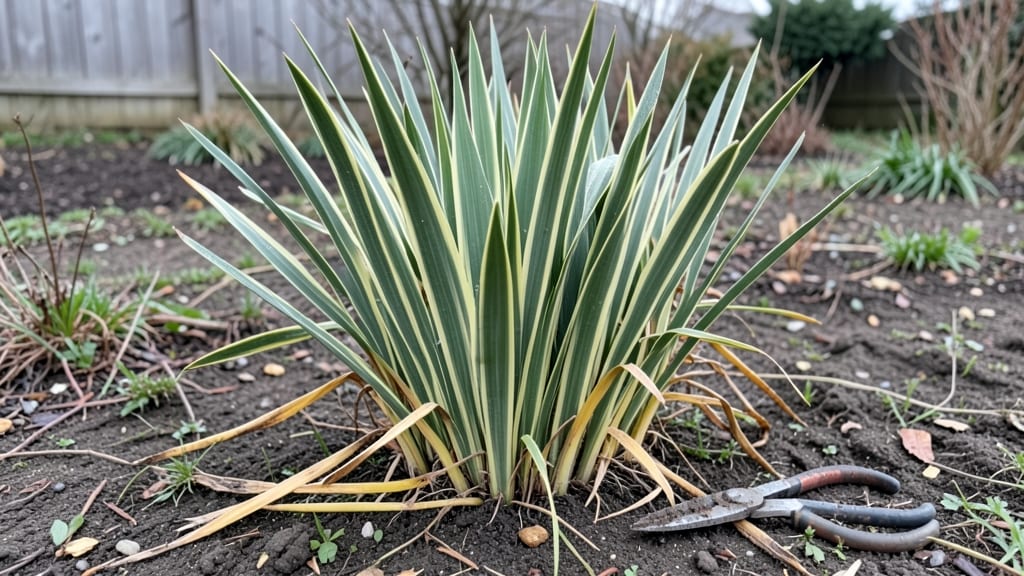
Zebra grass pruning transforms your clumps from scraggly to showstopping within one season—if you time it right. ✨ I’ve watched this striking ornamental grass go from dull to dramatic just by cutting back at the perfect moment, and the secret isn’t complicated: sharp tools, the right season, and a little patience.
The best time to prune is late winter or early spring, just as new growth begins pushing through the soil. Grab your honed loppers or hedge shears and cut back the previous year’s stems to about 4-6 inches above the ground.
This encourages fresh, vibrant striped foliage to emerge faster and keeps the plant’s signature bold patterns crisp and defined.
After pruning, your zebra grass will reward you with velvety new shoots by late spring, their golden-yellow stripes standing out against fresh green. The plant stays more compact, resists flopping in summer heat, and even blooms better—those feathery plumes in fall become more dramatic when you maintain the base properly.
Pro tip: Avoid pruning in fall, as the plant needs those old stems for winter protection. And never cut into the crown—just above it. With this simple routine, your zebra grass will look like it belongs in a botanical garden, not just your backyard.
📚 In This Guide
- What you need
- Instructions
- Tips and common mistakes
- Wrapping up and next steps
What you need
- ● Sharp pruning shears or hedge clippers: Choose bypass-style clippers (not anvil) for clean cuts. Opt for 8- to 12-inch blades for larger plants.
- ● Hand pruners or loppers: For thicker stems (up to 1-inch diameter), a bypass pruner with a 4- to 6-inch blade works best.
- ● Gloves: Wear cut-resistant, garden-grade gloves to protect your hands from sharp edges and thorns.
- ○ Pruning saw (optional but helpful): For thick, woody stems (over 1-inch thick), a curved-tooth pruning saw prevents tearing.
- ● Disinfectant (70% isopropyl alcohol or bleach solution): Clean tools between cuts to prevent disease spread (1 part bleach to 9 parts water).
- ● Trash bags or compost bin: Remove pruned debris immediately to keep your workspace tidy.
- ● Sturdy ladder or step stool: If your zebra grass reaches 6+ feet tall, you’ll need safe access to the top growth.
- ● Knee pads: For comfort if you’re kneeling or bending for low pruning.
- ● Pruning sealant: Apply to large cuts (over ½-inch) to prevent sap loss or pests.
- ● Garden twine or stakes: Temporarily secure tall stems if they’re flopping before pruning.
- ● Dust mask: Useful if your grass is very dusty or you’re pruning in dry conditions.
How to prune zebra grass for vibrant striped foliage
Here's the straightforward approach I use to keep zebra grass looking sharp and striped year-round.
🌿 Step 1: Choose the Right Time for Pruning
Prune zebra grass in early spring right after new growth appears—this is when the plant is most resilient. Avoid cutting back in late fall or winter since the plant needs foliage to protect its crown during dormancy. I always check for new shoots emerging from the base as my cue that it's time to prune.
The ideal timing is just before the plant enters its most active growth phase, usually when daytime temperatures consistently reach 60°F or higher. This ensures you're not removing the last of its protective foliage before winter or cutting too late into the growing season.
✂️ Step 2: Gather Your Tools and Prepare the Plant
Use sharp bypass pruners or clean, sterilized scissors to make precise cuts without crushing the stems. Never use dull tools—they tear foliage and invite disease. I also like to wear gloves to protect my hands from the plant's slightly rough edges.
Before cutting, remove any dead or yellowed leaves at the base. These don't contribute to the plant's health and can harbor pests. If your zebra grass has grown leggy, trim back the longest stems first to encourage bushier, more compact growth.
🌱 Step 3: Trim for Shape and Health
Cut back one-third of the plant's height at a time to maintain its natural shape. For zebra grass, I like to keep the foliage slightly taller than the surrounding plants in the landscape—this helps the bold stripes stand out. Always make cuts just above a leaf node to encourage new growth from that point.
If your zebra grass has become overgrown, don't panic—you can trim it back gradually over two to three sessions spaced a week apart. This prevents shock and gives the plant time to recover between cuts. Watch for new growth emerging from the base within 7-10 days after pruning.
💧 Step 4: Post-Pruning Care for Recovery
Water the plant deeply right after pruning to help it recover. Zebra grass is drought-tolerant once established, but fresh cuts need moisture to heal properly. I give it about 1 gallon of water per pruning session, focusing on the base where new growth will emerge.
After watering, avoid fertilizing for 4-6 weeks. The plant needs time to establish new roots and foliage before benefiting from additional nutrients. You'll know it's recovering well when you see new striped leaves pushing through the base within 2-3 weeks.
☀️ Step 5: Maintain Through the Growing Season
Throughout the growing season, remove spent flower stalks as they appear to redirect the plant's energy into foliage growth. Zebra grass rarely produces flowers, but if it does, these can detract from the plant's bold appearance. I also do a quick light trim in late summer to tidy up any straggly growth before winter.
In fall, cut back any remaining foliage to about 2 inches above the ground. This helps protect the crown during cold months while still allowing some insulation. Avoid heavy pruning in fall—it removes the plant's natural winter protection.
Tips & tricks for perfect zebra grass pruning
These simple strategies will help you keep your zebra grass looking vibrant and healthy with minimal effort.
The Timing Secret: In Step 1, when you're waiting for those new shoots to appear, don't rush—patience pays off. The 60°F daytime temperature threshold is key. If your mornings are still chilly, wait a few more days. I've learned the hard way that pruning too early can stress the plant when it's still recovering from winter. The stripes won't be as bold if you cut back prematurely.
Tool Technique: Step 2 emphasizes sharp tools, but here's what nobody tells you—sterilize your pruners between plants. I use a 1:9 bleach-water solution to wipe them down after each zebra grass session. This prevents cross-contamination with any fungal spores that might be lurking on other plants in your garden. Your zebra grass will thank you with healthier, more vibrant stripes.
Gradual Trimming Strategy: For overgrown zebra grass in Step 3, I recommend spacing those two to three sessions about 10 days apart. This gives the plant time to adjust and prevents shock. After the first cut, monitor for new growth at the base—this is your sign the plant is recovering well. If you see new striped leaves appearing within 7-10 days, you're on the right track.
Seasonal Maintenance: When you're doing that light trim in late summer (Step 5), focus on removing only the very tips of the longest stems. This keeps the plant tidy without removing too much foliage. I like to do this on a dry day when the grass is fully hydrated—it makes for cleaner cuts and less stress on the plant. The stripes will stay more vibrant when you're not removing too much leaf surface area.
Pro Tips for Zebra Grass Pruning
- These simple strategies will help you keep your zebra grass looking vibrant and healthy with minimal effort.
- The Timing Secret: In Step 1, when you're waiting for those new shoots to appear, don't rush—patience pays off.
- Tool Technique: Step 2 emphasizes sharp tools, but here's what nobody tells you—sterilize your pruners between plants.
Frequently asked questions
Got questions about keeping your zebra grass looking sharp and striped? You’re not alone! Here are some of the most common queries—plus straightforward answers to keep your lawn or garden thriving.
When is the best time to prune zebra grass for those bold stripes?
The ideal time is late spring or early summer (after the grass has fully greened but before extreme heat). For a second cut, wait until late summer or early fall—just avoid pruning during frost or drought. Think of it like giving your grass a stylish haircut after it’s grown in for the season!
How short can I cut zebra grass without damaging it?
Never cut more than one-third of the blade height at once. For most zebra grass varieties, aim for 2–3 inches tall after pruning. Over-trimming stresses the plant and can dull those signature stripes. If you’re unsure, err on the side of leaving it a little longer—your grass will thank you!
What if my zebra grass loses its stripes after pruning?
Stripe loss usually happens from uneven cutting, poor sunlight, or over-fertilizing. Use sharp clippers and mow in the same direction each time to maintain uniformity. Also, ensure it gets full sun (6+ hours/day)—striped grass loves to soak up those rays!
Can I use regular lawnmowers for zebra grass, or do I need special tools?
You can use a sharp, high-quality rotary or reel mower, but avoid dull blades—they tear the grass instead of cleanly cutting it. For precision (like edging), hand shears or a string trimmer work great. Just never let the grass get too long between cuts!
What should I do if my zebra grass turns brown or crispy after pruning?
Brown patches often mean heat stress, underwatering, or over-pruning. Water deeply 1–2 times per week (more in extreme heat) and avoid cutting during peak sun. If it’s just the tips, it might just need a trim—your grass is tougher than it looks!
Wrapping up and next steps
Mastering zebra grass pruning is your ticket to lush, striped foliage that turns heads! 🌿 With the right tools—like sharp clippers—and timing, you’ll keep your grass healthy and vibrant. Remember, consistency is key, whether you’re shaping it into a bold design or maintaining its natural beauty.
Ready to see your zebra grass thrive? Grab those clippers and schedule your next pruning session—your garden (and neighbors!) will thank you. Happy trimming! ✂️