
Fertilization
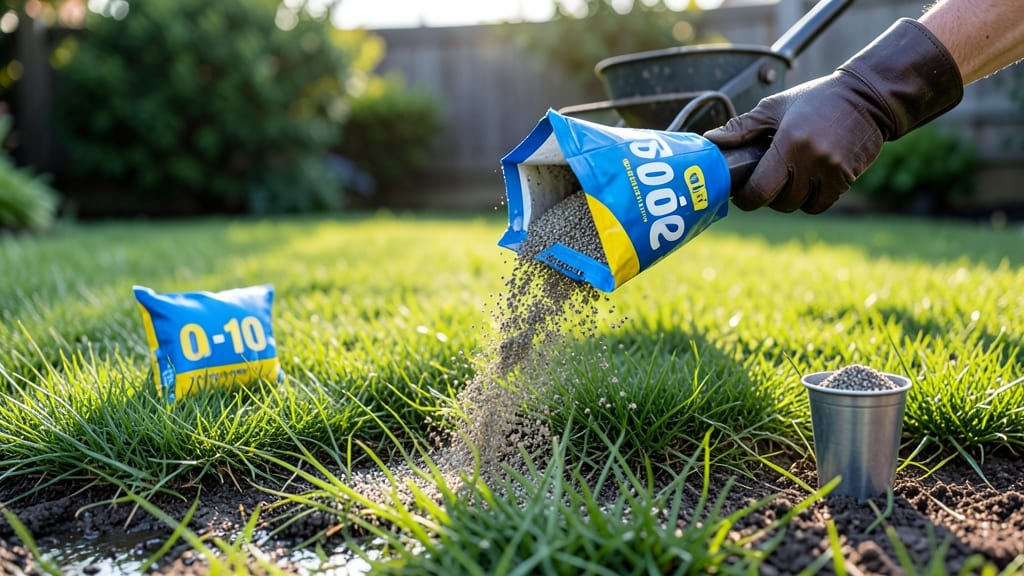
A 20-0-10 lawn fertilizer provides a nitrogen-heavy blend for fast green-up, eliminates phosphorus for eco-friendly turf growth, and includes potassium to strengthen roots. Use it in early spring or fall to avoid summer stress and winter dormancy.
A 20-0-10 lawn fertilizer is perfect for lawns that need a quick nitrogen boost without phosphorus buildup. 🌱 The high nitrogen (20) promotes lush, leafy growth, while the zero phosphorus makes it ideal for non-legume grasses and environmentally conscious users.
Potassium (10) helps grass recover from drought and disease stress. Unlike balanced fertilizers like 10-10-10, this ratio prioritizes top growth over root development, which is why it works best for cool-season grasses in early spring or fall.
For best results, apply when temperatures are moderate—never in scorching summer heat or freezing winter months. I recommend using a spreader for even coverage and watering lightly afterward to help the granules settle into the soil.
Overapplication can burn grass, so always follow package instructions and avoid fertilizing before heavy rains.
💡 In This Article
- Understanding the 20-0-10 Fertilizer Ratio for Grass Health
- Step-by-Step Guide to Applying 20-0-10 Lawn Fertilizer
Understanding the 20-0-10 fertilizer ratio for grass health
The 20-0-10 ratio is specifically designed to prioritize nitrogen while eliminating phosphorus and including moderate potassium. Here's what each number means for your lawn: The 20% nitrogen is the star of this formula, responsible for that vibrant green color and rapid leaf growth.
Unlike phosphorus, which is unnecessary for non-legume grasses and can cause environmental harm by promoting algae blooms in waterways, this fertilizer skips the 0% phosphorus entirely. The 10% potassium acts like a support system, helping grass cells maintain proper water balance and resist disease.
Nitrogen works through two main pathways in grass: It's converted into amino acids that build proteins for leaf growth, and it helps chlorophyll production for photosynthesis.
The high nitrogen content in 20-0-10 makes it particularly effective for cool-season grasses like Kentucky bluegrass and fescue, which need that extra push in early spring to break dormancy. Warm-season grasses like Bermuda can also benefit, but they typically prefer slightly lower nitrogen ratios.
The potassium component helps regulate these processes at a cellular level, similar to how electrolytes work in human cells to maintain balance.
What makes this ratio unique compared to balanced fertilizers like 10-10-10 is its focus on immediate, visible results rather than long-term soil building. The nitrogen in 20-0-10 can be either quick-release (fast-acting but short-lived) or slow-release (gradual but longer-lasting).
Quick-release nitrogen provides that instant green-up you see after application, while slow-release varieties provide steady nourishment over several weeks. For most home lawns, a blend of both types is ideal—think of it like having both a fast-acting pain reliever and a longer-term treatment for an injury.
Here's how the numbers break down in practical terms: For every pound of 20-0-10 fertilizer you apply, about 0.2 pounds is nitrogen (20%), none is phosphorus (0%), and 0.1 pounds is potassium (10%).
This means you'll need roughly 5 pounds of this fertilizer to deliver 1 pound of actual nitrogen to your lawn—much more efficient than using a lower-nitrogen fertilizer where you'd need to apply more total weight to get the same green-up effect.
The trade-off is that you'll need to reapply more frequently since there's no phosphorus to build soil structure over time.
Environmentally, the zero-phosphorus aspect is particularly important. Phosphorus runoff from lawn fertilizers contributes to harmful algal blooms in lakes and rivers, creating "dead zones" where aquatic life can't survive. By choosing a 20-0-10 formula, you're making a conscious decision to support your lawn's immediate needs without contributing to water pollution.
This is especially valuable in areas with clay soils that naturally hold onto phosphorus, preventing it from leaching into groundwater.
Consider this comparison: A 10-10-10 fertilizer would deliver equal parts of all three nutrients, which might be better for establishing new lawns or repairing damaged soil.
But for maintaining an established lawn with good soil health, the 20-0-10 ratio delivers that quick nitrogen boost your grass craves while being more environmentally responsible.
Think of it like choosing a high-protein meal when you need energy versus a balanced meal for overall nutrition—both have their place, but you choose based on what your body (or lawn) needs most at that moment.
For best results with this ratio, aim for applications every 6-8 weeks during the growing season. The high nitrogen content means your grass will show visible improvement within 7-14 days after application, but you'll need to maintain that cycle to keep your lawn looking its best.
The potassium component means your grass will also be better equipped to handle occasional drought stress or recover from minor disease pressure, making your lawn more resilient overall.