
Pests and Diseases
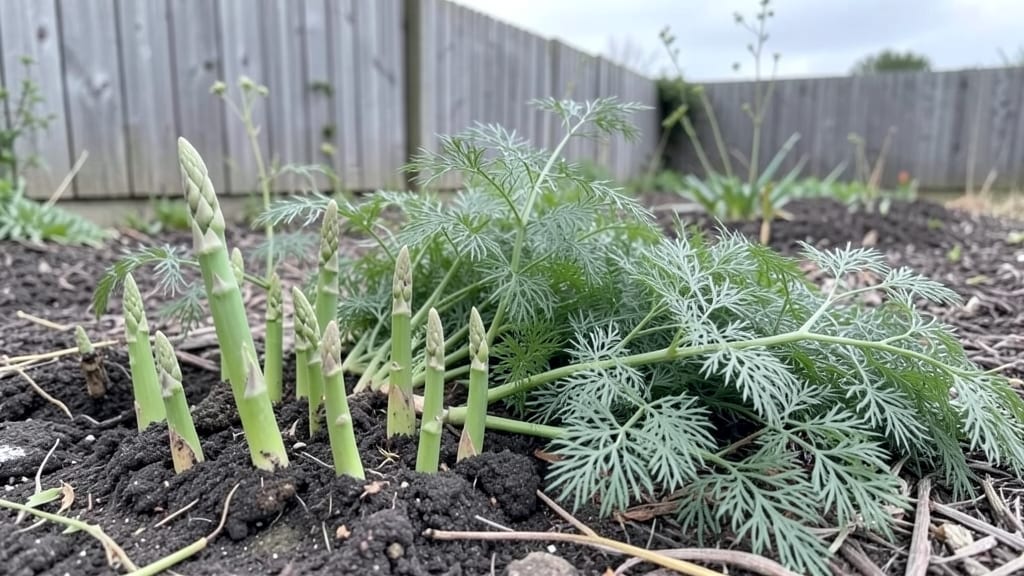
When asparagus grass weed invades your garden, it’s easy to mistake it for the real deal—until you realize it’s choking your asparagus crowns. 🌱 I’ve wrestled with this stubborn invader for years, and I’ve learned the telltale signs: the grassy, clumping growth with hollow stems that spread faster than your asparagus can recover.
The good news? You can outsmart it without harsh chemicals or losing your harvest.
The key is acting fast before it smothers your asparagus beds. Pulling by hand works for small patches, but for larger infestations, a vinegar-based spray (3 parts water, 1 part vinegar, a splash of dish soap) kills the weed on contact while preserving your asparagus roots.
Timing matters too—apply it on a warm, sunny day when the weed is actively growing, not when your asparagus is sending up spears.
You’ll see results within 7-10 days as the grass turns brown and crispy, leaving your asparagus free to thrive. The real secret, though, is prevention: mulch heavily with straw or wood chips to block light, and plant asparagus in raised beds for better drainage and easier weed control.
Once you’ve got the upper hand, maintaining a consistent mulch layer keeps the weeds at bay for years.
This method works for both new and established gardens, whether you’re dealing with a small backyard patch or a larger plot. The best part? Your asparagus won’t just survive—it’ll reward you with thicker, healthier spears come harvest season. Let’s get those weeds out for good.
Root Causes Of Stubborn Weeds
When asparagus grass weed (often Dactyloctenium aegyptium) takes over your garden, it’s rarely random—it’s a response to specific conditions you may not even realize you’re creating.
Understanding why it thrives helps you tackle it at the source. Below are the key reasons these weeds become a nuisance, backed by science and practical insights.
🌱 Poor soil conditions create a weed haven
Weeds like asparagus grass flourish in soil that’s either too compacted, nutrient-poor, or overly moist. Here’s why:
- Compacted Soil: Heavy foot traffic, machinery, or clay-heavy soil compresses the earth, making it harder for desirable plants to grow but easier for weeds. Compacted soil also restricts water drainage, creating pockets where asparagus grass seeds germinate and spread.
- Low Organic Matter: Soil lacking compost or organic material struggles to retain moisture and nutrients. Weeds like asparagus grass have shallow roots and adapt quickly to these conditions, outcompeting slower-growing garden plants.
- Imbalanced pH: Asparagus grass prefers slightly acidic to neutral soil (pH 6.0–7.5). If your garden soil is too alkaline (high pH), it can stress your plants while leaving weeds unharmed.
Actionable Fix: Test your soil’s pH and compaction levels. Amend with compost, sand (for drainage), or sulfur (to lower pH) to create an environment where weeds struggle to take hold.
💧 Overwatering or irregular watering patterns
Watering habits play a huge role in weed proliferation. Asparagus grass thrives in:
- Consistently Damp Soil: Unlike drought-tolerant garden plants, this weed loves moisture. Overwatering or poor drainage keeps the topsoil soggy, giving weeds a head start.
- Irregular Watering: Skipping watering sessions or using sprinklers that create uneven moisture zones leaves some areas parched while others stay wet—perfect for weed seeds to germinate.
- Frequent Light Watering: Short, shallow waterings encourage weeds to grow rapidly above ground while weakening your plants’ root systems.
Actionable Fix: Water deeply but infrequently (1–2 inches per week) and aim for the base of plants, not the leaves. Use drip irrigation or soaker hoses to minimize weed-friendly moisture conditions.
🌿 Disturbed or bare soil invites weeds
Asparagus grass spreads aggressively in disturbed soil, whether from:
- Tilling: Tilling aerates the soil but also buries weed seeds deeper, where they can lie dormant before sprouting. It also exposes fresh soil to sunlight, triggering germination.
- Poor Mulching Practices: Mulch is great, but if it’s too thin or patchy, weeds sneak in. Organic mulch breaks down over time, creating gaps that weeds exploit.
- Empty Garden Beds: Bare soil between plants or in unused areas becomes a breeding ground for weeds, including asparagus grass.
Actionable Fix: Use thick mulch (2–4 inches) with wood chips or straw, and avoid tilling. For bare spots, plant cover crops like clover or rye to outcompete weeds naturally.
🌱 Seed spread through wind, water, and wildlife
Asparagus grass doesn’t just pop up—it hitchhikes into your garden through:
- Wind and Water: Its tiny, light seeds travel easily on breezes or rain, landing in cracks in pavement, sidewalks, or garden edges.
- Animals and Tools: Birds, squirrels, and even your lawnmower blades can carry seeds from one area to another. Contaminated soil or compost from elsewhere can also introduce them.
- Human Activity: Walking barefoot, sharing gardening tools, or moving topsoil from infested areas spreads seeds unintentionally.
Actionable Fix: Inspect new soil or compost for weeds before adding it to your garden. Clean tools with a bleach solution (1 part bleach to 9 parts water) between uses, and avoid walking on wet soil to prevent seed dispersal.
By addressing these root causes, you’re not just treating the weeds—you’re making your garden a less welcoming place for them to return. The key is consistency: healthy soil, smart watering, and proactive maintenance.
How to solve it
Tackling asparagus grass weed (or any invasive grassy invader) doesn’t have to mean resorting to harsh chemicals that harm your garden’s delicate ecosystem. With the right tools and techniques, you can reclaim your garden naturally, safely, and effectively.
Below, we’ve mapped out targeted solutions based on the root causes of your weed problem—from overgrowth to stubborn root systems—along with proactive prevention tips to keep your garden weed-free long-term.
###
🌱 Hand-Pulling for Small, Early Infestations
If you catch asparagus grass weed in its early stages, your hands (and a little elbow grease) can be your best tools. This method works best in moist soil, which makes weeds easier to uproot.
- 🔥 Step 1: Water the Area – Soak the soil 1-2 days before pulling to loosen the roots. Aim for 1-2 inches of water penetration.
- 👨🍳 Step 2: Grasp and Twist – Use a pair of gardening gloves to grip the weed at the base, just below the soil line. Twist firmly while pulling upward to avoid breaking the plant (which can leave roots behind).
- 🔪 Step 3: Inspect for Remnants – Check the hole for any leftover root fragments. Even small pieces can regrow, so dig deeper if needed.
- ⏰ Step 4: Repeat Weekly – Weeds like asparagus grass spread quickly. Monitor the area and pull new sprouts before they mature.
💡 Pro Tip: Pull weeds when the soil is damp but not soggy—early morning or late afternoon works best. Avoid pulling after rain, as the soil may be too loose, making it harder to grip the roots.
###
🌡️ Heat or Boiling Water for Dense Patches
For areas where weeds are thick or tightly packed, heat can be a game-changer. Boiling water kills weeds by denaturing their cellular structure, but it’s most effective on young, actively growing plants.
- 🔥 Step 1: Boil Water – Fill a large pot or kettle with water and bring it to a rolling boil.
- 🍳 Step 2: Target the Weeds – Carefully pour the boiling water directly over the asparagus grass, ensuring the entire plant (including roots) is covered. Aim for at least 1 cup per weed.
- ⏰ Step 3: Wait and Repeat – Allow the area to cool for a few hours, then check for any surviving weeds. Repeat the process if necessary, especially for stubborn patches.
- ⚠️ Caution: Avoid using this method near desirable plants, as the heat can damage them too. Test a small area first.
💡 Pro Tip: Combine this method with a layer of mulch (like straw or wood chips) after treating to suppress regrowth and retain moisture for your desired plants.
###
🎯 Natural Herbicides for Stubborn Roots
If hand-pulling and heat aren’t enough, natural herbicides can help break down weed roots without introducing synthetic chemicals. Vinegar, salt, and dish soap are a potent trio for tough invaders like asparagus grass.
| Ingredient | Purpose | How to Use |
|---|---|---|
| White Vinegar (20% acidity) | Kills weeds by disrupting their cell membranes | Mix 1 gallon of vinegar with 1 cup of dish soap. Spray directly on weeds (avoid desirable plants). Reapply every 2-3 days until weeds die. |
| Salt | Draws moisture out of weed roots, causing dehydration | Dissolve 2 cups of salt in 1 gallon of water. Spray on weeds, focusing on the base. Avoid overusing—salt can harm soil fertility over time. |
| Dish Soap | Acts as a surfactant to help the solution stick to weed leaves | Add 1 tbsp of dish soap to any homemade herbicide mix to improve coverage. |
💡 Pro Tip: For best results, apply these mixtures on a sunny day when weeds are actively growing. Cover the area with cardboard or newspaper for 24 hours after treatment to enhance effectiveness.
###
🌱 Prevention Tips to Keep Weeds at Bay
The key to long-term success is stopping weeds before they start. Here’s how to create a weed-resistant garden:
- 🌿 Mulch Regularly – Apply a 2-3 inch layer of organic mulch (like straw, wood chips, or grass clippings) around your plants. Mulch blocks sunlight, preventing weed seeds from germinating.
- 🌱 Plant Dense Ground Covers – Choose fast-growing, low-maintenance plants like clover, creeping thyme, or moss to outcompete weeds for space and nutrients.
- 💧 Water Deeply and Infrequently – Weeds thrive in shallow, frequent watering. Water your garden deeply 1-2 times per week to encourage deep root growth in your plants while starving weeds.
- 🌱 Solarize the Soil – In hot climates, cover weed-infested soil with clear plastic for 4-6 weeks during peak summer. The trapped heat will kill weed seeds and roots.
- 🔍 Inspect New Plants – Before adding new plants to your garden, check them for hidden weed seeds or roots. Rinse potted plants thoroughly to remove soil clinging to roots.
✨ Bonus Tip: Encourage beneficial insects like ladybugs and ground beetles, which feed on weed seeds and young sprouts. Planting marigolds or alyssum can attract these natural allies.
Frequently asked questions
How can I tell if the grassy growth in my asparagus bed is actually asparagus or a weed?
Look for hollow stems and clumping growth—these are classic signs of asparagus grass weed. True asparagus has thick, fleshy stems that grow upright from the crown, while this weed forms dense, grass-like clusters. Check the base: asparagus roots are thick and woody, while the weed's roots are fibrous and shallow.
Will vinegar-based sprays harm my asparagus plants if I accidentally spray them?
Yes, vinegar can damage asparagus foliage, so always spray only the weeds and avoid contact with your asparagus. For safety, apply the spray on a calm day and use a shield (like cardboard) to protect nearby plants. Water the asparagus bed afterward to rinse any stray spray.
How often should I check for regrowth after treating asparagus grass weed?
Monitor your garden weekly for the first month, then every 2-3 weeks afterward. Weed seeds can lie dormant and sprout unexpectedly, especially after rain. Pull new shoots immediately—they’re easier to remove when young.
Can I use corn gluten meal to prevent asparagus grass weed from returning?
Corn gluten meal is a natural pre-emergent herbicide that blocks weed seeds from germinating. Apply 20 pounds per 1,000 sq ft in early spring before weeds sprout. It’s safe for asparagus once established but won’t kill existing weeds—combine it with hand-pulling for best results.
Why does asparagus grass weed keep coming back even after I remove it?
This weed spreads via wind-blown seeds and fragments, so even small root pieces can regrow. The solution? After pulling, cover the area with cardboard or thick mulch to block light and prevent new seeds from sprouting. Consistency is key—keep the soil healthy and compacted to discourage regrowth.