
Plants
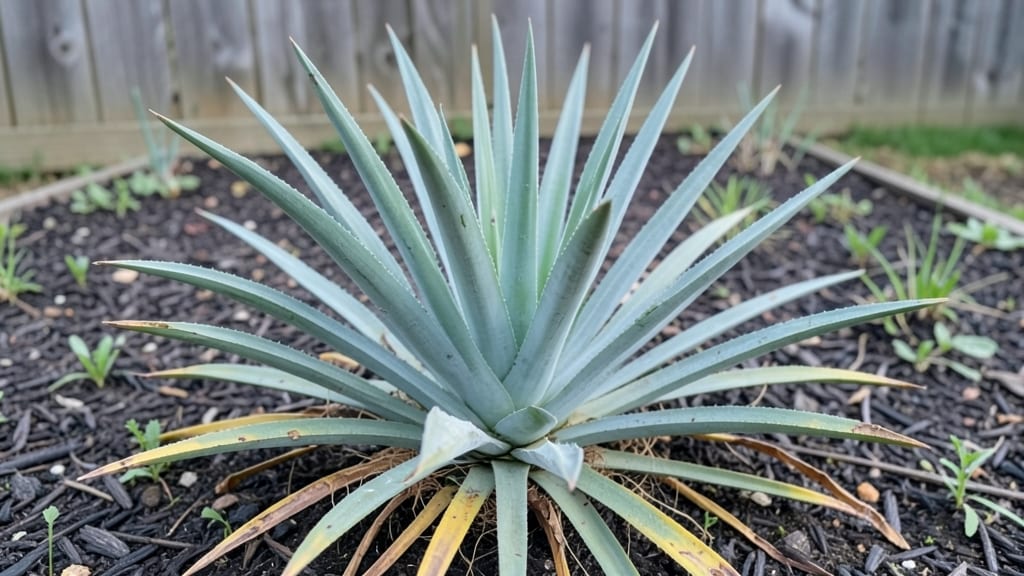
Growing bear grass in Arizona 🌿 is the easiest way to add drama to your yard without the fuss of high-maintenance plants.
Arizona’s scorching summers and unpredictable rains demand plants that thrive without constant watering—and bear grass delivers with striking beauty and resilience. This drought-tolerant native perennial isn’t just hardy; it’s a showstopper for desert landscapes, offering architectural spikes and golden blooms that elevate any xeriscape design.
If you’ve ever struggled to keep plants alive in the 110°F heat, you’ll love how bear grass thrives on neglect. It’s not true grass at all—it’s a succulent-like perennial that stores water in its leaves, making it the perfect low-water, low-effort choice for Arizona gardens.
In this guide, I’ll walk you through everything from planting in USDA Zone 9b to caring for it year-round, so you can enjoy its striking looks with almost no work.
Best bear grass varieties for Arizona’s climate and soil
Arizona’s desert landscapes demand plants that thrive on neglect while adding textural drama. Bear grass (Nolina spp.) fits perfectly, offering architectural foliage and seasonal blooms with minimal care.
These drought-proof natives adapt to Arizona’s elevation zones—from low deserts to high Sonoran foothills—and flourish in well-draining soils that range from rocky to sandy. Whether you’re designing a xeriscape or filling a rock garden, choosing the right variety ensures year-round interest.
Not all bear grass performs equally in Arizona’s extreme heat and low humidity. Some varieties, like Nolina microcarpa, handle low desert climates with ease, while others, such as Nolina parryi, thrive at higher elevations where nights are cooler.
Below, I’ve compared the top 3 varieties for Arizona gardens, highlighting their growth habits, water needs, and unique foliage to help you pick the perfect fit for your landscape.
⚠️ PRO TIP: Bear grass isn’t true grass—it’s a succulent-like perennial in the Agavaceae family. This means it stores water in its thick leaves, making it exceptionally drought-tolerant once established.
🌱 QUICK COMPARISON: All Nolina varieties share low-maintenance traits, but their mature heights, foliage textures, and bloom cycles vary. For example, Nolina greenei boasts blue-green rosettes and tall flower spikes, while Nolina microcarpa stays compact with silvery-blue leaves. Your choice depends on your design goals—whether you prioritize height, color contrast, or wildflower appeal.
Nolina microcarpa is my top pick for low-desert gardens due to its compact size and silvery-blue foliage, which contrasts beautifully with red-tinted rocks or agave. It’s also the most drought-tolerant of the three, making it ideal for water-wise landscapes. Plant it in well-draining soil and expect golden flower spikes in summer that attract hummingbirds and native bees.
If you’re gardening in Arizona’s high desert (e.g., Flagstaff or Sedona), Nolina parryi is the best choice. This variety handles cooler nights and <
How to plant and care for bear grass in drought conditions
Planting bear grass (Nolina spp.) in Arizona is simpler than you think, but the key is mimicking its natural desert habitat. Start by selecting a sun-drenched spot with well-draining soil—this plant despises soggy roots, which can lead to rot.
If your soil is heavy clay, amend it with coarse sand or gravel to improve drainage. Bear grass thrives in full sun (6+ hours daily), so avoid shady corners where it’ll stretch and weaken.
Timing matters too. The best planting window is late fall or early winter (December–February), when temperatures are mild and rains are more reliable. This gives roots time to establish before the brutal summer heat.
If you must plant in summer, do it at dawn or dusk to minimize stress on the transplant.
🚨 key takeaway 🚨
Top 3 Mistakes to Avoid
- Overwatering: Bear grass stores water in its leaves—drowning it causes root rot. Water only when soil is completely dry.
- Improper soil prep: Heavy clay or compacted soil suffocates roots. Always amend with gravel or sand for drainage.
- Planting in shade: Without full sun, bear grass grows leggy and loses its striking form. Choose the sunniest spot in your yard.
Pro Tip
Mulch with gravel (not organic mulch) to retain moisture while preventing soil compaction.
When planting, dig a hole twice as wide as the root ball but only as deep as the container’s base. This prevents burying the crown, which can trap moisture.
Space plants 2–3 feet apart to allow airflow and reduce competition. If using containers, ensure pots have drainage holes and use a cactus/succulent mix for optimal growth.
Watering is where bear grass shines—it’s drought-tolerant once established. For the first 2–3 weeks after planting, water deeply once a week to encourage root growth. After that, shift to a bi-weekly schedule in summer and monthly in winter, relying on natural rains when possible.
Always water at the base (not overhead) to avoid fungal issues.
Pruning is minimal but keeps your bear grass looking its best. Remove dead or damaged leaves in early spring to encourage new growth. If the plant develops long, unsightly flower stalks after blooming (they’re not harmful but can look messy), snip them at the base.
Avoid heavy pruning—bear grass thrives on its natural, architectural shape.
Pests are rarely an issue, but watch for scale insects or mealybugs, which can appear if the plant is stressed. Treat infestations by wiping leaves with a soapy water solution (1 tsp mild dish soap per quart of water).
For long-term health, avoid fertilizing—bear grass prefers low-nutrient soil and over-fertilizing can harm it.
With these simple steps, your bear grass will flourish in Arizona’s harsh climate, adding year-round structure and texture to your landscape with almost no effort. Once established, it’s truly a "plant and forget" star for desert gardens! 🌵