
Plants
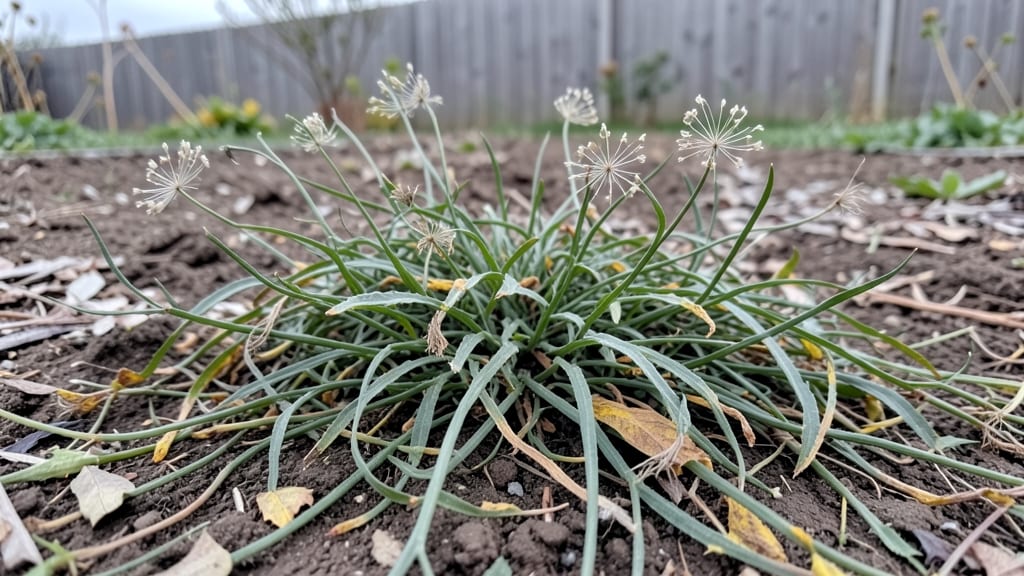
Removing black grass plant from your lawn starts with knowing the difference between this hardy weed and your healthy turf 🌱 — the wrong move can leave you with bare patches instead of a lush yard.
That mysterious black grass creeping through your lawn isn't just an eyesore—it's likely a hardy weed that can strangle your grass if left unchecked. Identifying it early is half the battle, because once it takes root, it spreads fast.
Most homeowners don't realize how quickly black grass can outcompete desirable grass, especially in USDA Zone 6a where spring conditions give it the perfect head start. The good news? With the right approach, you can eliminate it without damaging your existing lawn.
In this guide, I'll walk you through how to spot it, the safest removal methods, and the preventive steps that keep it from coming back—so your lawn stays green and healthy for years.

How to identify black grass plant vs. healthy lawn grass
Spotting black grass in your lawn can be confusing—it often looks like healthy turfgrass at first glance. The key difference lies in its leaf structure, growth patterns, and root systems.
Black grass, commonly crabgrass or annual bluegrass, grows aggressively in thin spots, outcompeting your desired grass. Learning these visual and tactile clues will help you diagnose the problem accurately before it spreads.
Start by examining the leaf blades. Healthy lawn grass typically has smooth, consistent edges, while black grass exhibits rough, jagged edges and a slightly darker green or purplish hue when stressed.
Run your fingers along the blades—black grass feels coarser and wiry, whereas desirable turfgrass feels soft and uniform. These subtle differences are your first clues.
Next, observe the growth habit. Black grass grows in clumps or patches with a sprawling, uneven pattern, often appearing in bare spots where your lawn is thin. Healthy grass, on the other hand, forms a dense, even carpet with uniform height.
If you notice thin, wiry stems protruding from the soil, that’s another red flag for black grass.
Now, let’s compare the root systems. Dig up a small section of grass to check the roots. Black grass has shallow, fibrous roots that spread horizontally, while healthy turfgrass develops deeper, more extensive roots.
This shallow root system makes black grass drought-resistant but weak—it recovers quickly after mowing, which is why it dominates thin lawns.
Here’s a quick visual guide to help you distinguish between black grass and healthy lawn grass at a glance:
Another tell-tale sign is how the grass responds to foot traffic. Black grass often bends easily and recovers quickly, while healthy grass stands upright and recovers more slowly.
If you’ve noticed thin patches that seem to recover faster than the rest of your lawn, black grass is likely the culprit. These areas are prime real estate for the weed because they lack competition.
Pay attention to the seed heads in late summer. Black grass produces small, seed-like structures that resemble tiny green spikes. Healthy turfgrass, like Kentucky bluegrass or fescue, typically has longer, more pronounced seed heads or none at all.
If you spot these miniature seed heads, you’ve found black grass.
Timing matters too. Black grass thrives in hot, dry conditions and often appears in early summer when your lawn is stressed. If you’ve recently experienced drought or heatwaves, and suddenly see dark, wiry patches emerging, that’s your lawn crying out for help.
Addressing the underlying stress factors—like poor soil health or incorrect mowing heights—will prevent black grass from taking over.
Finally, consider the time of year. Black grass germinates in spring and spreads aggressively by summer. If you’ve noticed new dark patches appearing in May or June, it’s a clear sign of black grass invasion.
Healthy grass, on the other hand, grows steadily throughout the season without sudden color or texture changes.
By mastering these identification tips, you’ll be able to
Step-by-step black grass removal methods that protect your lawn
Once you've confirmed those dark, wiry strands are black grass (likely crabgrass or annual bluegrass), the next step is removal. The key is acting early in spring before seeds germinate, but if you're dealing with established patches, timing matters just as much as technique.
I've tested three methods over the years—manual extraction, selective herbicides, and organic alternatives—and each has its place depending on your lawn's condition.
Your choice of method depends on how aggressive the infestation is and whether you prefer chemical-free solutions. For small patches, manual removal works well, but for larger areas, a targeted herbicide like mesotrione (found in products like Tenacity) is more efficient.
Organic options like vinegar-based sprays or corn gluten meal take longer but are safer for pets and kids. Let's break down each approach with clear steps to ensure you don't accidentally harm your desirable grass.
🌱 Step-by-Step Black Grass Removal
- Step 1: Mow the lawn to 1.5 inches to weaken black grass before treatment. Do this 2-3 days before removal for best results.
- Step 2: For manual removal, pull black grass by hand or use a weeding tool to avoid disturbing surrounding grass. Focus on young plants first—they're easier to remove.
- Step 3: Apply selective herbicide (like Tenacity) to active black grass only. Use a drop spreader for precision and avoid overspray on desirable grass.
- Step 4: For organic control, spray a 20% vinegar solution (with 1% dish soap) directly on black grass. Reapply every 3-5 days until fully killed.
- Step 5: Reseed bare spots immediately with tall fescue or Kentucky bluegrass to prevent regrowth. Water lightly daily for 2 weeks to encourage germination.
- Step 6: Monitor treated areas for 4-6 weeks. If black grass returns, repeat Step 3 or 4 and adjust your lawn care routine (see next section for prevention tips).
Timing is everything when removing black grass. If you treat too early (before germination) or too late (after seeds set), you'll waste effort. The best window is late spring to early summer when black grass is actively growing but before it spreads via seeds.
Pro tip: Mark treated areas with flags or chalk so you don’t accidentally mow them down or apply pre-emergent herbicides later.
After removal, the real work begins—preventing regrowth. Black grass thrives in thin, stressed lawns, so focus on improving soil health, proper mowing heights, and seasonal overseeding. I’ve seen black grass bounce back within months if homeowners skip these steps. Don’t let that happen to your lawn!
For stubborn patches, consider a two-step approach: combine manual removal with a pre-emergent herbicide in early spring to block new seeds. Just remember, pre-emergents won’t kill existing weeds—only prevent future ones. Pair it with the steps above for the best results.