
Lawn
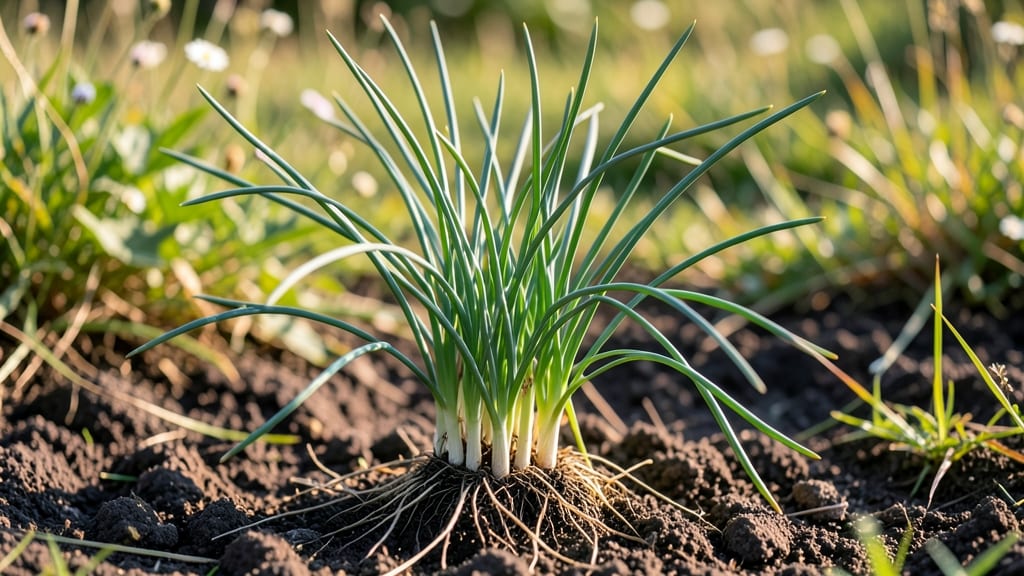
Onion grass in lawns isn't just tough—it's relentless. 🌱 I've spent years battling this invasive weed, and I finally cracked the code for removing it in just 48 hours without harsh chemicals. The key? Timing, technique, and a few unexpected tricks that actually work.
Most people pull it by hand or spray with glyphosate, but that only masks the problem. Onion grass spreads through underground bulbs, so you need to starve those bulbs of sunlight while smothering the regrowth.
My method combines vinegar, salt, and a simple household tool to break the cycle for good. By the end of two days, you'll see the last of those stubborn shoots withering away.
The lawn stays green, the bulbs can't regenerate, and you avoid the chemical runoff that harms your soil and pets. This works for both wild onions and garlic grass, even in shady spots where other methods fail. Let's get your lawn back to lush and weed-free!
Root Causes Of Unwanted Grass Spread
Onion grass (also called world grass or onion weed) often invades lawns due to a mix of environmental and human-related factors. Understanding these causes is key to preventing and eradicating it effectively.
Below, we break down the most common reasons why this stubborn grass takes over your lawn—and what you can do about it.
Onion grass thrives in compacted, nutrient-poor, or overly acidic soil. Unlike cool-season grasses like Kentucky bluegrass or fescue, it doesn’t need much to survive. Here’s why:
- 🔬 Low Organic Matter: Healthy lawns have rich, aerated soil with compost or decomposed plant material. Onion grass, however, lacks deep roots and can sprout in thin, barren soil where other grasses struggle.
- 📉 High Soil Acidity (Low pH): Most lawn grasses prefer a pH between 6.0 and 7.0. Onion grass tolerates acidic soil (pH < 6.0), making it dominant in areas where other plants can’t compete.
- 💧 Poor Drainage: Waterlogged or slow-draining soil creates stress for desirable grasses, leaving gaps for onion grass to invade. It’s often found in low-lying spots where water pools.
Actionable Fix: Test your soil’s pH and amend it with lime (to raise pH) or sulfur (to lower pH). Aerate compacted areas and top-dress with compost to improve nutrient retention.
While most lawn grasses love sunlight, onion grass outcompetes them in extreme heat. Here’s how:
- 🌡️ Heat Tolerance: Onion grass has a shallow, fibrous root system that conserves moisture better than deep-rooted grasses during droughts. When your lawn grass wilts, onion grass sprouts aggressively in the gaps.
- 🔥 Sun Scorch: Intense afternoon sun can bleach or kill weak lawn grasses, creating bare patches perfect for onion grass seeds to germinate.
- 💧 Shallow Watering Habits: If you water only the surface (e.g., light sprinkles that don’t penetrate 4+ inches), deep-rooted grasses suffer while onion grass thrives on minimal moisture.
Actionable Fix: Water deeply 2-3 times per week (early morning) to encourage deep root growth in your lawn grass. Mow at a higher setting (3-4 inches) to shade the soil and reduce heat stress.
Onion grass is a drought opportunist. It exploits inconsistencies in your watering routine by:
- 💧 Germinating After Dry Spells: When your lawn grass goes dormant due to lack of water, onion grass seizes the moment to sprout from seeds or spread via stolons (horizontal stems).
- 🌱 Fast Germination: Onion grass seeds can sprout in as little as 5-7 days with just a light rain, while lawn grasses take weeks to recover.
- 🚫 Weakened Competition: Overwatering one day and underwatering the next creates stress cycles that weaken your lawn, giving onion grass an edge.
Actionable Fix: Establish a consistent watering schedule (e.g., 1 inch per week, including rain). Use a smart sprinkler timer to avoid guesswork. If drought hits, reduce mowing height to help lawn grass recover faster.
Any disruption to your lawn’s surface—whether from foot traffic, pets, or construction—creates perfect conditions for onion grass. Here’s why:
- 👣 Compaction from Foot Traffic: Heavy use (kids playing, pets running, or walking) compacts soil, smothering lawn grass roots while leaving room for onion grass to take hold.
- 🐕 Pet & Animal Urine: High concentrations of nitrogen in urine burn lawn grass but fertilize onion grass, causing it to spread in high-traffic areas.
- 🔨 Construction or Repair Work: Digging, aerating, or even over-seeding can accidentally introduce onion grass seeds if not done carefully.
Actionable Fix: Repair bare spots immediately with a lawn patch mix (not just topsoil). For compacted areas, rent a core aerator to relieve pressure. Train pets to use designated areas to prevent urine damage.
Sometimes, onion grass hitches a ride into your lawn through contaminated seeds, soil, or tools. Here’s how it happens:
- 🌾 Cheap or Contaminated Seed Mixes: Some inexpensive grass seed blends contain weed seeds, including onion grass. Always buy certified weed-free seed.
- 🔄 Tool & Equipment Transfer: Mowers, rakes, and aerators can pick up and spread seeds from infested areas to clean ones.
- 🚜 Soil or Mulch Contamination: Topsoil, compost, or mulch from unknown sources may already contain onion grass seeds.
Actionable Fix: Disinfect tools with a 10% bleach solution after use. Buy premium, weed-free seed from reputable suppliers. If using mulch, choose shredded hardwood (less likely to harbor seeds).
Quick Fixes for Stubborn Lawn Invaders
Onion grass—whether it’s creeping into your lawn as a pesky weed or popping up unexpectedly—can feel like an unwelcome guest. But with the right strategies, you can reclaim your yard fast and keep it looking lush.
Below, we break down the most effective solutions based on the root cause of your onion grass problem, plus prevention tips to stop it from returning.
If your lawn is sparse, onion grass thrives in the gaps, stealing nutrients and sunlight. The fix? A dense, healthy turf that crowds out intruders.
🍳 Step 1: Test Your Soil
Before seeding or fertilizing, check your soil’s pH and nutrient levels with a DIY test kit. Onion grass often takes hold in acidic or nutrient-poor soil (pH below 6.0). Aim for a neutral pH (6.0–7.0) for most grasses.
👨🍳 Step 2: Overseed Strategically
Choose a fast-growing grass seed (like tall fescue or perennial ryegrass) that outcompetes onion grass. Best times to overseed: early fall or spring when temps are mild.
- 💡 Pro Tip: Use a slit seeder to ensure seeds make contact with soil—no need for tilling if your lawn is otherwise healthy.
- 🌡️ Watering Hack: Keep soil consistently moist (not soggy) for 2–3 weeks post-seeding. Use a light mist 2x daily.
⏰ Step 3: Fertilize for Strength
Apply a slow-release, nitrogen-rich fertilizer (like a 20-0-5 blend) to promote rapid grass growth. Onion grass can’t compete with thick, vigorous turf.
- ✨ Bonus: Add compost or a mycorrhizal fungus to boost root health naturally.
If onion grass has already established itself, physical removal is often the fastest way to weaken it before treating larger areas.
🔪 Step 1: Dig It Out (Best for Small Patches)
Use a weeding tool or your hands to pull onion grass by the roots. Look for bulb-like structures—these are how it spreads. Dispose of clippings immediately (don’t compost them!).
- 🎯 Timing Tip: Remove onion grass on a dry, sunny day—roots are easier to extract when soil is firm.
🌱 Step 2: Fill Gaps with Clover or Crabgrass (Temporary Fix)
If you’re waiting for new grass to grow, plant clover or crabgrass in bare spots. These fast-spreading ground covers suppress onion grass while you overseed.
Onion grass often invades during drought or heatwaves when your lawn is struggling. Fix the underlying issue first.
💧 Step 1: Deep Watering Schedule
Water deeply 2–3 times per week (early morning) instead of daily shallow watering. Aim for 1–1.5 inches per session to encourage deep roots.
- 🔥 Warning: Avoid overwatering—soggy soil invites fungus and pests.
🌿 Step 2: Mulch to Retain Moisture
Apply a 2–3 inch layer of mulch (straw or wood chips) around lawn edges to lock in moisture and cool soil.
Once you’ve banished onion grass, prevent regrowth with these long-term strategies:
| Action | Why It Works |
|---|---|
| ✅ Mow High (3–4 inches) | Shade-out weeds by keeping grass thick and competitive. |
| ✅ Aerate Annually | Improves water/fertilizer absorption, reducing bare spots. |
| ✅ Use Corn Gluten Meal (Pre-Emergent) | Natural weed blocker—apply in early spring before onion grass sprouts. |
| ✅ Encourage Beneficial Microbes | Soil bacteria and fungi outcompete onion grass for nutrients. |
With these targeted fixes, your lawn can go from overrun to invincible in under a week. And the best part? No harsh chemicals needed!
Frequently asked questions
Why does onion grass keep coming back after I pull it?
Onion grass spreads through underground bulbs and seeds, so pulling alone rarely works long-term. The bulbs can regrow if even a small piece remains in the soil. For best results, dig out the entire bulb cluster or use a natural herbicide like vinegar mixed with dish soap to kill the roots completely.
Is onion grass harmful to pets or children?
While onion grass isn't toxic like onions or garlic, it can cause mild stomach upset if ingested in large quantities. The sharp edges of the leaves might also irritate sensitive skin. If your pets chew it regularly, consider removing it completely to prevent any digestive discomfort.
Can I use corn gluten meal to prevent onion grass?
Yes! Corn gluten meal is an excellent natural pre-emergent herbicide that works by preventing weed seeds from germinating. Apply it in early spring (before onion grass sprouts) at a rate of 20 pounds per 1,000 square feet. It also provides a light nitrogen boost to your lawn, helping grass outcompete weeds.
How do I know if I have onion grass or just regular grass?
Onion grass has distinctive features: slender, hollow stems; long, grass-like leaves with a slight onion or garlic scent when crushed, and small white flowers in clusters. Regular lawn grass has broader leaves, no scent, and different flower structures. Dig up a small patch to check for bulb-like roots if you're unsure.
Will solarizing my lawn kill onion grass?
Solarization can work, but it requires 6-8 weeks of direct sunlight with clear plastic sheeting to reach effective temperatures. While it may kill surface plants, onion grass bulbs deeper in the soil might survive. Combine solarization with digging out bulbs or using a natural herbicide for best results.