
Pests and Diseases
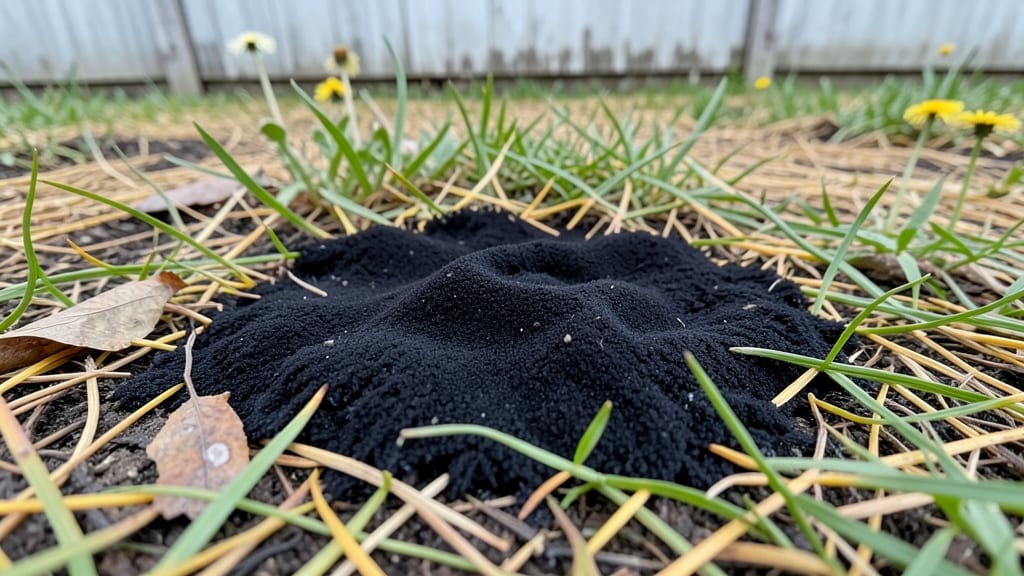
Black slime mold creeping across your lawn looks like a disaster—but it’s actually harmless and easy to erase without harming your grass. 🌱 I’ve battled this black, jelly-like mess in my own yard, and the secret is treating it like a temporary guest rather than a threat.
The key is acting fast when conditions are right: warm, damp mornings after heavy dew or rain.
The mold thrives on organic debris and thick thatch, so the fix starts with simple yard work. Rake up leaves and clippings, then mow slightly higher than usual to shade the soil and reduce moisture buildup.
Aerating in spring or fall also helps break up thatch, making your lawn less inviting for future outbreaks. Most importantly, avoid overwatering—this mold needs damp conditions to spread.
Once you’ve cleared the debris, the mold will disappear within days as the grass dries out. You’ll notice the black film vanish, leaving behind healthy turf with no lasting damage.
The real payoff? A lawn that stays vibrant without harsh chemicals. For stubborn patches, a stiff broom or leaf blower works wonders—no scrubbing required.
Prevention is mostly about keeping your lawn healthy. Regular mowing, proper drainage, and occasional aeration keep slime mold from returning. If it keeps coming back despite your efforts, check for hidden moisture issues like poor soil drainage or overwatering.
Most cases clear up quickly, but persistent problems might need a soil test to rule out deeper issues.
Understanding The Root Causes
Black slime mold in grass isn’t just an unsightly nuisance—it thrives due to a mix of environmental and lawn-care factors. While it may seem like a sudden outbreak, the conditions that allow it to spread are often the result of long-term lawn management habits.
Below, we break down the key reasons why this slimy invader appears in your yard, so you can address the real issues at play.
🌧️ Excessive Moisture & Poor Drainage
Black slime mold (Didymium iridis) loves damp conditions, and your lawn becomes its perfect breeding ground when moisture lingers. Here’s why:
- Overnight dew or heavy rain: The mold spores germinate when grass blades stay wet for prolonged periods, especially in shaded or low-traffic areas where water pools.
- Compacted soil: If your lawn has poor drainage (common in clay-heavy soils or areas with foot traffic), water doesn’t absorb quickly, creating a soggy environment the mold adores.
- Irrigation habits: Overwatering—whether from sprinklers, rain, or poor soil structure—keeps the grass bedded in moisture, signaling the mold to feast.
Actionable fix: Improve drainage by aerating compacted soil, adjusting watering schedules (early morning is best), and avoiding walking on wet grass to prevent compaction.
🍄 Organic Debris & Thatch Buildup
The mold feeds on decaying organic matter, so a lawn with thick thatch (the layer of dead grass, roots, and debris between soil and green blades) is an all-you-can-eat buffet. Here’s how it happens:
- Thatch accumulation: A thatch layer over ½ inch thick traps moisture, blocks airflow, and provides the perfect hiding spot for mold spores.
- Leaf litter or mulch: Fallen leaves, grass clippings, or wood mulch near the lawn edge create microclimates where mold spores thrive.
- Poor lawn maintenance: Skipping dethatching or overseeding allows organic matter to pile up, creating a mold-friendly ecosystem.
Actionable fix: Dethatch your lawn in early spring or fall, remove leaf debris promptly, and mow at the right height (2–3 inches) to reduce thatch buildup.
🌑 Shade & Low Sun Exposure
Black slime mold is a shade-loving organism. When grass struggles to photosynthesize due to lack of sunlight, it weakens, making it easier for mold to take hold. Key triggers include:
- Trees or structures: Areas under overhanging branches or near fences/sheds stay damp longer and receive less UV light, which naturally inhibits mold growth.
- Dense grass varieties: Some turfgrasses (like fine fescue) grow slower in shade, creating a moist, slow-growing mat that mold exploits.
- Seasonal changes: Early spring or late fall, when sunlight is weaker, increases mold risk in shaded spots.
Actionable fix: Prune trees to improve airflow, consider sun-tolerant grass varieties for shaded areas, or use a dehumidifier in garages/sheds that border the lawn.
🌡️ Temperature & Humidity Fluctuations
While black slime mold isn’t temperature-sensitive, humidity is its biggest ally. The mold spreads rapidly when:
- Nighttime humidity spikes: Warm, humid evenings (common in summer or after rain) create the ideal environment for spore germination.
- Sudden temperature drops: Cool mornings with lingering dew on grass blades accelerate mold growth, especially in high-humidity climates.
- Greenhouse effect: Dense turfgrass can trap heat and moisture, mimicking a humid microclimate.
Actionable fix: Monitor local humidity forecasts and water lawns before 10 AM to allow grass to dry by evening. Use a soil moisture meter to avoid overwatering.
Pro Tip: 💡 Black slime mold isn’t harmful to grass or humans, but it’s a sign your lawn’s ecosystem is out of balance. Addressing moisture, organic buildup, and shade will not only banish the mold but also strengthen your turf’s resilience for future outbreaks.
Natural Ways to Remove Slime Mold
Black slime mold may look unsightly, but it’s rarely harmful to your lawn—it’s more of a nuisance than a threat. The good news? You can eliminate it without harsh chemicals.
Below are targeted solutions based on the most common causes, along with prevention tips to keep your grass looking lush and mold-free.
🌧️ Too Much Moisture? Dry It Out
If your lawn stays damp for too long (from rain, shade, or poor drainage), slime mold thrives. Fix it fast with these steps:
- 🔥 Improve Drainage
- Rake away thick thatch or compacted soil where water pools.
- Consider aerating if drainage is consistently poor.
- 🌡️ Let It Dry Naturally
- Avoid watering in the evening—stick to early morning.
- Use a leaf blower or broom to gently remove slime mold after it dries (don’t press it into the grass).
- ✨ Reduce Shade & Humidity
- Trim overhanging branches or thin dense shrubs to let sunlight reach the grass.
- Use a dehumidifier in shaded areas if possible.
🍂 Organic Debris Buildup? Clean Up
Slime mold feeds on decaying plant matter. Prevent future outbreaks by:
- 🧹 Remove Leaves & Debris
- Rake up fallen leaves, twigs, and grass clippings weekly in humid seasons.
- Compost or dispose of wet debris—don’t leave it piled near the lawn.
- 🌱 Mow Regularly
- Keep grass at 2.5–3.5 inches to reduce organic buildup.
- Bag clippings if your lawn tends to stay damp.
🏡 Poor Air Circulation? Boost Ventilation
Shady, enclosed spaces trap moisture. Break up stagnant air with:
- 🪓 Prune Overgrown Plants
- Trim bushes, hedges, and trees pressing against the lawn.
- Space out mulch beds to allow airflow.
- 💨 Use a Fan (Yes, Really!)
- Place a small outdoor fan on low in shaded areas to circulate air during humid days.
🧴 Chemical-Free Cleanup: The Scrub Method
For stubborn patches, don’t grab the bleach—try this instead:
- 🧼 Mix a Gentle Cleaner
- Combine 1 gallon warm water + 1 tbsp dish soap + 1 tbsp white vinegar in a spray bottle.
- Why? Vinegar disrupts the mold’s structure without harming grass.
- 🧽 Scrub & Rinse
- Lightly spray the affected area, let sit for 10 minutes, then scrub with a stiff brush.
- Rinse with water—no need to hose down heavily (just enough to remove residue).
- 🌿 Follow Up with Fungicide (Optional)
- If mold keeps returning, use a natural fungicide like neem oil (mix 2 tbsp neem oil + 1 tsp mild soap + 1 quart water). Spray lightly and avoid wetting the grass.
🛡️ Long-Term Prevention Tips
Once you’ve banished slime mold, keep it away for good with these habits:
- 💡 Test Your Soil – If drainage is chronically poor, amend with sand or compost to improve porosity.
- 🌿 Choose Resistant Grass – Opt for tall fescue or Kentucky bluegrass if your yard is prone to moisture.
- 🍂 Fall Cleanup – Before winter, remove all dead plant material—slime mold loves overwintering in debris.
- 🌞 Mow High in Summer – Longer grass shades the soil, reducing evaporation and trapping moisture—mow slightly lower in heatwaves.
Pro Tip: 🔥 Slime mold is a sign, not the disease. Fix the underlying issue (moisture, shade, or debris), and it won’t return! Most cases clear up in 3–5 days with proper care. If mold persists after 2 weeks, check for fungal diseases (like brown patch) that may need professional attention.
Frequently asked questions
Is black slime mold harmful to my grass or pets?
No, black slime mold is completely harmless to grass, pets, or humans. It’s primarily an aesthetic issue that disappears once conditions dry out. The mold feeds on organic debris but won’t damage healthy turf. However, if it keeps returning, it’s a sign your lawn needs better drainage or less organic buildup.
Why does slime mold always come back after I remove it?
Slime mold returns when moisture and organic debris remain. Check for these common triggers: thick thatch layers, poor drainage, or shaded areas where grass stays damp. Fix the root cause—like improving airflow or reducing thatch—before the mold reappears.
Can I use bleach or vinegar to kill black slime mold?
Bleach is unnecessary and can harm grass, while vinegar works—but only as a temporary solution. For best results, mix 1 tbsp white vinegar + 1 tbsp dish soap + 1 gallon water, spray lightly, and let dry. The mold will disappear within hours, but address moisture issues to prevent recurrence.
Is black slime mold contagious to other plants?
No, it’s not contagious in the traditional sense. The mold spreads via spores that need moisture and organic matter to grow. If your garden beds or mulch are nearby, clean up debris and improve airflow to prevent it from moving. The key is eliminating its food source and drying conditions.
When is the best time of year to prevent slime mold?
Focus on prevention in spring and fall, when humidity spikes and temperatures are mild. Aerate your lawn, remove thatch, and adjust mowing heights to 2.5–3.5 inches for better airflow. Also, avoid evening watering—stick to early morning to let grass dry quickly.