
Plants
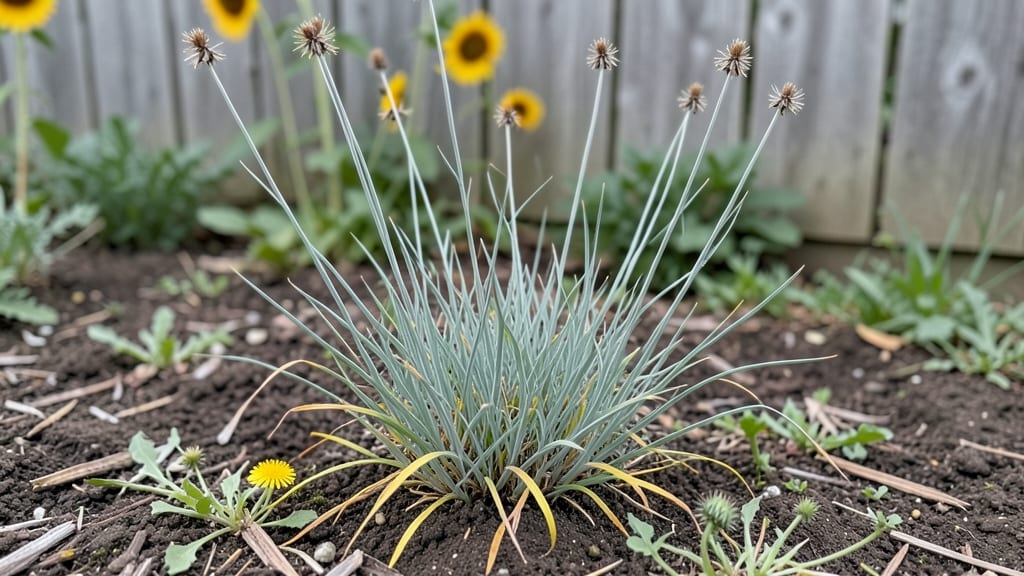
Growing blue juncus grass adds a bold, blue-green punch to any garden while demanding almost no effort—perfect for low-maintenance spaces that still need drama.
If you're dreaming of a lush, wetland garden that thrives year-round with striking texture, this hardy grass is your secret weapon. It handles soggy soil, drought, and even urban grime, making it a favorite for eco-conscious gardeners who want impact without the fuss.
From modern rain gardens to cottage-style borders, blue juncus grass adapts to any style while keeping water bills low. Its arching foliage and drought tolerance mean less work for you—and more time enjoying the results.
Here’s how to plant it for maximum effect, pair it with complementary plants, and turn it into the star of your landscape, no matter your zone or design taste.
Why blue juncus grass stands out in wetland landscaping
Blue Juncus grass (Juncus effusus 'Blue Arrow') isn’t just another wetland plant—it’s a game-changer for gardeners tackling soggy, high-maintenance spaces. Its vibrant blue-green foliage and arching, fountain-like growth habit create visual drama while demanding minimal care. Unlike many wetland plants that struggle with urban pollution or poor soil, this grass thrives in conditions where others fail, making it a top performer in rain gardens, pond edges, and even containers with consistent moisture.
What truly sets it apart is its year-round resilience. While other wetland plants may wilt in summer heat or turn brown in winter frost, blue juncus maintains its lush texture and cool tones—even when surrounded by drought-stressed neighbors.
Its fine, needle-like blades add soft contrast to bold foliage plants, and its airy, cascading form softens hard edges in modern landscapes.
This grass isn’t picky about soil types, either. It handles clay-heavy, sandy, or peaty soils as long as they’re moist but well-draining. That flexibility lets you plant it in low spots, bog gardens, or even urban planters where water pools after rain.
Unlike water-loving plants like cattails or reeds, which can become invasive, blue juncus stays contained and elegant—perfect for gardeners who want beauty without chaos.
Here’s why it outshines other wetland plants in challenging conditions, from sunlight needs to seasonal hardiness—plus how to maximize its impact in your landscape.
📊 Key Traits at a Glance
| Trait | Specification | Why It Matters |
|---|---|---|
| Color | Blue-green | Stands out against golden or green wetland plants; adds cool contrast. |
| Texture | Fine, arching blades | Creates soft movement in breezes; ideal for modern or Zen gardens. |
| Sunlight Needs | Full sun to partial shade | Thrives where sun-loving plants fail; tolerates urban shade. |
| Soil Tolerance | Clay, sand, peat, or loam | Adapts to poor or compacted soils; no need for amendments. |
| Water Needs | Consistently moist | Survives flooding or drought once established; low-maintenance. |
| Winter Hardiness | td>Zones 5–9 | Stays green or tan in winter; adds structure to dormant gardens. |
| Pollution Tolerance | High | Thrives in urban areas with polluted air or salty soils. |
| Pest Resistance | Very low | Rarely attracts deer, insects, or diseases. |
| Mature Height | 1.5–3 feet | Fills vertical gaps in borders; great for containers or pond edges. |
One of the biggest reasons gardeners reach for blue juncus grass is its adaptability to sunlight. While many wetland plants burn in full sun or flop in shade, this grass handles 6+ hours of direct sunlight without stress—making it ideal for south-facing rain gardens or urban courtyards.
In partial shade, it still delivers vibrant color, unlike sun-lovers like canna lilies that fade without intense light.
Its soil flexibility is another standout feature. Unlike picky wetland plants that demand peat moss or sandy mixes, blue juncus grows in native clay, compacted urban soil, or even slightly alkaline conditions.
This means you can plant it almost anywhere water collects, from low-lying borders to roof gardens with drainage issues. Even in soggy, anaerobic soil (where roots suffocate), it outcompetes weeds and crowds out invasive species like phragmites.
Seasonal resilience is where blue juncus truly shines. In summer, it stays lush and upright while other grasses fl
How to plant and maintain blue juncus grass for maximum impact
Blue Juncus Grass (Juncus effusus 'Blue Arrow') thrives in moist to wet conditions, making it ideal for rain gardens, pond edges, or even urban landscapes with poor drainage. Its arching blue-green blades create movement and texture, while its hardy nature means it handles neglect like a pro.
Whether you're a beginner or seasoned gardener, these steps will help you achieve lush, vibrant growth with minimal effort.
Before planting, choose a location that receives full sun to partial shade—at least 4-6 hours of sunlight daily—to maintain its signature color. This grass is incredibly versatile, adapting to clay, sandy, or loamy soils, as long as they’re not completely waterlogged.
If your soil is heavy or compacted, amending it with organic matter like compost will improve drainage and root health.
Space Blue Juncus Grass 12-18 inches apart in rows 18-24 inches apart to allow for air circulation and prevent overcrowding. For pond edges or water features, plant closer together (6-12 inches apart) to create a dense, natural border. Always plant in spring or early fall to avoid extreme temperatures.
When preparing the planting site, dig a hole twice as wide as the root ball but no deeper. Gently remove the grass from its container and loosen any circled roots at the bottom to encourage outward growth.
Place the plant in the hole so the top of the root ball sits level with the surrounding soil. Backfill with native soil and press lightly to eliminate air pockets.
Watering is key during the first growing season. Keep the soil consistently moist (not soggy) by watering deeply 2-3 times per week until established. Once rooted, reduce watering to once weekly or when the top 1-2 inches of soil feel dry.
In hot, dry spells, increase frequency to every 5-7 days to prevent browning. Mulch around the base with 2-3 inches of organic mulch to retain moisture and suppress weeds.
Fertilizing is optional but can boost growth. Apply a balanced, slow-release fertilizer (10-10-10) in early spring at planting time and again 6 weeks later. Avoid fertilizing in summer or fall, as this grass enters dormancy.
Prune in late winter or early spring by cutting back dead or brown foliage to 1-2 inches above the ground. This encourages fresh, vibrant growth and maintains a tidy appearance.
Blue Juncus Grass is drought-tolerant once established, making it perfect for low-maintenance gardens. However, it still benefits from occasional deep watering during prolonged dry spells. Watch for pests like slugs or snails, which may nibble on young shoots.
Handpick or use organic slug bait if needed. With proper care, this grass will reward you with year-round interest and minimal upkeep—ideal for busy gardeners!