
Container Gardens
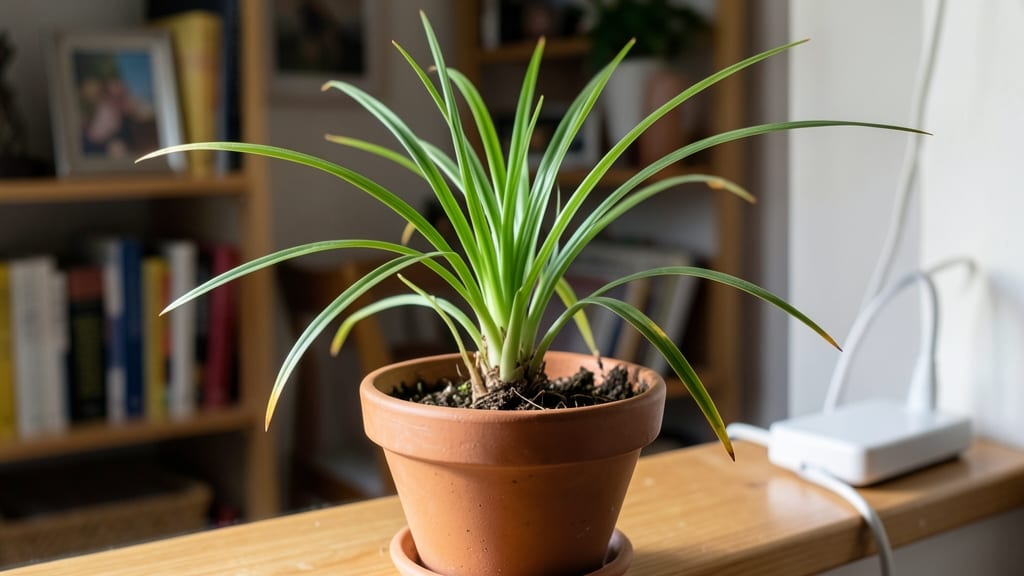
Yes, lemon grass can grow indoors when given bright, indirect light for 6+ hours daily, well-draining soil, and a pot with drainage holes. Maintain consistent moisture without waterlogging, keep temperatures above 60°F, and prune regularly to promote healthy growth.
Growing lemon grass indoors is absolutely doable if you replicate its tropical habitat. 🌱 The key is mimicking its natural environment—think of it like a sunbathing vacation for your plant.
Bright indirect light is non-negotiable, as direct sun can scorch those long leaves, while grow lights work wonders if you're in a dim corner. I've found that placing it near a south-facing window or under a 12-inch LED grow light for 8-10 hours daily keeps it thriving year-round.
For soil, a mix of potting soil with perlite or sand creates that perfect drainage balance lemon grass craves. Overwatering is the silent killer here—let the top inch dry out between waterings to prevent root rot.
And don't forget: those dramatic purple stems? They're your plant's way of saying "I need more light!" If you notice them turning yellow or falling over, it's time to adjust your care routine.
💡 In This Article
- Optimal Light and Temperature for Indoor Lemon Grass
- Step-by-Step Guide to Potting and Caring for Indoor Lemon Grass
Optimal light and temperature for indoor lemon grass
Lemon grass thrives indoors because it's a tropical plant that evolved to maximize photosynthesis under bright, diffuse light conditions. Its long, slender leaves contain parallel veins that efficiently capture light energy, but they're also prone to sunburn from direct rays.
The key is replicating the dappled sunlight found under tropical canopies—think of it as creating a mini greenhouse effect. Chlorophyll in lemon grass absorbs blue and red wavelengths most effectively, which is why grow lights with a 6400K color temperature (cool white) work so well for indoor cultivation. 🔥
The ideal indoor setup mimics a south-facing window's light intensity, which delivers about 10,000-15,000 lux of illumination. For comparison, a standard office space gets only 500 lux, while direct sunlight can exceed 32,000 lux—both extremes are harmful.
Grow lights should be positioned 6-12 inches above the plant and run for 12-14 hours daily to compensate for indoor light deficiencies. Many growers swear by full-spectrum LED bulbs because they replicate the sun's spectrum more accurately than fluorescent options.
Temperature plays a crucial role in lemon grass metabolism, with optimal growth occurring between 75-85°F during the day and 65-70°F at night. Below 60°F, the plant's enzymatic activity slows dramatically, leading to stunted growth or even leaf drop.
This is why most indoor growers avoid drafty areas near windows or vents. The plant's native habitat in Southeast Asia explains this sensitivity—cool climates trigger a survival response that redirects energy away from leaf production. 💫
A common misconception is that lemon grass can tolerate shade, but what most people don't realize is that "shade tolerance" in tropical plants usually means they can handle 30-50% sunlight rather than complete darkness.
In low-light conditions, the stems elongate excessively (a condition called etiolation) while the leaves become pale and lose their aromatic oils. This is why indoor growers often rotate their plants every 2-3 weeks to ensure even light exposure—preventing the plant from leaning toward the light source.
For those without south-facing windows, LED grow lights offer a precise solution. A 20-watt LED bulb covering 1 square foot provides sufficient light for one lemon grass plant. The key is maintaining consistency—fluctuating light levels stress the plant more than steady, moderate illumination.
I've found that supplementing with a timer ensures the plant maintains its natural circadian rhythm, which is critical for healthy growth patterns. The result? Vibrant green leaves that retain their signature citrusy aroma and firm texture.
Seasonal adjustments are also important. During winter months when daylight hours shrink, extend the grow light period to 14-16 hours to compensate. This mimics the plant's natural photoperiod in its tropical origins.
The payoff is visible in the plant's vigor—proper light exposure leads to thicker stems and more potent essential oils, which is why many chefs prefer homegrown lemon grass for its superior flavor. ✨