
Plants
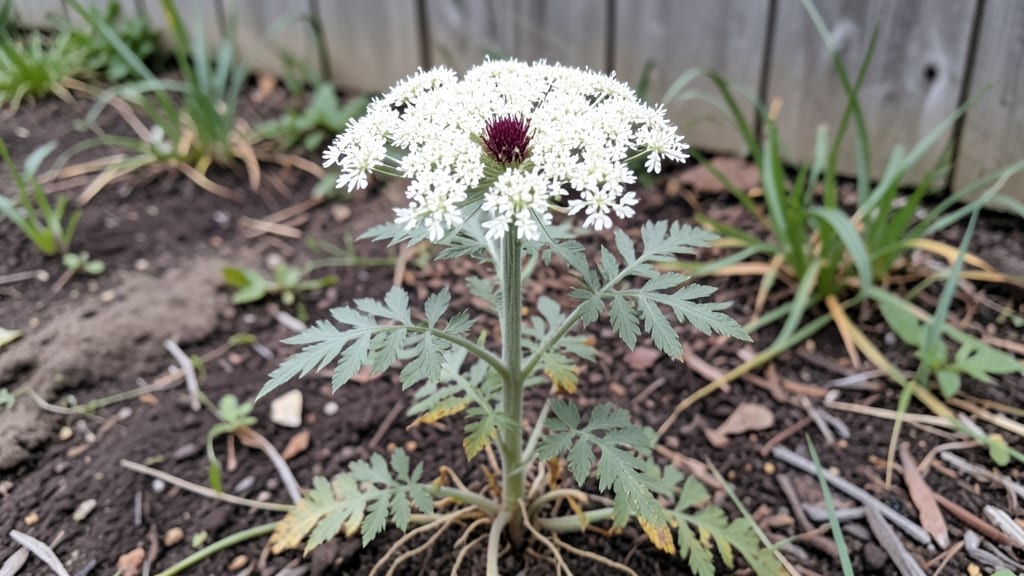
When carrot seed grass sneaks into your garden, it can turn your spring planting into a tangled mess of unwanted growth 🥕—especially if you're growing real carrots nearby.
Picture this: you've just tilled your soil for the season, only to spot lacy green leaves popping up where your 6a-zone carrots should be. That's not your crop—it's wild carrot seedlings, and they're about to steal your space.
The good news? This grassy invader thrives on careless sourcing and poor soil prep. With five fast tricks, you can outsmart it before it spreads, saving your garden's prime real estate for the carrots you actually planted.
Below, I'll show you how to spot the difference between real carrots and weeds, plus the prevention methods that work in March-April planting windows—so you can keep your rows clean all season long.

How carrot seed grass spreads: identifying the root causes
Carrot seed grass—often mistaken for wild carrot (Daucus carota) or Queen Anne’s lace—can turn your carefully cultivated garden into a battleground overnight. This invasive weed doesn’t just pop up randomly; it follows a predictable pattern of seed dispersal and root growth.
Understanding these mechanisms is the first step to reclaiming your garden before it’s overrun.
At its core, carrot seed grass spreads through a combination of wind-dispersed seeds and a deep, fibrous root system. Even a single plant can produce thousands of seeds, each capable of germinating in disturbed soil.
Once established, its roots fragment easily, creating new growth points that regenerate even after removal. The worst part? It thrives in the same sunny, well-drained conditions as your carrots, making it a relentless competitor.
🌱
- 1. Seed Dispersal
- 2. Root Fragmentation
- 3. Environmental Triggers
- 4. Soil Disturbance
- 5. Lack of Competition
Seed dispersal is the primary culprit behind carrot seed grass outbreaks. A single mature plant can release up to 20,000 seeds per year, which hitchhike on wind currents or cling to clothing, tools, and even animals. These seeds remain viable in the soil for 3-5 years, waiting for the right conditions—like loose, nutrient-rich soil—to sprout. If you’ve ever noticed tiny, feathery seedlings popping up in your garden beds, they’re likely carrot seed grass taking advantage of disturbed soil.
Once established, the root fragmentation mechanism makes this weed nearly impossible to eradicate with shallow removal methods. Carrot seed grass develops a deep taproot with lateral roots that break into fragments when pulled or tilled.
Each fragment can regrow into a new plant, ensuring the weed’s survival even after you think you’ve removed it. This is why digging out the roots isn’t enough—you need to target the entire root system or smother it before it fragments.
The environmental triggers that encourage carrot seed grass growth are often the same conditions your garden thrives in. It loves full sun exposure (6+ hours daily) and well-draining soil, which is why it’s so common in vegetable gardens.
Disturbed soil—like freshly tilled beds or areas where you’ve removed other plants—also signals to dormant seeds that it’s time to germinate. Even mild soil compaction can trigger seedling growth, as the roots seek out easier pathways to expand.
Another major factor is soil disturbance, whether from tilling, foot traffic, or even water erosion. Every time you turn over the soil, you’re essentially inviting carrot seed grass to take root.
The weed’s seeds lie dormant until they detect movement, which is why it’s so aggressive in newly planted beds or areas where you’ve recently harvested crops. If you’ve noticed an uptick in weeds after tilling, you’re likely unknowingly creating the perfect conditions for carrot seed grass to spread.
Finally, the lack of competition plays a huge role in its dominance. Carrot seed grass outcompetes slower-growing plants by rapidly filling empty spaces in your garden.
If you’ve ever left a patch of bare soil uncovered—whether between rows of carrots or in a newly cleared bed—you’ve given this weed a head start. It thrives in monoculture gardens (like rows of only carrots) because there’s nothing to slow its spread.
Introducing diverse plantings or ground covers can disrupt its lifecycle and reduce its dominance.
Recognizing the early signs of carrot seed grass is critical. Look for feathery, fern-like leaves that grow in a rosette pattern, often accompanied by a single purple flower stem in late summer.
The roots, when unearthed, will reveal a white, fibrous structure that’s far more extensive than it appears above ground. If you catch it early, you can pull it by hand before it establishes a deep root system, but once it’s mature, you’ll need more aggressive strategies.
🌿
5 Fast tricks to prevent carrot seed grass growth in your garden
Carrot seed grass—often wild carrot (Daucus carota) or Queen Anne’s lace—can hijack your garden beds if you don’t act quickly. The key to stopping it lies in early intervention and preventive soil care.
Unlike your 6a-zone carrots, this grassy weed thrives in disturbed soil and spreads aggressively through seed dispersal.
If you’ve already spotted lacy green leaves popping up where your spring planting should be, don’t panic. These five fast tricks will help you reclaim your garden—whether you’re dealing with existing patches or want to prevent future outbreaks.
Method
Pros:
- Removes existing weeds immediately
- No chemicals needed
- Works for small patches
Pros:
- Blocks light and seed germination
- Improves soil moisture
- Reduces weed competition
Cons:
- Time-consuming for large areas
- May regrow if roots remain
- Requires frequent checks
Cons:
- Must be replaced annually
- Can smother plants if too thick
- Less effective in dense weed beds
Pros:
- Fast-acting for spot treatment
- Organic option (vinegar + soap)
- Kills above-ground growth
Pros:
- Improves soil health long-term
- Discourages weed seeds from sprouting
- Works for prevention
Cons:
- Can damage nearby plants
- Requires reapplication
- Ineffective on deep roots
Cons:
- Takes time to see results
- Requires specific amendments
- Not a quick fix
Start with manual removal for small patches. Pull weeds when the soil is moist (after rain or watering) to avoid breaking roots. For larger areas, use a hand weeder or hula hoe to cut seedlings at the base—just be sure to remove all plant parts to prevent regrowth.
Next, apply a 20% vinegar solution (mix 1 part vinegar + 4 parts water + 1 tbsp dish soap) to existing patches. Spray on a sunny, wind-free day to avoid drift. This natural herbicide works best on young seedlings but won’t harm your carrots if applied carefully around the edges.
To prevent future outbreaks, spread a 3-inch layer of mulch (straw or wood chips) after planting. Mulch blocks sunlight and smothers weed seeds before they germinate. For soil amendments, add compost or aged manure to improve soil structure—healthy soil naturally suppresses weeds by outcompeting them.
Finally, consider crop rotation to break the weed cycle. Avoid planting carrots or related crops (like parsley or dill) in the same spot next year, as this can reduce seed bank buildup in your soil. With these tricks, your spring planting will stay weed-free and thriving!