
Plants
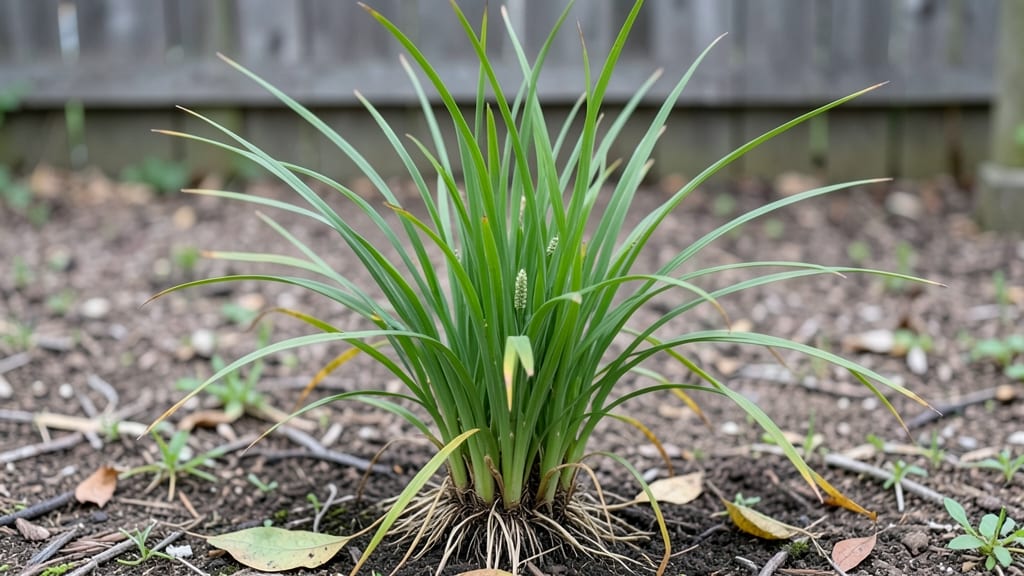
Growing citronella grass (Cymbopogon nardus) 🌿 is your secret weapon against backyard mosquito swarms—this fragrant grass doesn’t just repel pests, it thrives in containers or garden beds with minimal fuss.
Picture this: You’re grilling on a summer evening, the air humming with the scent of citrus and herbs, while your guests sip cocktails—no itchy bites in sight. That’s the power of citronella, but only if you plant it right.
Too little sun? It’ll flop. Overwater? Root rot sets in. Get the basics wrong, and you’re left with a sad, scentless clump instead of a mosquito magnet.
Here’s the good news: With full sun, well-drained soil, and consistent care, this hardy grass grows tall enough to brush your knees by midsummer—just in time for peak mosquito season.
We’ll cover everything from soil prep to harvesting tips so you can turn your yard into a natural bug-free zone.
Ready to ditch the chemical sprays? By the end of this guide, you’ll know exactly when to plant, how to prune, and even how to dry the leaves for winter use. Let’s get your citronella grass growing like a pro.
How to grow citronella grass (Cymbopogon Nardus) for Maximum Mosquito Protection
Citronella grass (Cymbopogon nardus) isn’t just a garden plant—it’s your natural defense against mosquitoes, ticks, and other pests. When grown correctly, its lemony scent repels insects while adding a tropical touch to your yard.
The key to maximizing its fragrance and effectiveness lies in replicating its native tropical conditions. Whether you’re planting in containers or garden beds, these steps ensure your citronella thrives and works harder to keep bugs away.
Before you start, know that citronella grass loves heat and sun—it’s a tropical plant at heart. If you live in USDA Zones 9-11, it can grow year-round. In cooler climates (Zones 6-8), treat it as an annual or overwinter indoors.
The secret to a strong, pest-repelling plant? Start with the right soil, sunlight, and spacing, then maintain consistent care. Let’s break it down step by step.
Select a spot with full sun (6+ hours daily) and well-draining soil. Citronella grass wilts in shade and struggles in soggy soil. Containers work well for patios or small spaces—just ensure they have drainage holes.
Mix compost or aged manure into the soil to improve drainage and fertility. Citronella prefers slightly acidic to neutral pH (6.0-7.0). For containers, use a lightweight potting mix with perlite or sand for aeration.
Dig holes twice as wide as the root ball but no deeper. Space plants 18-24 inches apart in garden beds or 12 inches apart in containers. Overcrowding reduces airflow, increasing fungal risks.
Water morning or evening to avoid evaporation. Keep soil moist but not soggy—citronella grass hates waterlogged roots. In summer, water daily or every other day, while established plants tolerate drought better.
Use a balanced fertilizer (10-10-10) every 4-6 weeks during spring and summer. Avoid over-fertilizing, which can burn roots. Organic options like fish emulsion or compost tea work well too.
Trim yellow or brown leaves regularly to encourage new growth. Cut back 1/3 of the plant in early spring to stimulate denser foliage. Avoid heavy pruning in fall if you’re overwintering indoors.
Harvest leaves when they reach 12-18 inches tall for the strongest citronella oil. Cut stems just above a leaf node to encourage branching. Dry leaves in sunlight for DIY repellent sachets or oil extraction.
Yellow leaves? Overwatering or poor drainage is likely. Stunted growth? Check for underwatering or lack of sunlight. Pest issues? Spray with neem oil or introduce beneficial nematodes for soil-dwelling pests.
One of the biggest mistakes I see is planting citronella in shade or skipping drainage. Without enough sun, the plant’s fragrance weakens, reducing its mosquito-repelling power. And soggy soil?
That’s a fast track to root rot. If you’re in a cooler climate, bring potted citronella indoors before first frost and place it near a south-facing window for winter.
For maximum mosquito protection, plant citronella in clusters near patio seating, doorways, or garden paths. The more plants you have, the stronger the citronella scent barrier becomes.
Pair it with lavender or marigolds to create a multi-layered pest-repellent garden. Just remember: consistency is key—whether it’s watering, fertilizing, or pruning.
Once established, citronella grass can survive light droughts, making it a low-maintenance addition to your garden. But don’t let it go completely dry—wilting leaves signal stress, and the plant may lose its scent.
A quick soak usually revives it, but prevention is easier than cure. If you’re growing citronella in containers, move them to a sheltered spot during heavy rain to avoid waterlogging
Best citronella grass varieties for different climates and uses
Not all citronella grass varieties are created equal—some thrive in humid tropical climates, while others adapt to drier temperate zones. Choosing the right Cymbopogon nardus variety ensures strong mosquito-repelling fragrance and healthy growth. Let’s explore the top options for your garden’s needs and conditions.
Whether you’re planting in containers on a patio, lining garden borders, or creating a large-scale mosquito barrier, the right variety makes all the difference. Java Citronella and Burmese Citronella are the most popular, but each has unique strengths for specific climates and uses.
Here’s how they compare in terms of fragrance intensity, growth habits, and climate suitability to help you pick the perfect fit for your outdoor space.
For container gardening, Java Citronella and Maha Pengiri are my top picks—they stay compact and pack a powerful punch against mosquitoes. If you’re in a humid climate like Florida or Hawaii, Burmese Citronella spreads beautifully, making it ideal for ground covers or large garden beds.
In cooler climates (Zones 7-8), consider growing citronella in large pots that you can move indoors during winter. Java Citronella handles this transition best due to its hardier nature compared to tropical varieties.
Pro tip: Mix varieties for a multi-layered defense. Plant Java Citronella near seating areas and Burmese Citronella along property edges to create a mosquito-free zone from all angles.