
Lawn
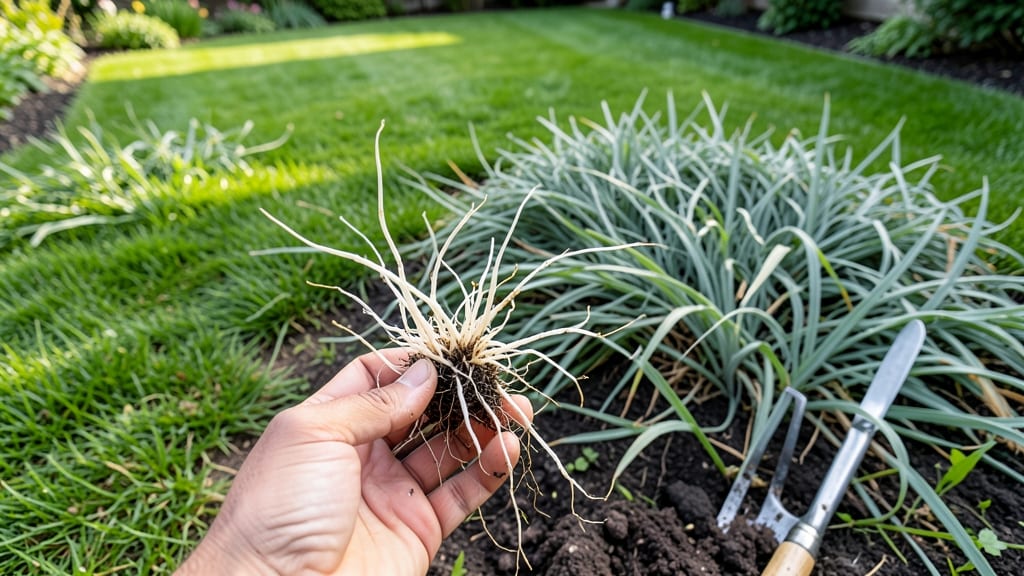
That stubborn couch grass creeping through your lawn? 🌱 It’s not just an eyesore—it’s stealing nutrients from your grass and making mowing a nightmare. I’ve spent years battling this tenacious weed, and I’ve found the exact digging technique that stops it from coming back.
The key is timing, persistence, and knowing where to strike.
You’ll need a sharp spade, a pair of gloves, and a sunny afternoon—or a determined weekend warrior like me. The goal is to dig out the roots completely, because even a tiny piece left behind will regrow.
Think of it like whack-a-mole, but with more dirt and less fun. Once you’ve pulled it all, you’ll see fresh green grass start to reclaim the space within weeks.
The real secret? Preventing regrowth by overseeding with a tougher grass variety that outcompetes couch grass. I’ve had the best luck with tall fescue—it crowds out weeds naturally and handles foot traffic like a champ.
Your lawn won’t just look better; it’ll feel like a whole new ecosystem where the grass is finally winning.
This method works for any lawn size, whether you’ve got a small patch or a full backyard takeover. The hardest part is the initial digging, but once you’ve got it under control, maintaining a weed-free lawn becomes way easier. Let’s get started—your grass is waiting.
📚 In This Guide
- What you need
- Instructions
- Tips and common mistakes
- Wrapping up and next steps
What you need
- ○ Garden fork or dandelion weeder – A sturdy, long-handled fork (12–18 inches) for deep extraction. Optional: A couch grass-specific weeder (like the Stihl Weed Wrench) for stubborn roots.
- ● Gloves – Heavy-duty gardening gloves (waterproof preferred) to protect your hands from sharp roots and sap.
- ● Sharp spade or shovel – A flat-edged spade (6–8 inches wide) for slicing through thick patches.
- ● String trimmer or lawnmower – Set to a low height (1–2 inches) to weaken couch grass before digging.
- ● Garden twine or flagging tape – To mark retreated areas and track regrowth.
- ○ Pre-emergent herbicide – Optional but helpful: A corn gluten meal or natural pre-emergent (like Scotts Halts Crabgrass) for post-treatment prevention.
- ● Vinegar solution (20–30% acetic acid) – For spot-treating remaining roots after digging. Dilute 1:1 with water to avoid damaging nearby plants.
- ● Mulch or landscape fabric – To smother regrowth in treated areas.
- ● Lawn patch repair kit – For reseeding bare spots after removal.
- ● Knee pads or stool – Because comfort matters when you’re on your hands and knees!
Step-by-Step instructions for removing couch grass from your lawn
Here's how I tackle this stubborn weed—without resorting to harsh chemicals.
🪴 Step 1: Identify and Mark the Infestation
Couch grass (also called twitch or doggrass) spreads aggressively through underground rhizomes, so you need to spot every patch. Walk your lawn on a dry day when the grass is dormant—you'll see it as thick, wiry clumps that feel tougher than your regular turf. Use a white spray paint to mark each patch in a grid pattern, leaving 6-inch borders between marks. This helps you track progress and prevents missing hidden roots.
I like to work in sections about 3 feet by 3 feet because larger areas get overwhelming. Real talk: you'll miss some roots the first time, so marking makes it easier to return and finish the job. Avoid painting on windy days—the paint will smear and make your grid useless.
✂️ Step 2: Dig Out the Rhizomes Completely
Use a sharp garden fork or dandelion weeder to dig down 6-8 inches deep around each marked patch. Couch grass rhizomes grow horizontally, so you need to follow them with your eyes as you dig. Pull up the entire root system—even small fragments left behind will regrow. I like to wear gloves because these roots are tough and can leave your hands raw.
Check the soil for any remaining root pieces by running your fingers through it. If you find even a 1-inch rhizome segment, dig deeper or wider until it's gone. For stubborn patches, I'll sometimes rent a sod cutter to remove the entire turf section and then dig the roots out from the exposed soil.
💧 Step 3: Treat the Soil to Prevent Regrowth
Once you've removed all visible roots, fill the holes with fresh topsoil mixed with 50% compost to improve drainage and discourage new growth. Water the area deeply to help the soil settle. For extra prevention, apply a thin layer of corn gluten meal (about 20 pounds per 1,000 square feet)—this natural pre-emergent stops weed seeds from sprouting.
Here's the thing—couch grass often returns if you don't address the soil conditions. If your lawn has poor drainage or compacted soil, aerate the area first. I've found that overseeding with a dense, competitive grass like tall fescue or perennial ryegrass helps crowd out any remaining couch grass roots over time.
☀️ Step 4: Monitor and Maintain the Treated Area
Check the treated sections every 2-3 weeks for any new couch grass shoots. These will appear as thin, wiry blades that look different from your regular grass. Pull them immediately with a weeding tool—don't let them develop roots. I keep a small hand fork in my shed just for spot treatments.
For the first 3 months, avoid heavy foot traffic on the treated areas to give the soil time to recover. If you notice bare spots, overseed with the same grass type as your existing lawn. The key is consistency—couch grass is persistent, but with regular checks, you'll see it disappear within a season.
Tips & tricks for perfect couch grass removal
Don't let this weed win—these practical tips will help you eliminate couch grass for good.
Precision Marking: When you're marking patches in Step 1, use a ruler to ensure those 6-inch borders between marks are consistent. I've found that using a 3 feet by 3 feet grid makes it easier to spot any missed roots during follow-up checks. For larger lawns, consider using a measuring tape to create a more precise grid pattern—this visual system keeps you from missing hidden rhizomes.
Root Detection Technique: In Step 2, after digging down 6-8 inches, run your fingers through the soil to feel for any remaining rhizome segments. I've learned the hard way that even a 1-inch fragment left behind will regrow. For stubborn patches, try using a garden knife to carefully slice through the soil in a grid pattern—this helps expose hidden roots that might otherwise escape notice.
Soil Treatment Strategy: When you're treating the soil in Step 3, make sure your 50% compost mix is well-distributed in the holes. I've noticed that adding a thin layer of sand to the compost helps improve drainage, which is especially important if your lawn has compacted soil. For extra prevention, consider applying the 20 pounds per 1,000 square feet of corn gluten meal right after watering—this helps it settle into the soil more effectively.
Monitoring Made Easy: In Step 4, set a reminder on your phone to check treated areas every 2-3 weeks. I keep a small notebook where I sketch a simple map of my lawn and mark treated sections. This visual record helps me track progress and spot any new shoots early. For the first 3 months, I avoid walking on treated areas by creating a temporary path around them using stepping stones or boards.
Pro Tips for Couch Grass In Lawn
- Don't let this weed win—these practical tips will help you eliminate couch grass for good.
- Precision Marking: When you're marking patches in Step 1, use a ruler to ensure those 6-inch borders between marks are consistent.
- Root Detection Technique: In Step 2, after digging down 6-8 inches, run your fingers through the soil to feel for any remaining rhizome segments.
Frequently asked questions
What does couch grass look like, and how can I identify it in my lawn?
Couch grass (also called Elymus repens or "quackgrass") has long, narrow leaves with a distinctive boat-shaped tip. Its creeping rhizomes (underground stems) spread aggressively, forming dense patches. Unlike grass, it often grows in clumps and may appear thicker or weedier than surrounding turf. Pull up a section—if you see white, fibrous roots or a knotty underground network, it’s likely couch grass.
Is the best time to dig out couch grass spring or fall?
The ideal time is early spring (March–April) or fall (September–October), when soil is moist but not frozen. Spring lets you catch new growth before it spreads, while fall gives roots time to regrow before winter dormancy. Avoid peak summer heat—dry soil makes digging harder, and the grass may rebound faster. Pro tip: Water the area 24 hours before digging to soften the soil!
How do I prevent couch grass from regrowing after removal?
Regrowth happens when even tiny rhizome fragments remain. After digging:
- Inspect the soil for leftover roots or nodes (thickened sections)—remove all of them.
- Apply a pre-emergent herbicide (like corn gluten meal) to block seeds or sprouts.
- Reseed the bare spot with dense, competitive grass (e.g., Kentucky bluegrass or fescue) to crowd out weeds.
- Mow high (3–4 inches) to shade soil and discourage new growth.
For stubborn patches, repeat treatments in 6–8 weeks.
Can I use vinegar or natural remedies to kill couch grass?
Vinegar (10–20% acetic acid) can kill couch grass, but it’s non-selective—it’ll also harm your lawn. For spot treatments:
- Mix 1 gallon vinegar + 1 oz dish soap (as a surfactant) and spray directly on the grass (avoid overspray).
- Reapply every 3–5 days for 2–3 weeks.
- Reseed immediately after death to prevent bare spots.
Better alternatives: Solarization (covering with clear plastic in summer) or smothering with cardboard/mulch for 4–6 weeks.
What tools are best for digging out couch grass without spreading it?
Use a dandelion weeder or rhizome fork to pry out roots in one piece. Avoid shovels—they chop rhizomes into fragments that regrow. For large patches:
- Garden knife: Score around the perimeter to loosen soil.
- Hoe: Cut rhizomes under the soil line (but don’t bury them!).
- Gloves: Protect your hands—rhizomes can be tough!
Dispose of pulled grass in the trash (not compost)—even small pieces can sprout.
Wrapping up and next steps
Couch grass in your lawn doesn’t have to be a never-ending battle—with the right tools, techniques, and persistence, you can reclaim a lush, weed-free yard! 🌱 Targeted digging, smothering, and prevention strategies work, but consistency is key.
Start small, stay vigilant, and soon you’ll enjoy a healthier lawn without those stubborn invaders.
Ready to take action? Pick one method from this guide and tackle a small section of your lawn this weekend. Small steps lead to big results—your future self (and your grass) will thank you!