
Lawn
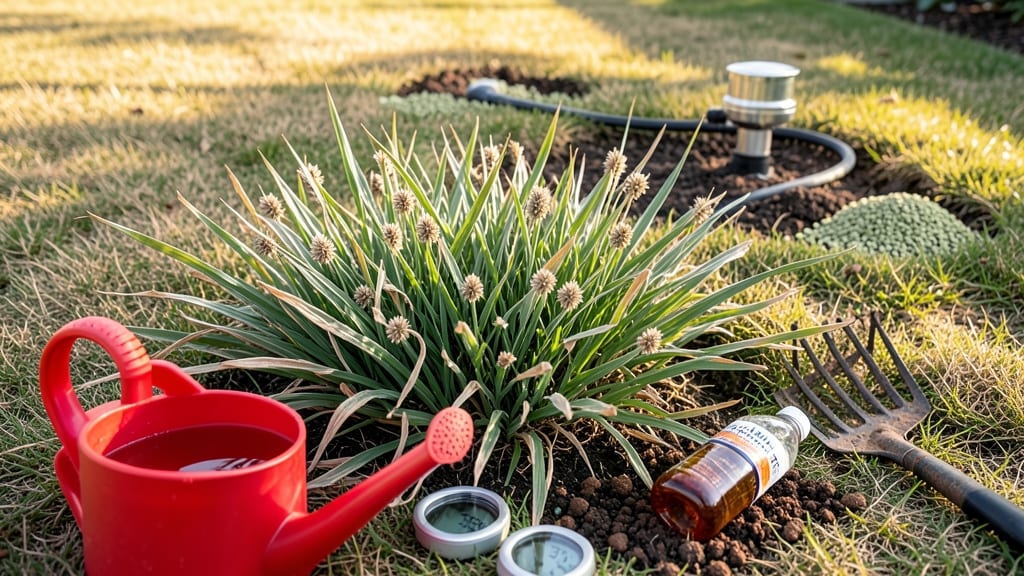
Your fix burnt lawn isn’t a lost cause—48 hours can turn those brown patches into green recovery with the right moves. ✨ I’ve nursed back lawns from drought, overwatering, or even chemical burns, and the secret isn’t magic—it’s understanding what really damaged your grass and how to fix it fast.
The first step is diagnosing the culprit: is it drought stress, too much water, or something like herbicide drift? Scratch the soil—if it’s dry and crusty, you’re dealing with thirst. If it’s soggy, you’ve drowned the roots.
Once you know the cause, we’ll tackle it with targeted watering, soil repair, and even temporary cover to protect the grass while it heals.
Within two days, you’ll see the first signs of life—tiny green shoots pushing through or the edges of brown patches softening. By week 3, with consistent care, your lawn will look like it’s never been stressed. The key? Patience and precision—no more guessing what your grass needs.
This works for any grass type, whether it’s Kentucky bluegrass, Bermuda, or fescue. The only thing that changes? The timing of your actions. Let’s get your lawn back to its best—fast.
Root Causes Of Lawn Damage
When your once-lush lawn suddenly turns brown or crispy, it’s often a sign of stress from specific environmental or human-induced factors. Understanding these causes is the first step to restoring your grass. Here’s a breakdown of the most common reasons your lawn might be burnt or damaged:
Too much water can be just as harmful as too little. When soil becomes oversaturated, it suffocates grass roots by cutting off their oxygen supply. This leads to anaerobic conditions, where beneficial soil microbes die off, and harmful bacteria thrive, weakening the grass.
- Signs: Yellowing grass, a spongy feel underfoot, or mushrooms popping up.
- Why it happens: Compacted soil or clay-heavy ground traps excess moisture, preventing roots from breathing.
- Actionable fix: Improve drainage by aerating the lawn or amending soil with organic matter like compost.
Prolonged dry spells or scorching summer heat can dehydrate grass roots faster than they can recover. Most lawn grasses enter a state of dormancy when soil moisture drops below 50% of field capacity, causing blades to turn brown while staying alive (but inactive).
- Signs: Crunchy, brittle grass that pulls up easily; soil appears dry and cracked.
- Why it happens: High temperatures increase evaporation rates, while shallow root systems (common in new lawns) can’t access deep moisture.
- Actionable fix: Water deeply early in the morning (1–1.5 inches per week) to encourage root growth into cooler, wetter soil layers.
Overapplying synthetic nitrogen or misusing herbicides can create toxic salt buildup in the soil. High concentrations disrupt cellular processes in grass, leading to oxidative stress—where cells produce harmful free radicals that damage membranes and chlorophyll.
- Signs: Brown patches with crispy edges; discoloration appearing days after application.
- Why it happens:
- Fertilizer burns: Using granular fertilizer on dry grass or applying too much at once.
- Herbicide drift: Wind carries herbicides (like 2,4-D) onto non-target grass.
- Actionable fix: Flush the soil with water immediately after application; switch to slow-release organic fertilizers and follow label rates precisely.
Road salt (sodium chloride) and hard water (high in calcium/magnesium) create a hypertonic environment around grass roots. This draws moisture out of plant cells via osmosis, causing dehydration and cell death.
- Signs: Yellowing or browning along property edges near sidewalks; soil feels gritty.
- Why it happens: Salt lowers soil water potential, making it harder for roots to absorb moisture even when soil looks wet.
- Actionable fix: Rinse affected areas with fresh water; apply gypsum (calcium sulfate) to improve soil structure and flush out salts.
Fungal pathogens (like Fusarium or Rhizoctonia) and insects (such as grubs or chinch bugs) can weaken grass, making it susceptible to burning. These pests create feeding stress, while fungi block nutrient uptake by clogging root tissues.
- Signs:
- Diseases: Circular brown patches with feathery edges; slimy or discolored roots.
- Pests: Wilting grass that pulls up easily (revealing grubs); tiny black bugs near the soil surface.
- Why it happens: Overwatering, poor airflow, or compacted soil create ideal conditions for pathogens and pests.
- Actionable fix: Identify the culprit (dig up a small patch to check roots/soil); treat with fungicides or beneficial nematodes for pests.
Each of these causes requires a targeted approach to recovery. Once you’ve identified the root of the problem, you can move on to reviving your lawn with confidence.
Revive Your Lawn Quickly
A burnt lawn can feel like a disaster, but with the right steps, you can restore its health in under 48 hours. The key is acting fast and addressing the root cause—whether it’s heat stress, overwatering, or chemical damage.
Below, we break down practical solutions tailored to the most common culprits, plus tips to keep your grass lush and resilient.
When scorching sun or dry spells turn your lawn brown, the grass is essentially thirsty and stressed. The good news? It often recovers faster than you think.
💧 Step 1: Deep Water Immediately
- When: Early morning or late evening (avoid midday heat).
- How: Water deeply (1–1.5 inches) to encourage roots to grow downward.
Use a soaker hose or sprinkler for even coverage. - Pro Tip: 💡 Check moisture 2–3 inches below the surface—if it’s dry, water again.
🌱 Step 2: Mow Higher (But Not Too High!)
- Raise your mower blade to 3–4 inches to shade the soil and conserve moisture.
- Avoid: Cutting more than ⅓ of the grass height at once—this weakens recovery.
🌿 Step 3: Apply a Light Layer of Compost or Mulch
- Spread a ¼-inch layer of compost or straw over burnt patches to retain moisture and block harsh sunlight.
- Why? It cools the roots and prevents further stress.
⏰ Step 4: Monitor & Re-Water
- Keep soil consistently moist (not soggy) for 3–5 days, then taper off to let roots establish.
- Sign of Progress: 🌱 New growth within 24–48 hours means you’re on the right track!
Too much water suffocates grass roots, turning lawns soggy and brown. Drainage is the first line of defense.
🚿 Step 1: Improve Drainage Fast
- For Compacted Soil: Aerate with a manual or rental aerator to let water escape.
- For Low Spots: Rake out mud and add sand or compost to raise the level slightly.
🌡️ Step 2: Stop Watering & Let It Dry
- How Long? Wait 48 hours before watering again—this prevents fungal growth (like brown patch disease).
- Test Dryness: Stick a screwdriver in—if it goes in easily, the soil’s dry enough.
🍄 Step 3: Treat for Fungus (If Needed)
- If brown circles persist, sprinkle fungicide granules (like Bayer Advanced Fungus Control) and water lightly.
- Prevention: 🔥 Never water at night—this traps moisture and encourages mold.
Harsh fertilizers, herbicides, or even road salt can scorch grass overnight. The fix? Dilution and recovery.
💦 Step 1: Flush the Soil
- How: Water the area heavily for 10–15 minutes to wash away residue.
- For Salt Damage: Use rainwater or distilled water (tap water can add more minerals).
🌱 Step 2: Overseed Bare Spots
- When: After flushing, spread grass seed (match your lawn type) and top with starter fertilizer.
- Pro Tip: 🌡️ Keep soil moist but not wet for 2–3 weeks—this helps seeds germinate.
🚫 Step 3: Avoid Retreating Too Soon
- Wait 2–4 weeks before reapplying fertilizer or herbicides to let the lawn recover.
- Safer Alternative: Switch to organic fertilizers (like milorganite) for gentler nourishment.
Dog urine, grubs, or chinch bugs can leave brown patches that spread. Here’s how to stop them:
🐕 For Pet Urine Burns
- Dilute the Area: Water the spot immediately after your pet goes—this reduces concentration.
- Neutralize pH: Sprinkle garden lime lightly to balance soil acidity.
🐜 For Grubs or Bugs
- Treat Infestations: Apply grub control (like Bayer Advanced Grub Killer) or neem oil for natural pest repellent.
- Aerate: Helps beneficial nematodes (tiny soil organisms) fight pests.
Once your lawn recovers, lock in its health with these habits:
- 💡 Water Smart: Early morning (4–8 AM) is best—avoids evaporation and fungus.
- ✂️ Mow High: 3–4 inches shades roots and retains moisture.
- 🌱 Feed Right: Use slow-release fertilizers (like Osmocote) instead of quick-burn chemicals.
- 🌧️ Test Soil: Know your soil’s pH—most grasses thrive at 6.0–7.0.
- 🔄 Aerate Seasonally: Spring and fall keeps roots oxygenated and strong.
Remember: Most burnt lawns recover fully in 2–4 weeks with the right care. Stay patient, and your grass will bounce back greener than ever! 🌿✨
Frequently asked questions
Why does my lawn turn brown after watering?
Overwatering creates soggy soil that suffocates grass roots by cutting off oxygen. Look for yellowing patches or a spongy feel—this means your lawn is drowning. Stop watering immediately, let the soil dry for 48 hours, and aerate to improve drainage.
Can I save my lawn if it’s been burnt by salt or chemicals?
Yes! Flush the area with 10-15 minutes of heavy watering to dilute contaminants. For salt damage, use rainwater or distilled water. Then overseed bare spots with starter fertilizer and avoid reapplying chemicals for 2-4 weeks to let roots recover.
How do I tell if my brown patches are from drought or pests?
Dig up a small section: drought shows dry, brittle roots, while pests (like grubs) reveal chewed roots and tiny bugs. If you see wilting grass that pulls up easily, it’s likely pests. For drought, focus on deep watering; for pests, apply grub control or neem oil.
Will my lawn ever be green again after a severe burn?
Most lawns recover fully in 2-4 weeks with proper care! Focus on diagnosing the cause (drought, overwatering, chemicals) and following targeted fixes. For large burns, overseeding and mulching with compost will speed up regrowth—just be patient and consistent with moisture.