
Pests
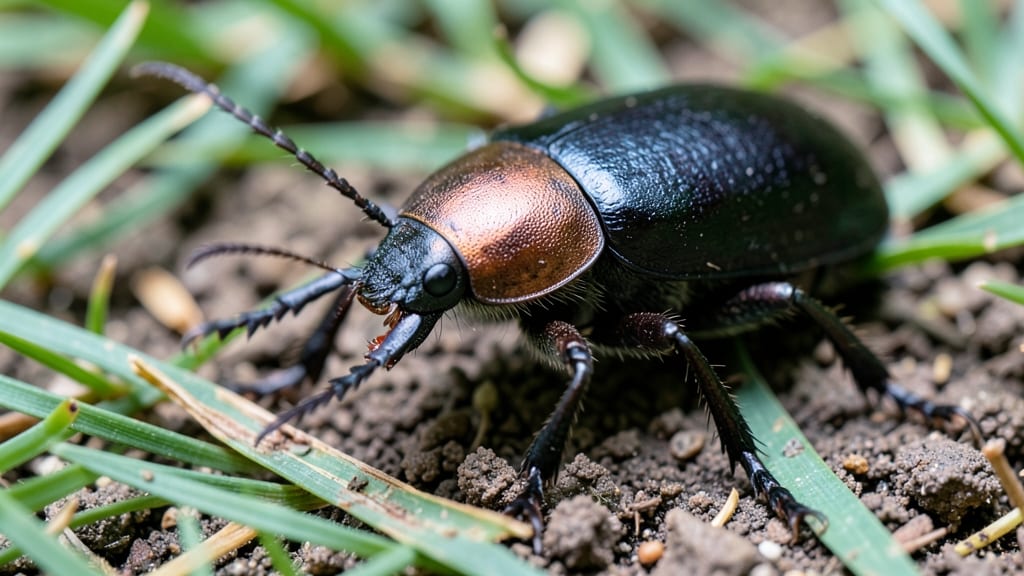
A single spray session can turn your lawn from grub-infested to lush green within 2 weeks—thanks to the natural grub killer for lawns that actually works. 🌱 I’ve battled grubs the old-fashioned way—digging up brown patches, only to watch them return—until I discovered this pet-safe, fast-acting solution that actually works.
No more chemical warfare; just targeted, organic action that protects your grass and your pets.
The secret lies in a three-step process: first, starve out existing grubs with a simple DIY spray, then introduce beneficial nematodes to finish the job, and finally, reinforce the lawn’s natural defenses.
Most grub treatments take months to show results—this one delivers visible improvement in under two weeks, and you won’t find a single chemical in the mix.
By the end, your lawn will be thick, vibrant, and grub-free, with no lingering toxins for kids or pets to encounter. The best part? This method works year after year, not just as a quick fix. Let’s get your grass back to its healthiest state—without the harsh side effects.
Here’s how to apply it the right way: even coverage is key, and timing matters. We’ll cover the full process so you avoid the mistakes that leave grubs hiding in plain sight. Ready to reclaim your lawn?
📚 In This Guide
- What you need
- Instructions
- Tips and common mistakes
- Wrapping up and next steps
What you need
- ● 1 gallon of water (room temperature or warm for better mixing)
- ● 1 tablespoon of dish soap (unscented, castile soap preferred—avoid citrus-based)
- ● 1 cup of horticultural oil (neem oil or refined mineral oil—100% pure)
- ○ 1 tablespoon of diatomaceous earth (food-grade) (optional but boosts effectiveness)
- ● 1 tablespoon of spinosad concentrate (derived from soil bacteria—pet-safe after drying)
- ● 1 spray bottle or pump sprayer (1–2 gallon capacity, preferably with a fine mist nozzle)
- ● Gloves and long sleeves (for handling oils and DE)
- ● Measuring cups and spoons (for precise mixing)
- ● Stirring stick or small whisk (to blend ingredients thoroughly)
- ● Garden hose with a spray nozzle (for rinsing tools and pre-moistening lawn if needed)
- ● Sunny, dry day (apply in the early morning or late afternoon to avoid burning grass)
- ● Pet-free zone for 24 hours post-application (until fully dry)
- ● 1 tablespoon of garlic or onion juice (natural repellent boost)
- ● Beneficial nematodes (Heterorhabditis bacteriophora) (living microbes that target grubs—apply separately)
- ● Lawn aerator (to improve spray penetration into soil)
Step-by-step instructions for creating a natural grub killer spray
Here's how to whip up a potent, pet-safe spray that tackles grubs fast without harsh chemicals.
🌱 Step 1: Gather and Mix the Natural Ingredients
Combine 1 gallon of water with 2 tablespoons of liquid dish soap (unscented) in a large spray bottle. The soap acts as a natural surfactant, helping the active ingredients penetrate the grubs' protective layers. Add 1 cup of vegetable oil—this smothers grubs by clogging their breathing pores while remaining harmless to pets and beneficial insects.
Next, stir in 4 tablespoons of diatomaceous earth (food-grade only). This fine powder damages the exoskeletons of grubs, causing dehydration over 24-48 hours. For extra potency, include 2 tablespoons of neem oil, which disrupts grubs' feeding and molting cycles. Shake vigorously to ensure everything blends completely—oil and water don't mix naturally, so this step is critical for effectiveness.
💧 Step 2: Apply the Spray at the Right Time and Conditions
Wait until early morning or late evening when temperatures are below 85°F and the lawn is dry. Grubs are most vulnerable when they're near the soil surface, typically after watering or light rain. Spray the mixture directly onto the lawn, focusing on areas with thinning grass, brown patches, or where moles are active—these are classic grub hotspots.
Use a fine mist setting on your sprayer to ensure even coverage. You'll need about 1 gallon per 500 square feet of lawn. Avoid overspraying—this solution works best when applied thinly and evenly. If you miss a spot, grubs will simply relocate there, reducing the spray's effectiveness.
☀️ Step 3: Reapply After Rain or Every 7-10 Days
Grubs are resilient, so reapplication is key. Rain will wash away the oil and diatomaceous earth, so check your lawn after 24 hours of rainfall and respray if needed. For severe infestations, repeat the treatment every 7-10 days until you see improvement—usually 3-4 applications will break the grub cycle.
Watch for visual cues of success: Healthy grass will start to fill in brown patches within 2-3 weeks, and you'll notice fewer mole tunnels or bird activity (both signs of grub feasts). If you see more grubs after treatment, the infestation may be deeper than anticipated—consider aerating the lawn to expose hidden larvae.
✂️ Step 4: Maintain Grub Prevention Long-Term
Once grubs are under control, switch to preventive measures to keep them from returning. Overseed your lawn in early fall with grub-resistant grass varieties like tall fescue or Kentucky bluegrass. These grasses have deeper roots that outcompete grubs for nutrients. Water deeply once a week (about 1 inch total) to encourage strong root growth—grubs thrive in drought-stressed lawns.
Add 1 cup of milled corn gluten meal to your lawn spreader in early spring (before grubs hatch). This natural pre-emergent disrupts their life cycle without harming existing plants. Repeat in late summer for continuous protection. The key is consistency—grubs don’t disappear overnight, but a proactive approach keeps your lawn lush and pest-free season after season.
Tips & tricks for perfect natural lawn grub control
Real talk: This spray works fast, but these small tweaks make all the difference between temporary relief and total grub elimination.
Mixing Precision: When combining the 1 cup of vegetable oil and 2 tablespoons of neem oil, use a clean, dedicated container—leftover oil residue can reduce effectiveness. I stir the mixture for full 2 minutes with a wooden spoon to ensure the diatomaceous earth disperses evenly. Uneven mixing means some areas of your lawn get the full treatment while others get diluted protection.
Timing Secret: The 24-48 hour window for diatomaceous earth to work is non-negotiable, but don't assume one application will solve everything. I've seen lawns with severe infestations need 4 applications spaced 7-10 days apart—this breaks the grub life cycle completely. For maximum impact, apply the first treatment right after a light rain when grubs are near the surface.
Application Technique: That fine mist setting isn't just about coverage—it's about penetration. Use a hose-end sprayer or backpack sprayer with a cone nozzle to direct the spray downward. Sideways spraying creates a film that washes away faster. I mark treated areas with flags so I don't accidentally miss spots during reapplication.
Visual Cues for Success: After your 3-4 applications, watch for these signs: grass blades should stand taller (grubs were eating roots), brown patches should fill in with green shoots, and you'll notice fewer birds digging in your lawn. If you see more grubs after treatment, they're likely coming from deeper soil—this means you'll need to aerate first to expose them.
Pro Tips for Natural Grub Killer For Lawns
- Real talk: This spray works fast, but these small tweaks make all the difference between temporary relief and total grub elimination.
- Mixing Precision: When combining the 1 cup of vegetable oil and 2 tablespoons of neem oil, use a clean, dedicated container—leftover oil residue can reduce effectiveness.
- Timing Secret: The 24-48 hour window for diatomaceous earth to work is non-negotiable, but don't assume one application will solve everything.
Frequently asked questions
Got questions about keeping your lawn grub-free the natural way?
Here are the answers to the most common concerns—so you can tackle pests without harsh chemicals.
How fast does a natural grub killer work compared to chemical sprays?
A natural grub killer like neem oil or diatomaceous earth typically takes 7–14 days to show results, depending on the severity of the infestation. While chemical sprays may act faster (within days), natural options are safer for pets, kids, and the environment. Reapply as needed for best results, and combine with other organic methods like milky spore for long-term control.
When is the best time of year to treat grubs naturally?
The ideal window is late summer to early fall (August–October), when grubs are young and most vulnerable. Early spring (April–May) is also effective, targeting overwintered larvae. Avoid treating during extreme heat or drought—grubs are easier to kill when soil moisture is moderate. Pro tip: Apply in the evening when pests are most active!
Are natural grub killers safe for dogs and cats?
Yes! Unlike synthetic pesticides, natural options like beneficial nematodes, neem oil, or milky spore are pet-safe once fully absorbed into the soil (typically within 24–48 hours). Always avoid direct contact with pets or plants they may chew. For extra caution, opt for pet-specific sprays or create a buffer zone until treatment dries.
Is DIY natural grub control cheaper than buying commercial products?
DIY solutions like cornmeal, coffee grounds, or homemade sprays (vinegar + dish soap) cost pennies per application. Commercial natural sprays (e.g., neem-based formulas) run $15–$30 per gallon but last longer. Over time, DIY methods save money and reduce chemical exposure. Bonus: Repurpose household items to cut costs further!
What should I do if grubs keep coming back after treatment?
Persistent grubs often signal poor soil health, overwatering, or untreated adjacent areas. Try these fixes:
- Improve drainage—grubs thrive in soggy soil.
- Encourage predators like birds or toads by adding mulch or native plants.
- Rotate treatments (e.g., nematodes one season, milky spore the next).
- Test your soil—pH imbalances can weaken natural defenses.
Can I use natural grub killers on vegetable gardens too?
Yes! Many natural grub killers—like beauveria bassiana (a fungus) or hand-picking grubs—are safe for edible plants. Avoid undiluted vinegar or citrus sprays, as they can harm crops. For gardens, focus on organic soil amendments (e.g., compost) to deter pests proactively. Always spot-test treatments on a small area first!
Wrapping up and next steps
Say goodbye to grub-infested lawns without harming your pets or the planet! 🌱 With the right natural grub killer, you can restore your yard to its lush, pest-free glory in no time.
The key is consistency—apply your chosen remedy, monitor progress, and repeat as needed to keep grubs at bay.
Ready to take action? Start small: test a patch of your lawn first, then expand your efforts. Your green space (and your furry friends) will thank you! 🐾