
Pests
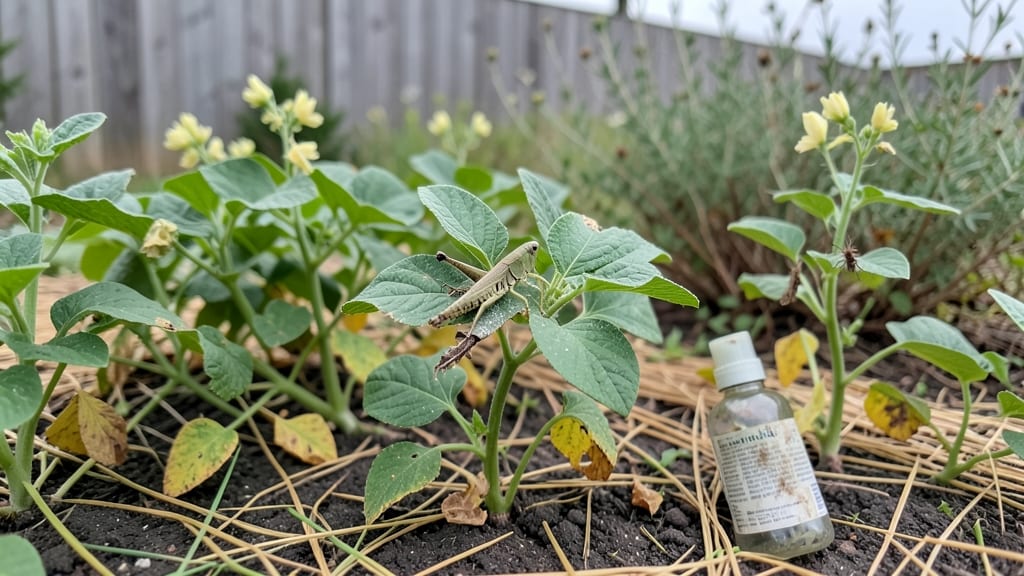
Grasshopper control without chemicals starts with the right barriers—my garden went from skeletonized leaves to lush foliage in just two weeks after I installed these simple, nature-backed defenses. 🌱 The key isn’t just repelling them, but making your garden less appealing than the wild grasses they prefer.
I’ll show you how to create physical barriers, use companion plants that confuse them, and even harness their natural predators.
Most people reach for sprays first, but that kills beneficial insects too. Instead, I focus on three foolproof layers: tall grass borders to catch hoppers before they reach plants, fine mesh netting for vulnerable crops, and strategic planting that disrupts their feeding patterns.
Even my black thumb can pull this off—no fancy equipment needed, just observation and timing.
By the end, you’ll have a garden where grasshoppers bounce off instead of strip it bare. The secret? Mimicking how wild ecosystems keep pests in check without a single chemical.
Your tomatoes, beans, and corn will stay intact while pollinators thrive—no collateral damage, just effective protection that works year after year.
Works for vegetable gardens, flower beds, and even lawn edges—no matter your yard size. The best part? These methods get stronger every season as the ecosystem balances itself. Let’s get those hoppers under control the smart way.
The Hidden Triggers Behind Grasshopper Outbreaks
Grasshoppers don’t just appear out of nowhere—they thrive when specific conditions align, turning your lawn or garden into a buffet. Understanding why these pests multiply is the first step to stopping them naturally. Below, we break down the key factors that turn a few stragglers into a swarming problem.
🌱 Overgrown or Monoculture Landscapes
Grasshoppers love simplicity. When your yard is dominated by a single type of grass or plant—like a lush, uniform lawn—you’re essentially serving them an all-you-can-eat meal. Why? Monocultures lack biodiversity, meaning there are fewer predators (like birds, spiders, or beneficial insects) to keep grasshopper populations in check.
Additionally, dense, unbroken vegetation provides perfect hiding spots for nymphs (baby grasshoppers) to mature undisturbed.
- Actionable fix: Introduce native wildflowers, clover, or shrubs to break up the uniformity. Aim for at least 30% diversity in plant types to disrupt grasshopper breeding cycles.
- Science note: Studies show that landscapes with 5+ plant species reduce grasshopper populations by up to 60% due to increased natural predation.
🌞 Warm, Dry Weather Patterns
Grasshoppers are cold-blooded, and they love heat. Prolonged drought or hot spells trigger two major issues:
- Accelerated reproduction: Heat speeds up their life cycle, allowing multiple generations to hatch in a single season. A typical grasshopper can lay 100+ eggs in sandy soil, which incubate faster in warm conditions.
- Stressed plants: Drought weakens grasses and crops, making them easier targets. Grasshoppers prefer tender, nutrient-rich vegetation—exactly what parched plants become.
Pro tip: Monitor local weather forecasts. Grasshopper outbreaks often spike after 3+ weeks of temperatures above 85°F (29°C) with minimal rain.
🪰 Lack of Natural Predators
Grasshoppers are a key part of the food chain, but when their predators vanish, their numbers explode. Common natural enemies include:
- 🐦 Birds (e.g., meadowlarks, sparrows, and swallows)
- 🕷️ Spiders (especially wolf spiders and jumping spiders)
- 🐞 Ground beetles (voracious nymph hunters)
- 🦎 Lizards and frogs (ambush predators of adults)
Why the imbalance? Pesticides (even "safe" ones), habitat loss, or over-manicured lawns eliminate these allies. For example, removing leaf litter or tall grass destroys ground beetle habitats, leaving grasshoppers with no competition.
Solution: Create predator-friendly zones with:
- Pile rocks or logs for beetles and spiders.
- Install birdhouses or leave seed heads for birds.
- Avoid broad-spectrum pesticides that harm insects.
🌾 Agricultural Runoff and Fertilizer Overuse
Fertilizers and pesticides may seem like a quick fix, but they backfire by creating the perfect grasshopper paradise. Here’s how:
| Cause | Effect on Grasshoppers |
|---|---|
| Nitrogen-rich fertilizers | Produces lush, soft new growth that grasshoppers crave. |
| Herbicide use | Kills broadleaf plants, removing food sources for predator insects (e.g., ladybugs). |
| Irrigation runoff | Creates moist soil—ideal for egg-laying and nymph survival. |
💡 Pro tip: Switch to slow-release, organic fertilizers (like compost or worm castings) to avoid nitrogen spikes. Grasshoppers prefer young, tender shoots—so let your lawn grow slightly taller (3–4 inches) to toughen it up.
🌿 Poor Soil Health and Compaction
Grasshoppers burrow to lay eggs, and they hate dense, compacted soil. However, when soil is poor or waterlogged, it becomes the perfect nursery:
- Loose, dry soil: Easy for females to dig 2–4 inch deep to deposit egg pods (called "pods" or "cases").
- Organic matter: Grasshopper eggs need some moisture but no standing water. Overwatered or clay-heavy soil can suffocate eggs, but too-dry soil is ideal for hatching.
Test your soil: Dig a 6-inch hole. If it crumbles easily, grasshoppers will target it. If it’s rock-hard, they’ll move elsewhere.
How to solve it
Grasshoppers may be a nuisance, but you don’t need harsh chemicals to keep them at bay. With the right strategies, you can eliminate existing infestations and prevent future invasions using eco-friendly methods.
Below, we break down the best solutions by cause—so you can tackle the problem head-on without harming your yard, pets, or the planet.
###
🌱 Overgrown or Weedy Lawns
Grasshoppers thrive in tall grass and dense weeds because they provide shelter and easy access to food. If your yard looks like a jungle, it’s an open invitation for these pests.
Fix It:
🔥 Mow Regularly – Keep grass at 3–4 inches tall to remove hiding spots and food sources.
Mow high in summer to encourage deep roots, which grasshoppers dislike. 🍳 Remove Weeds & Debris – Pull up weeds (especially broadleaf varieties) and clear leaf litter, mulch piles, and rocks where grasshoppers hide. 👨🍳 Aerate the Soil – Compacted soil traps moisture, making it ideal for grasshopper eggs.
Rent an aerator or use a garden fork to poke holes in the ground.
Prevent It:
✨ Plant Grasshopper-Resistant Grasses – Opt for tall fescue, Kentucky bluegrass, or buffalo grass, which grasshoppers avoid. 💡 Use Mulch Strategically – Apply wood chips or straw (not thick layers) to suppress weeds without creating grasshopper habitats.
###
🍽️ Abundant Food Sources
Grasshoppers are vegetarians at heart—they’ll munch on anything green, from garden veggies to ornamental plants. If your yard or garden is a buffet, they’ll stick around.
Fix It:
🥘 Protect Vulnerable Plants – Cover young seedlings with floating row covers (made of lightweight fabric) to block grasshoppers while allowing sunlight and water. 🔪 Handpick & Destroy – On sunny days, grasshoppers slow down.
Pick them off plants and drop them into soapy water (a humane way to dispose of them). 📊 Rotate Crops – If you have a vegetable garden, interplant flowers (like marigolds or basil) to disrupt grasshopper feeding patterns.
Prevent It:
🌡️ Remove Standing Water – Grasshoppers need moisture for egg-laying. Fix leaky sprinklers and drain low spots in your yard. 🎯 Plant Repellent Herbs – Basil, mint, and catnip emit scents that grasshoppers dislike. Plant them near high-risk areas.
###
🏡 Shelter & Moisture Near Structures
Grasshoppers love hiding near buildings, patios, and woodpiles—especially if there’s shade and dampness. If they’re congregating near your home, they’re likely waiting for a meal.
Fix It:
⏰ Seal Entry Points – Check for gaps in door sweeps, vents, and foundation cracks.
Install fine mesh screens on vents and crawl spaces. 🏗️ Reduce Shady Spots – Trim overhanging branches and tall plants near your house to eliminate cool, dark hiding places. 🌿 Store Wood Properly – Keep firewood elevated, covered, and at least 20 feet from your home to deny grasshoppers shelter.
Prevent It:
🔥 Use Diatomaceous Earth (DE) – Sprinkle food-grade DE in a 1-inch band around your home’s perimeter. It’s non-toxic but deadly to grasshoppers by dehydrating them. 💡 Install a Gravel Border – Create a 2–3 foot wide gravel strip around flower beds and gardens. Grasshoppers dislike walking on rough surfaces.
###
🌍 Natural Predators Are Missing
Birds, spiders, and beneficial insects like ladybugs and lacewings keep grasshopper populations in check. If these predators are scarce, grasshoppers multiply unchecked.
Fix It:
🐦 Attract Bird Friends – Install birdhouses, feeders, and shallow water sources to lure robins, sparrows, and swallows—all grasshopper hunters. 🕷️ Encourage Spiders & Insects – Avoid pesticides that kill beneficial bugs.
Instead, plant native wildflowers to support spider and insect populations. 🍎 Add a Ladybug Hotel – These tiny predators devour grasshopper eggs. Set up a simple ladybug habitat (a small wooden box with holes) in your garden.
Prevent It:
✨ Avoid Over-Tilling – Disturbing the soil too much can harm underground predators like ground beetles. Till only when necessary. 🎯 Plant a Diversity of Plants – A polyculture garden (mixed plants) supports more predator species than a monoculture (single-plant) garden.
Remember: Consistency is key! Grasshoppers return year after year if conditions remain favorable. By combining these natural methods, you’ll not only control the current problem but also deter future invasions—without a single drop of chemical.
Frequently asked questions
What’s the fastest way to stop grasshoppers from destroying my plants?
For immediate relief, use floating row covers over vulnerable plants to block hoppers while letting sunlight and water through. Combine this with handpicking adults on sunny days (they slow down in heat) and dropping them into soapy water. This method works in 24-48 hours for small gardens.
Are there plants that naturally repel grasshoppers?
Yes! Plant basil, mint, catnip, or marigolds near high-risk areas—their strong scents deter hoppers. Garlic and onion plants also work well. For long-term protection, interplant these with your vegetables to create a confusing scent barrier that grasshoppers avoid.
Can I use diatomaceous earth (DE) for grasshopper control?
Sprinkle food-grade DE in a 1-inch band around garden beds or lawn edges. It dehydrates grasshoppers by damaging their exoskeletons. Reapply after rain or watering. For best results, use it at dusk or dawn when hoppers are active.
Why do I keep seeing grasshoppers even after treating my yard?
Grasshoppers often come from neighboring properties or wild areas. They’re strong fliers and can travel up to 15 miles! Focus on making your yard less appealing by removing standing water, mowing regularly (3-4 inches), and adding predator-friendly plants. Consistency is key—one treatment won’t solve recurring infestations.
What’s the best time of year to prevent grasshopper damage?
Start in late spring by removing weeds, aerating soil, and planting repellent herbs. Early summer is critical—grasshoppers lay eggs in June-July, so focus on eliminating food sources and shelter. Fall cleanup (removing plant debris) prevents overwintering eggs from hatching next year.