
Lawn
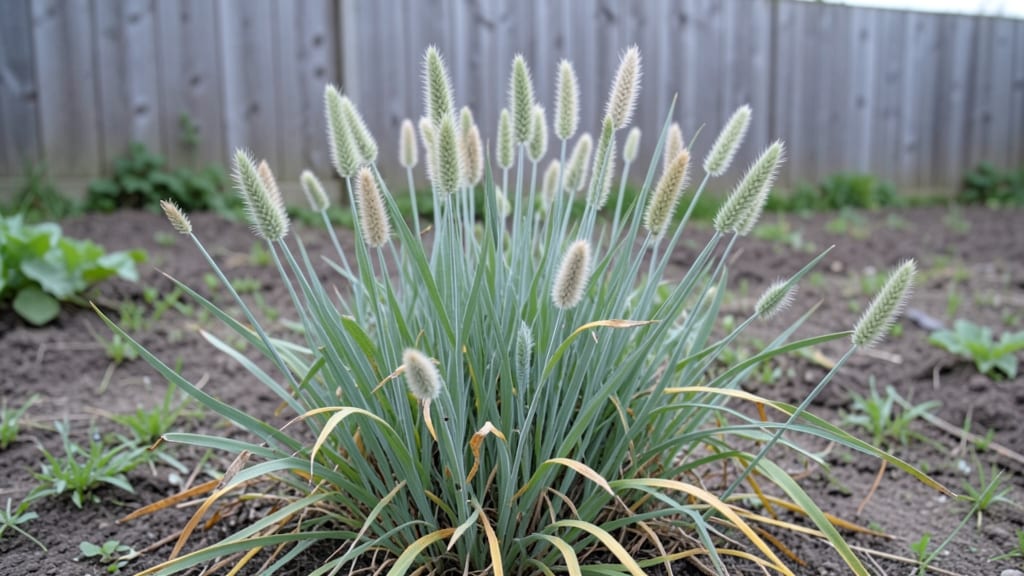
Your lawn’s fuzzy-topped grass isn’t just a pretty texture—it’s a game-changer for curb appeal and ecosystem health, whether it’s ornamental fescue 🌱 or a wild surprise.
That velvety, fuzzy grass covering your lawn isn’t just a quirky texture—it could be a rare ornamental variety or an unexpected weed. Identifying and caring for fuzzy-topped grass transforms your yard into a lush, conversation-starting landscape, but only if you know what you’re dealing with.
For USDA Zone 6a gardeners, planting in late August to early October ensures your fuzzy grass thrives through fall’s crisp air. The right care—like deep watering and strategic pruning—keeps those soft tops fluffy year-round, even as it grows from 6 inches to 2 feet tall.
Here’s how to tell your fuzzy grass apart, nurture its unique texture, and choose the best varieties for your space—so your lawn becomes the envy of the neighborhood.
Identifying grass with fuzzy top: common types & key characteristics
Spotting grass with fuzzy tops in your yard can spark excitement—or confusion. That soft, velvety texture often belongs to ornamental grasses like Miscanthus or Pennisetum, prized for their texture and movement.
But it might also signal an invasive species like Nassella tenuissima (Mexican feather grass), which can spread aggressively if left unchecked. Knowing the difference ensures you provide the right care—or remove it before it takes over.
Start by examining the leaf structure. Ornamental fuzzy grasses typically have arching stems and plumed seed heads, while invasive types often feature thin, wiry leaves and clumping growth habits.
Pay attention to the color and texture of the foliage—some varieties boast silvery-blue hues, while others lean toward golden or deep green. These visual cues are your first clues for accurate identification.
Comparison is key. Below, I’ve outlined the most common fuzzy-topped grasses you’ll encounter, along with their defining traits. Use this as your quick-reference guide to distinguish between desirable ornamentals and unwanted intruders.
⚠️ Warning: Never assume a fuzzy grass is harmless. Some, like Imperata cylindrica (cogon grass), can dominate landscapes and disrupt ecosystems. Always verify before planting or keeping.
Take a closer look at the seed heads. Ornamental grasses like Miscanthus often produce arching plumes that sway in the breeze, while invasive species may have denser, cotton-like clusters that cling to clothing or fur.
This distinction is critical—some fuzzy grasses are designed for texture and movement, while others are aggressive spreaders that can smother native plants.
Next, observe the root system. Most ornamental fuzzy grasses form clumps with shallow roots, making them easy to divide or transplant. Invasive types, however, often send out rhizomes or runners, allowing them to colonize large areas quickly.
Digging up a small section to inspect the roots can confirm whether your fuzzy grass is a desirable addition or a potential problem.
Don’t overlook the climate and location where you spotted the grass. Miscanthus, for example, thrives in USDA zones 5-9 and prefers full sun, while Nassella tenuissima adapts to dry, arid conditions.
If your fuzzy grass is growing in an unexpected spot—like a shady corner or wet area—it’s more likely to be an invasive species adapted to those conditions.
For a definitive ID, snap a photo and compare it to online databases like the USDA Plants Database or iNaturalist. Include details like leaf width, seed head shape, and growth height in your search. Local
How to care for fuzzy-topped grass: watering, pruning & soil needs
Caring for fuzzy-topped grass is all about preserving that signature velvety texture while keeping the plant healthy. These grasses—like Miscanthus or Pennisetum—thrive with the right balance of moisture, pruning, and soil conditions.
The key is mimicking their natural habitat without overdoing it, since too much water or heavy-handed pruning can strip away their signature fuzzy appeal.
Your first priority should be watering consistency. Unlike turfgrass, ornamental fuzzy grasses often have moderate drought tolerance once established, but their soft tops need protection from drying out.
Aim for deep watering 1-2 times per week during dry spells, focusing on the root zone rather than wetting the foliage to prevent fungal issues.
Essential Care Steps for Fuzzy-Topped Grass
- 💧 Watering: Deep soak weekly in summer, bi-weekly in winter—never let soil dry completely. Use drip irrigation to avoid wetting fuzzy tops.
- ✂️ Pruning: Cut back dead foliage in early spring before new growth starts. For Miscanthus, leave seed heads for winter interest unless they’re brown and unsightly.
- 🌱 Soil Needs: Amend with compost or peat moss for well-draining, slightly acidic soil (pH 6.0-7.0). Avoid heavy clay, which suffocates roots.
- ☀️ Sunlight: Most fuzzy grasses need full sun (6+ hours), but varieties like Carex tolerate partial shade. Watch for bleached tips if sun exposure is too intense.
- ❄️ Seasonal Care: In winter, leave dried seed heads for texture, but remove them in late winter to encourage fresh growth.
When it comes to pruning fuzzy-topped grass, timing is everything. Never trim more than one-third of the plant at once, or you risk exposing bare stems.
For Pennisetum varieties, you can shear lightly in early summer to encourage bushier growth, but avoid cutting into old stems—this removes next year’s seed heads.
Soil amendments make a world of difference for fuzzy grasses. If your soil is compacted or nutrient-poor, mix in organic matter like compost or coconut coir. These grasses also appreciate a light layer of mulch (2-3 inches) to retain moisture and regulate temperature. Avoid synthetic fertilizers, which can lead to rapid, leggy growth that sacrifices texture.
Adjust your care routine seasonally. In spring, focus on removing dead growth and applying a balanced fertilizer (10-10-10) to fuel new foliage. By fall, reduce watering and stop fertilizing to prepare the plant for dormancy.
With the right approach, your fuzzy-topped grass will reward you with year-round interest and minimal fuss.
Pro tip: If your fuzzy grass starts looking leggy or sparse, it’s often a sign of over-fertilizing or poor drainage. Scale back on nutrients and check for water pooling after rain. Healthy fuzzy grass should have plump, upright stems and a dense, velvety crown—never wispy or yellowing.