
Lawn
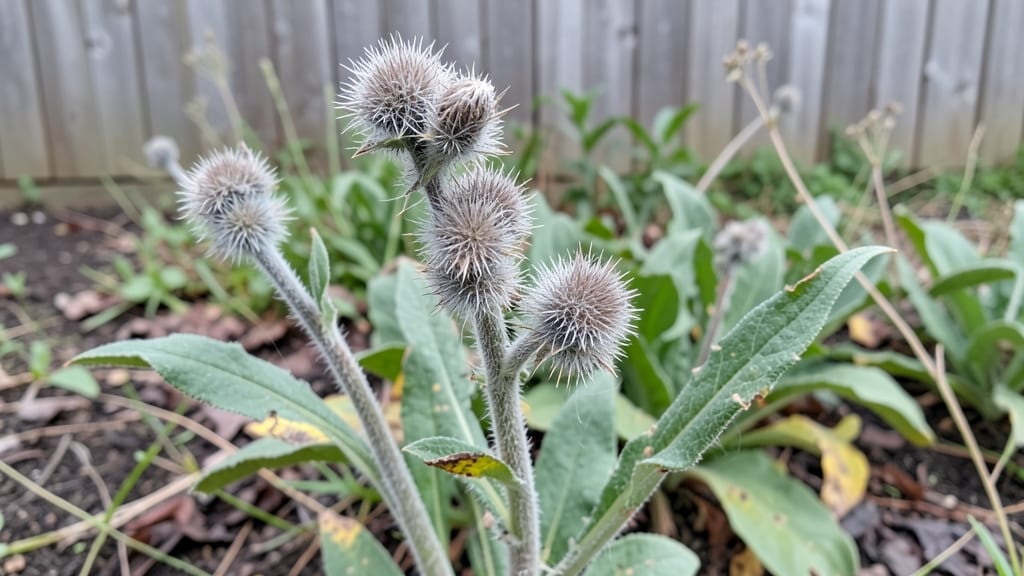
Those round spiky balls popping up in your grass aren’t just an eyesore—they’re nutgrass, a tenacious weed that spreads fast and chokes out your lawn.
If your lawn is suddenly dotted with clusters of round, spiky seed heads that look like tiny footballs, you’re likely dealing with nutgrass—a stubborn weed that can take over your yard if left unchecked. Identifying and removing it naturally is key to reclaiming your grass without harsh chemicals.
This spring is your best shot to tackle it before it spreads. I’ll walk you through how to spot it, pull it out for good, and keep your lawn healthy so it doesn’t come back.
By the end, you’ll know the easiest ways to get rid of nutgrass without chemicals, plus tips to stop it from creeping back in.
How to identify nutgrass (round spiky balls in your lawn)
If you’ve noticed clusters of round spiky balls popping up in your lawn, you’re likely dealing with nutgrass (Cyperus rotundus), a tenacious perennial weed that spreads aggressively.
These seed heads resemble tiny footballs and are a dead giveaway, but nutgrass can also mimic other weeds like crabgrass or nut sedge in its early stages. The key to eradicating it starts with accurate identification.
Nutgrass thrives in warm climates and loves disturbed soil, often appearing after construction or heavy foot traffic. Its triangular stems and smooth-edged leaves further distinguish it from grassy weeds.
Unlike grass, nutgrass belongs to the sedge family, which means its stems are solid and triangular when cut lengthwise—a quick field test to confirm your suspicion.
The seed heads are the most recognizable feature, forming in clusters of 3-6 round, spiky balls that turn from green to brown as they mature. These seed heads can remain dormant in the soil for years, making nutgrass especially hard to eliminate.
If you’ve seen these football-like clusters before, you know how stubborn they are once established.
Here’s a quick visual guide to confirm your identification before taking action:
| Feature | Nutgrass (Cyperus rotundus) | Common Misidentification |
|---|---|---|
| Stem Shape | Triangular (solid when cut) | Round (hollow, like grass) |
| Leaf Edges | Smooth, V-shaped | Rough or serrated |
| Seed Heads | Round, spiky balls (3-6 clusters) | Flattened or elongated |
| Growth Pattern | Forms dense patches | Scattered or random |
| Soil Preference | Disturbed, compacted, or sandy | Rich, well-drained |
One of the most common misidentifications is confusing nutgrass with crabgrass, which has flat, finger-like seed heads instead of round balls. Another lookalike is goosegrass, which produces small, spiky seed clusters but lacks the triangular stems.
To double-check, dig up a small section of the plant and examine the root system—nutgrass has thick, creeping rhizomes that spread underground.
Nutgrass often emerges in late spring when soil temperatures rise, making it easier to spot before it spreads. Pay attention to areas with poor drainage or heavy foot traffic, as these are prime spots for nutgrass to take hold.
If you’ve noticed these round spiky balls in your lawn, act quickly—nutgrass can double its spread in a single growing season if left unchecked.
Another key identifier is the aromatic smell when you crush the leaves—nutgrass releases a slightly sweet, nutty odor, unlike most grasses. This scent is most noticeable on warm, sunny days when the plant’s oils are most active.
If you’ve ever pulled up a weed and smelled something similar to fresh-cut almonds, you’ve likely encountered nutgrass.
Once you’ve confirmed it’s nutgrass, the next step is removal. Unlike annual weeds, nutgrass is perennial, meaning it regrows from its underground tubers and rhizomes. Simply pulling the plant won’t work—you’ll need to dig out the entire root system to prevent regrowth.
In my experience, a hand trowel and some elbow grease are your best tools for this job.
If you’re still unsure whether those round spiky balls are nutgrass, consider taking a photo and comparing it to online resources or consulting your local cooperative extension service. Accurate identification is the first step to reclaiming your lawn without accidentally harming desirable plants.
Once you’ve confirmed it’s nutgrass, you’re ready to tackle it with targeted, natural removal methods.
🌱
Natural methods to remove nutgrass without chemicals
Nutgrass thrives in lawns and garden beds, spreading aggressively through its round spiky seed heads that resemble tiny footballs. Unlike annual weeds, nutgrass produces underground tubers, making it nearly impossible to eliminate with a single treatment.
The good news? You can remove nutgrass naturally using targeted, eco-friendly methods that protect your lawn and soil.
Manual removal is the most effective first step, but it requires persistence. Followed by vinegar-based herbicides and preventive soil treatments, you can break nutgrass’s life cycle.
The key is acting before seed heads mature—once those spiky balls form, the weed has already spread its roots deep into your yard.
Manual Removal
Pull nutgrass early in the morning when soil is moist. Use a weed puller or fork to extract underground tubers. Check for remaining root fragments—even small pieces can regrow.
Vinegar Treatment
Mix 1 gallon of white vinegar with 1 cup of salt and 1 tbsp dish soap. Spray directly on nutgrass on a sunny day. The acetic acid kills the plant within 24-48 hours.
Corn Gluten Meal
Apply corn gluten meal to your lawn in early spring to prevent new nutgrass seeds from germinating. It’s a natural pre-emergent herbicide that also feeds your grass.
Soil Solarization
For severe infestations, cover the area with clear plastic sheeting for 4-6 weeks during hot weather. The sun’s heat kills tubers and seeds without chemicals.
Preventive Mulching
Apply 3-4 inches of mulch (straw or wood chips) to garden beds to block sunlight and prevent nutgrass from sprouting. Replenish mulch seasonally.
After removing nutgrass, monitor your lawn closely for new growth. Nutgrass can lie dormant for years, so repeat treatments may be necessary. For best results, combine manual removal with soil health improvements, like aerating and overseeding with dense, competitive grass.
If nutgrass persists, consider boiling water treatments for small patches. Pour 2 quarts of boiling water directly on the roots—this kills the plant instantly while being pet-safe once cooled.
With patience and consistency, you can eliminate nutgrass naturally and restore your lawn’s health without chemicals. The key is acting fast and staying vigilant—those spiky seed heads won’t stand a chance! 🌱