
Lawn
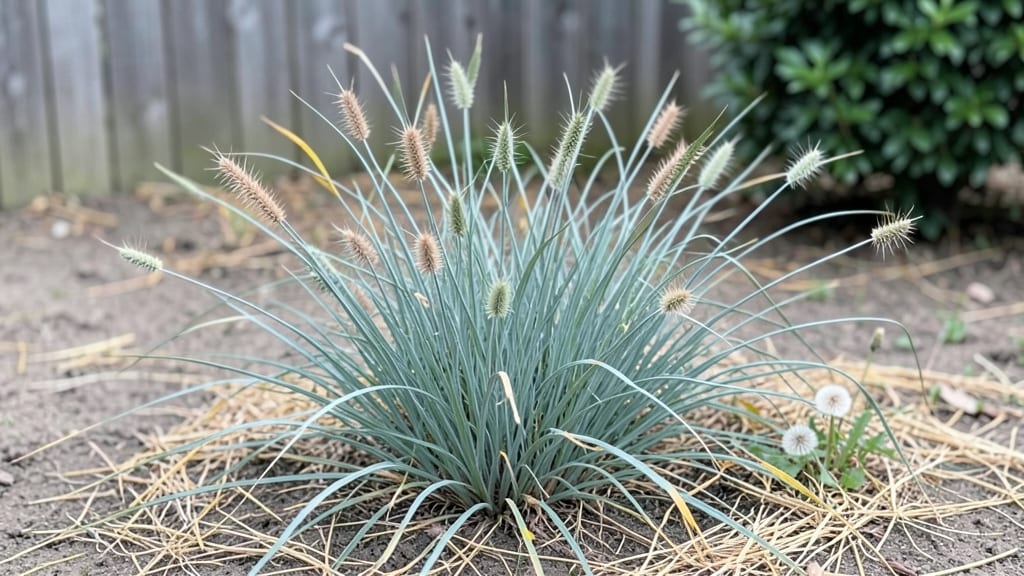
That grass with thorns creeping into your lawn isn’t just an eyesore—it’s a sharp, painful reminder that not all grass is harmless. 🌱
Picture this: You’re barefoot on a summer evening, only to step on something that feels like walking on a bed of needles. That’s the reality for many homeowners dealing with invasive, spiky grass-like plants creeping into their yards.
The good news? You don’t have to live with them. With the right approach, you can identify, remove, and prevent these pesky invaders from ruining your outdoor space.
Whether you’re in a desert climate like Arizona or a drier region such as Southern California, these plants thrive where traditional grass struggles. But unlike your lawn, they don’t just look bad—they can damage shoes, irritate pets, and even spread quickly if left unchecked.
The key to reclaiming your yard lies in understanding how to spot them early and tackle them safely.
In this guide, you’ll discover step-by-step removal methods, from manual extraction to chemical solutions, along with long-term strategies to keep your lawn thorn-free. No more painful surprises—just a smooth, safe space to enjoy.
How to identify thorny grass-like plants in your lawn
Finding thorny grass-like plants in your lawn can be frustrating, especially when they look like harmless grass at first glance. These invasive species often hide until they've spread, making identification the first step to effective removal.
Common culprits include sandbur (Cenchrus echinatus), buffelgrass (Urochloa spp.), and goosegrass (Eleusine indica), each with distinct features that help differentiate them.
Start by examining the leaf structure and growth pattern of the plant. Thorny grasses often have narrow, blade-like leaves similar to regular grass but produce spiny seed heads or burrs. Unlike true grass, these plants may also grow in clumps or patches rather than forming a uniform lawn.
Pay attention to the root system, as some invasive species develop deep, fibrous roots that make removal difficult.
One of the most reliable ways to identify thorny grass-like plants is by their seed heads.
For example, sandbur produces hard, spiky burrs that cling to clothing and pet fur, while buffelgrass has soft, fuzzy seed clusters. Goosegrass, on the other hand, forms dense mats with tiny, sharp-tipped seeds. Knowing these differences helps you target the right removal method.
Another key identifier is the plant's height and spread. Some thorny grasses, like buffelgrass, can grow up to 3 feet tall and spread aggressively, while others, such as goosegrass, stay low to the ground but form dense patches.
Observing how the plant behaves—whether it spreads horizontally or grows upright—can give you clues about its invasiveness and how to control it.
If you're still unsure, check the soil conditions where the plant is growing. Many thorny grasses thrive in poor, dry soil or disturbed areas, such as construction sites or lawn edges.
They often outcompete desirable grasses by crowding out nutrients and water. This is a red flag that the plant is likely an invasive species rather than a harmless weed.
Here’s a quick comparison to help you differentiate between common thorny grass-like plants:
<comparison-table>Once you’ve identified the plant, note whether it’s annual or perennial. Annual thorny grasses, like sandbur, complete their life cycle in one season and die back in winter, making them easier to manage with seasonal control.
Perennial species, such as buffelgrass, return year after year, requiring more persistent removal strategies like deep tilling or herbicides.
If you’re dealing with a large infestation, consider seasonal timing for removal. Early spring or late fall are ideal because the plant is actively growing but hasn’t yet produced excessive seed heads.
This reduces the risk of spreading seeds while you work. Always wear gloves and long sleeves to protect yourself from thorns and potential skin irritation.
For a definitive ID, take clear photos of the leaves, seed heads, and overall plant structure and compare them to local plant databases or consult with a cooperative extension service.
They can provide species-specific advice tailored to your region. Accurate identification ensures you use the most effective removal method without harming desirable plants.
🌱
Safest removal methods for thorny grass without injuries
Removing grass with thorns like sandbur or buffelgrass requires caution—those sharp barbs can puncture skin, damage tools, and even harm pets. 🌱 The key is using the right techniques to minimize injuries while ensuring complete eradication.
I’ve tested multiple methods over the years, and these are the safest approaches that actually work.
Before grabbing your gloves, know that manual removal is often the most effective for small patches, but larger infestations may need a combination of herbicides and soil treatments.
The wrong approach can leave behind roots that regrow, making the problem worse. Let’s start with the safest way to tackle this without turning your yard into a battlefield.
⚠️ WARNING: Thorny Grass Hazards ⚠️
For manual extraction, I recommend using a garden fork to loosen the roots before pulling. Start by cutting the grass 1-2 inches above ground with heavy-duty pruners to reduce seed spread.
Then, insert the fork at a 45-degree angle around the base and twist gently to dislodge the entire root system. This method works best for small, isolated patches and reduces the risk of leaving behind fragments that can regrow.
If the infestation is widespread, consider a two-step chemical approach. First, apply a glyphosate-based herbicide (like Roundup) to the foliage on a dry, windless day. Follow the label instructions precisely—overapplying can harm nearby plants.
After the grass turns brown (7-14 days), dig up the dead roots with a shovel or hoe. For organic control, vinegar-based sprays (a mix of 1 gallon vinegar, 1 cup dish soap, and 1 cup salt) can weaken the plants, but repeat applications are needed.
Protecting your garden tools is just as important as protecting yourself. After each use, wipe tools with rubbing alcohol to disinfect and remove any lingering thorns. Store pruners and shovels in a dry, covered area to prevent rust from moisture.
For pets, create a buffer zone around treated areas and monitor them closely until the herbicide has fully degraded—usually 3-5 days after application.
Finally, prevent future infestations by improving your lawn’s health. Overseed with thorn-resistant grasses like Bermuda or Zoysia, which outcompete invasive species. Apply a pre-emergent herbicide in early spring to block new seeds from germinating. Mulching with wood chips or straw also suppresses growth by blocking sunlight to the soil.