
Pests
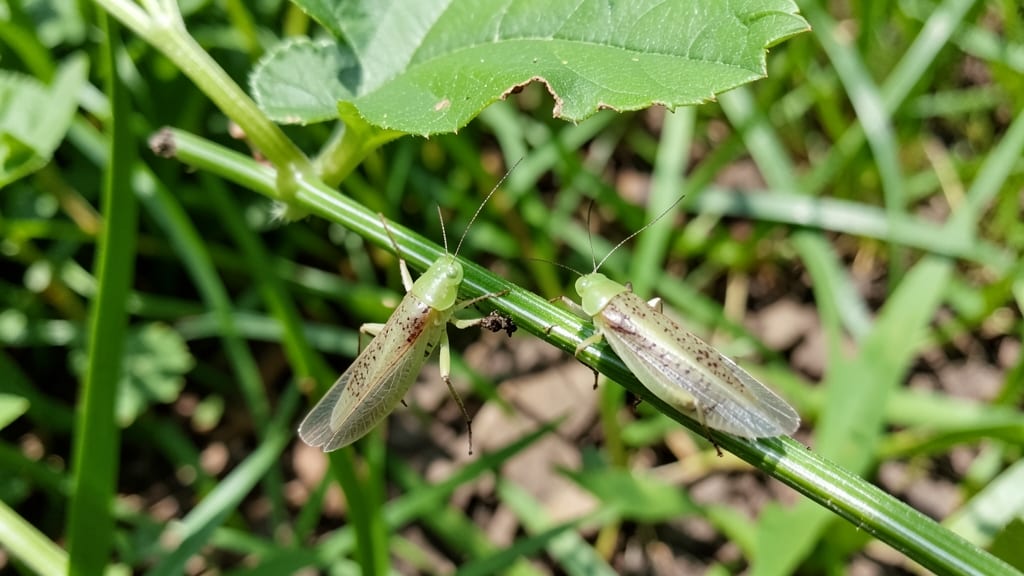
Green grass bugs are the silent saboteurs of your lawn’s pride—those tiny invaders that turn lush green into patchy despair before you even notice. 🌱 I’ve spent too many afternoons watching my yard go from vibrant to victimized, and I finally cracked the code on natural barriers that actually work.
The key isn’t just sprays or poisons; it’s smart, proactive layers that bugs can’t chew through.
Chinch bugs, armyworms, and grasshoppers all have one thing in common: they hate disruption. A mix of diatomaceous earth around the yard’s edge, neem oil sprays timed right after rain, and tall native grasses as buffer zones creates a fortress they can’t breach.
No fancy equipment needed—just a hose, a broom, and a little patience. The best part? These methods keep working long after the bugs move on.
You’ll see results within 2-3 weeks: fewer brown patches, fewer skips in the mow, and a lawn that looks like it’s been professionally pampered—not just sprayed.
The secret’s in the details: when to apply treatments, which plants repel which pests, and how to spot early signs before they become a full-blown invasion. Trust me, your grass will thank you.
Works for homeowners, rental properties, or even small yards—no matter the size, these barriers adapt. The upfront effort pays off in less maintenance, fewer chemicals, and a lawn that stays green when others give up. Let’s get those bugs out for good.
Root Causes Of Grass Invaders
When your lawn turns into a buffet for tiny green pests, it’s rarely just bad luck—it’s usually a mix of environmental factors, lawn care habits, and even the plants themselves sending out distress signals.
Understanding why these critters show up is the first step to keeping them away for good. Let’s break down the science behind their uninvited visits.
🌱 Overwatered or poorly drained lawns
Grass bugs—like chinch bugs, sod webworms, or armyworms—love moisture, but too much of it creates the perfect breeding ground. Here’s why:
- Stagnant water: Overwatering or compacted soil prevents proper drainage, leaving puddles where eggs thrive. Bugs like sod webworms thrive in damp, thatchy grass because their larvae feed on roots in saturated soil.
- Fungal growth: Excess moisture encourages fungi (like gray leaf spot), which weaken grass. Weak grass = easier meals for pests.
- Thatch buildup: A thick thatch layer (dead grass roots) traps moisture, creating a cozy hideout for bugs like chinch bugs, which lay eggs in the thatch.
Actionable fix: Test your soil’s drainage (dig a 6-inch hole—if water pools after 6 hours, you’ve got poor drainage). Adjust watering to deep but infrequent sessions (1–1.5 inches per week) and aerate compacted soil in spring/fall.
🌾 Nutrient-deficient or stressed grass
Bugs target weak grass like vultures circle a carcass. When your lawn lacks key nutrients, it becomes an easy snack. Here’s the breakdown:
| Nutrient Deficiency | Grass Stress Signal | Attracts These Bugs |
|---|---|---|
| Low nitrogen (N) | Pale, yellowing grass (stunted growth) | Grubs (white larvae that chew roots) |
| Low potassium (K) | Brown patches, weak roots | Chinch bugs (pierce stems to suck sap) |
| Low phosphorus (P) | Slow root development | Armyworms (devour weakened blades) |
Why it happens: Stressed grass produces volatile organic compounds (VOCs) that some insects detect as a “help yourself” sign. For example, armyworms use pheromones to locate stressed turf, then strip it bare in days.
Actionable fix: Get a soil test (DIY kits cost ~$20) and amend with a balanced fertilizer (look for NPK ratios like 16-4-8). Over-seed bare spots in fall to crowd out pests.
🌿 Monoculture lawns (all one grass type)
Ever notice how bugs swarm a single crop field but ignore a diverse garden? The same principle applies to lawns. Here’s the science:
- Lack of biodiversity: Most lawns are monocultures (e.g., all Kentucky bluegrass or Bermuda). Bugs specialize in specific grasses, so they overpopulate when their favorite food source dominates.
- No natural predators: Diverse lawns support beneficial insects (like ladybugs or ground beetles) that eat grass pests. Monocultures offer no habitat for these helpers.
- Weak genetic resistance: All plants from the same seed batch have identical vulnerabilities. If one bug strain evolves to resist a grass type, your entire lawn is at risk.
Actionable fix: Mix grass types (e.g., fescue + clover) for resilience. Add native wildflowers or creeping thyme (a bug-repelling ground cover) to edges. Even a 10% diversity boost disrupts pest cycles.
🌞 Heat or drought stress
When grass wilts under the sun, it releases chemical stress signals that attract pests. Here’s the chain reaction:
- Grass wilts → Cells rupture, releasing sugars and amino acids (like a free lunch for bugs).
- Bugs detect these compounds via antennae receptors tuned to stressed plants.
- Pests like grubs or cutworms migrate in to feast on the weakened turf.
Why it’s worse in drought: Drought-stressed grass overproduces ethylene gas, a plant hormone that attracts insect herbivores as a survival tactic (yes, plants “scream” for help).
Actionable fix:
- Water deeply (6–8 inches into soil) every 3–4 days in summer to encourage deep roots.
- Use mulch (straw or wood chips) to retain moisture.
- Choose drought-tolerant grasses like buffalo grass or zoysia if you’re in a dry climate.
🍄 Fungal or disease pressure
Fungi like dollar spot or red thread don’t just discolor grass—they alter its chemistry to lure in secondary pests. Here’s how:
- Fungi weaken cell walls → Bugs like sod webworms can chew through grass blades effortlessly.
- Some fungi produce “kairomones” (chemical signals) that attract insect predators to feed on the fungus—and your grass.
- Dark, moist conditions (perfect for fungi) are also ideal for grub and maggot development.
Actionable fix:
- Rake up thatch (keep it under ½ inch thick) to improve airflow.
- Apply copper-based fungicides in early spring if fungal diseases recur.
- Avoid over-fertilizing with nitrogen in summer (it fuels fungal growth).
🐝 Lost beneficial insect habitats
Lawns without clover, dandelions, or wildflowers lose their natural pest control. Here’s the ecosystem breakdown:
| Missing Habitat | Beneficial Insect Lost | Pest It Controls |
| No flowers | Ladybugs (need pollen) | Aphids, mites |
| No leaf litter | Ground beetles (hunt grubs
Practical Ways to Stop Grass InvadersDiscovering tiny green invaders nibbling your lawn can be frustrating, but the good news is that most of these pests can be managed—without harsh chemicals. Below, we’ve mapped out targeted solutions based on the most common causes of green grass bugs, along with simple prevention tips to keep your lawn healthy and pest-free. 🌱 Overwatered or Damp Grass? Fix It NowIf your lawn is soggy or overwatered, it’s a buffet for fungus gnats, slugs, and other moisture-loving pests. Here’s how to dry things out and deter them: 🔥 Reduce Watering Immediately
👨🍳 Improve Drainage
🥘 Natural Drying Agents
💡 Pro Tip: If fungus gnats are the issue, let the top inch of soil dry out between waterings—they thrive in constantly wet conditions. 🍃 Thatch Buildup? Break It DownA thick layer of thatch (dead grass and roots) traps moisture and pests like chinch bugs and armyworms. Here’s how to thin it out: 🔪 Dethatch Your Lawn
🌡️ Encourage Beneficial Microbes
✨ Prevention Hack: Mow high (3–4 inches) to shade the soil and reduce thatch accumulation. 🐛 Chemical-Free Pest ControlIf you’ve already got an infestation, these targeted (and eco-friendly) methods will help: 🍳 Homemade Sprays for Soft-Bodied Bugs
🔪 Manual Removal for Large Pests
🎯 Natural Predators to the Rescue
🛡️ Long-Term Prevention ChecklistStop pests before they start with these easy habits:
With these strategies, your lawn can go from a pest magnet to a thriving, bug-resistant green space. Start with the fixes that match your lawn’s current issues, and soon you’ll be enjoying a healthier yard—without the unwanted guests. Frequently asked questions about green grass pests
1
What are the most common green grass bugs I should watch for?The most troublesome green invaders include chinch bugs (tiny, black-and-white with green nymphs), armyworms (green caterpillars that skeletonize grass), and grasshoppers. Look for irregular brown patches or chewed blades—these are classic signs of their activity.
2
How do I tell if brown patches are from bugs or drought?Check the roots: if they’re healthy but blades are chewed or have tiny holes, it’s likely bugs. For drought, roots will be shallow and dry. Dig up a small section—if you find white grubs or tiny black bugs, pests are the culprit.
3
Are there natural repellents that actually work against green grass bugs?Yes! Neem oil spray disrupts their life cycles, while diatomaceous earth dehydrates soft-bodied pests like armyworms. Planting marigolds or catnip around your lawn also deters many common invaders. Reapply after rain for best results.
4
When is the best time to treat for green grass bugs?Early morning or late evening is ideal—bugs are most active then. For prevention, treat in late spring (before eggs hatch) and early summer (when nymphs emerge). If you spot damage, act immediately to prevent spread.
5
Will my lawn recover if I get rid of the bugs?Grass is resilient. Once pests are gone, focus on proper watering (deep but infrequent), fertilizing (balanced NPK), and over-seeding bare spots. Within 4-6 weeks, your lawn should bounce back fully. |