
Lawn
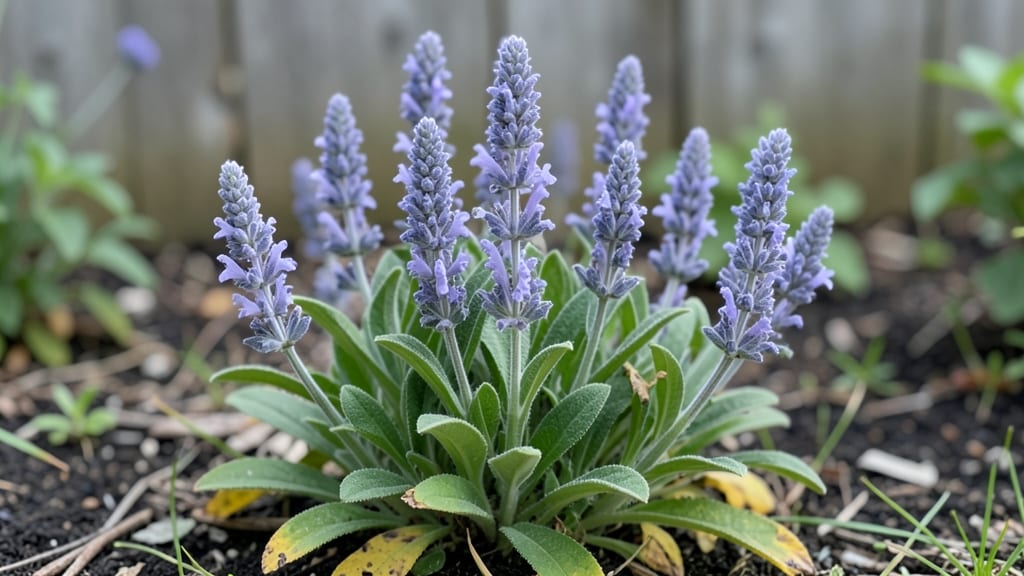
Creating a striking contrast with green grass and purple flowers is the secret to a garden that looks like a postcard—no matter how much shade your yard gets.
Imagine stepping into your garden and seeing vibrant purple blooms peeking through lush green grass—a bold combo that turns even the dullest corner into a showstopper. The best part? These plants thrive with minimal fuss, making them perfect for busy gardeners who still want drama.
Catmint (Nepeta) 🌸 is one of my top picks for this look, thanks to its hardy nature and stunning lavender blooms that pop against green grass. But there are plenty of other low-maintenance options that bring that same eye-catching contrast, from salvia to cleome.
Below, I’ll share the easiest ways to mix these colors, where to plant them for maximum impact, and how to keep everything thriving—no green thumb required.
Top 7 purple-flowered plants that thrive in shade with green grass
Creating a shade garden with green grass as your canvas and purple flowers as the star is easier than you think. These bold purple blooms not only thrive in low-light conditions but also create a striking contrast against lush green grass.
Whether you're working with a woodland garden, a north-facing yard, or a shady patio, these 7 shade-loving plants will bring year-round color without demanding constant care.
One of my favorite combinations is purple asters and creeping thyme—the thyme's trailing green foliage peeks through while the asters' deep purple blooms stand tall. This textural contrast works beautifully in partial shade and requires minimal upkeep.
Let’s dive into the top 7 purple-flowered plants that will make your shade garden pop with color while keeping your green grass looking pristine.
🚨 summary table 🚨
| Plant Name | Sunlight Needs | Water Needs | Mature Height | Bloom Season |
|---|---|---|---|---|
| Purple Coneflower (Echinacea) | Partial shade to full sun | Moderate (1 inch/week) | 2-4 feet | Summer to fall |
| Bleeding Heart (Dicentra) | Partial to full shade | Consistent moisture | 1-2 feet | Spring |
| Catmint (Nepeta) | Full sun to partial shade | Drought-tolerant | 1-3 feet | Spring to fall |
| Lungwort (Pulmonaria) | Full to partial shade | Moderate (keep soil moist) | 1-2 feet | Early spring |
| Salvia (Purple Varieties) | Partial shade | Low to moderate | 1-4 feet | Summer |
| Japanese Painted Fern | Partial to full shade | Consistent moisture | 1-2 feet | Summer (foliage interest) |
| Coral Bells (Heuchera) | Partial shade | Moderate (drought-tolerant) | 1-2 feet | Spring to summer |
Purple coneflower (Echinacea) is a must-have for any shade garden, especially if you want long-lasting blooms that attract butterflies and hummingbirds. This perennial thrives in partial shade and produces vibrant purple flowers from mid-summer to fall. Pair it with creeping thyme for a textured contrast that stays green all season. The thyme’s low-growing habit lets the coneflower’s tall stems shine while adding fragrant ground cover.
For early spring color, bleeding heart (Dicentra) is unmatched. Its heart-shaped purple blooms create a romantic, cascading effect that pairs beautifully with green grass. This shade-loving plant prefers moist, well-draining soil and will reward you with weeks of blooms before other plants even wake up.
Plant it near a shady tree line or under a large shrub to maximize its dramatic effect.
If you’re looking
How to design a stunning purple-and-green shade garden layout
A purple-and-green shade garden creates a dramatic yet serene atmosphere by combining vibrant purple blooms with the softness of lush green grass. The key lies in strategic plant placement and layering techniques that highlight both textures and colors.
Start by selecting shade-tolerant purple flowers like heuchera, bleeding heart, or purple astilbe, which thrive in partial to full shade while complementing your grassy backdrop.
To achieve a balanced look, focus on creating visual depth through height variation. Place taller purple perennials like cobaea scandens (cup-and-saucer vine) at the back, medium-height foliage plants like hostas or fern varieties in the middle, and low-growing ground covers such as ajuga or creeping thyme in the front.
This layered approach ensures every element has its own space to shine.
-
Step 1: Choose Your Grass Base
Opt for shade-tolerant grasses like Miscanthus sinensis or Hakonechloa macra ('Feather Reed Grass') for texture and movement. Their arching forms create a natural flowing border for purple blooms. -
Step 2: Select Purple Focal Points
Plant clusters of purple flowers in odd-numbered groups (e.g., 3, 5, or 7 plants) for visual harmony. Use salvia or purple coneflowers near pathways to draw the eye. -
Step 3: Add Green Foliage Contrast
Incorporate silver or variegated foliage like heuchera 'Palace Purple' or Hosta 'Francee' to enhance the purple-and-green contrast. Their textured leaves add depth. -
Step 4: Create Borders with Ground Covers
Use low-growing ground covers like ajuga reptans ('Bugleweed') or lamium to define edges. Their spreading habit softens transitions between grass and flowers. -
Step 5: Incorporate Structural Elements
Add ornamental grasses or small shrubs like dwarf lilacs for vertical interest. These height accents prevent the garden from feeling flat.
When designing your layout, consider the seasonal blooming cycles of your purple flowers. For example, early spring bloomers like crocus or purple hyacinths will provide color before summer perennials like purple cleome take over. This ensures your garden remains visually dynamic year-round.
Don’t forget to mulch around your plants with organic matter like shredded bark or pine needles. This helps retain moisture levels, suppresses weeds, and keeps the soil temperature stable—critical for shade-loving plants. Mulching also adds a natural finish that ties the purple-and-green palette together seamlessly.
Finally, incorporate pathways or stepping stones to guide visitors through your garden. Use natural materials like slate or gravel to complement the organic feel of your shade garden. These pathways not only enhance accessibility but also create focal points that highlight your purple flower clusters.