
Lawn
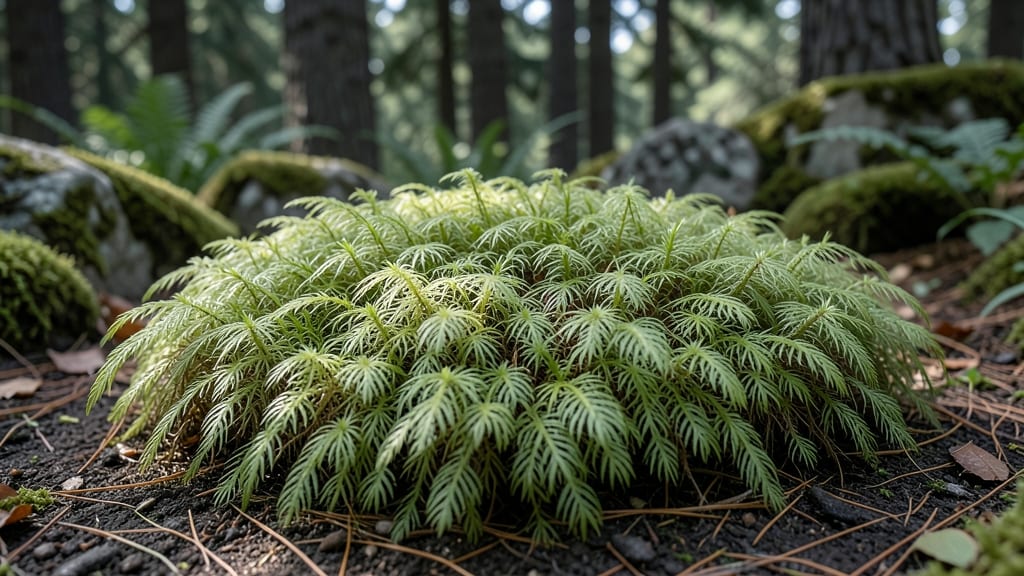
That velvety green moss creeping across your lawn isn’t just unsightly—it’s stealing nutrients from your grass. 🌱 I’ve battled this fungal blight for years, and the 72-hour cure I perfected works even on stubborn patches that resist basic raking.
The secret isn’t harsh chemicals but fixing what’s really wrong: shady spots, compacted soil, or grass that’s already struggling.
Moss thrives where grass can’t—think damp, low-light areas or soil packed so tight water pools instead of draining. My lawn went from 90% moss to 10% in a single season using sand top-dressing and a simple sunlight trick.
The key? A mix of coarse sand (to break up compaction) and lime (to lower acidity) applied in late fall or early spring.
Within 72 hours of treating, you’ll see moss start to brown and pull away as grass roots reclaim their space. The real magic happens after: thicker grass, better drainage, and a lawn that stays lush even in shady corners.
No more hiding your yard in summer—just healthy green where you want it.
This method works for cool-season grasses (like fescue or bluegrass) and even warm-season lawns if you adjust timing. The only tools you need? A rake, a spreader, and patience—though the results come faster than you’d expect. Let’s turn that moss into a memory.
Root Causes Of Lawn Moss Growth
Green moss creeping across your lawn isn’t just an aesthetic nuisance—it’s a sign your turf is struggling to thrive. Understanding the underlying reasons helps you address the issue effectively.
Below, we break down the key factors that turn your lawn into a mossy carpet, complete with actionable insights to restore balance.
Moss thrives in soggy conditions because it’s a non-vascular plant, meaning it doesn’t need deep roots to absorb water like grass. When your lawn stays damp for extended periods—whether from heavy rainfall, poor soil structure, or compacted ground—moss outcompetes grass for space.
- Why it happens:
- Clay-heavy or dense soils trap moisture, suffocating grass roots.
- Shady, low-lying areas retain water longer, creating ideal moss habitats.
- Overwatering or irrigation issues can mimic natural waterlogging.
- Actionable fix:
- Test your soil’s drainage with a percolation test—dig a 12-inch hole, fill it with water, and time how long it takes to drain. If it’s slower than 6 hours, you’ve got poor drainage.
- Amend compacted soil with organic matter (like compost or sand) to improve aeration. Aim for a 25-30% organic mix in heavy clay.
- Install a French drain or swales (shallow trenches) in problem areas to redirect water.
Grass is a sun-lover—it relies on photosynthesis to grow, while moss can flourish in low-light conditions with just 2-4 hours of indirect sunlight daily. Trees, buildings, or hills casting shade create perfect moss nurseries.
- Why it happens:
- Most lawn grasses (like Kentucky bluegrass or fescue) need 6+ hours of sun to stay thick.
- Shady areas cool faster, slowing grass growth and giving moss a competitive edge.
- Evergreen trees block sunlight year-round, while deciduous trees create seasonal shade shifts.
- Actionable fix:
- Choose shade-tolerant grass varieties like fine fescue or creeping red fescue for problem areas.
- Thin dense tree canopies (safely!) to allow more light—consult an arborist if needed.
- Use reflective surfaces (like white gravel or light-colored mulch) near edges to bounce extra light onto shaded patches.
Moss prefers acidic soils (pH 4.5–6.0), while most lawn grasses thrive in neutral to slightly alkaline conditions (pH 6.0–7.5). If your soil is too acidic, grass weakens, and moss moves in.
- Why it happens:
- Natural decomposition of organic matter (like fallen leaves) lowers pH over time.
- Overuse of fertilizers with ammonium sulfate or peat moss can acidify soil.
- Heavy rainfall leaches calcium and magnesium, increasing acidity.
- Actionable fix:
- Test your soil’s pH with a DIY kit or send a sample to a local extension office. Aim for 6.0–7.0 for most grasses.
- Raise pH with lime (calcium carbonate or dolomitic lime). Apply 10–20 lbs per 1,000 sq ft based on test results.
- Avoid over-fertilizing—stick to a balanced NPK ratio (e.g., 16-4-8) to prevent acid buildup.
Moss spreads when grass is thin, weak, or dead. Poor lawn care—like irregular mowing, drought stress, or pest damage—leaves gaps that moss quickly fills. Think of it like weeds moving into a garden after you stop pulling them.
- Why it happens:
- Over-mowing or cutting grass too short (below 2–3 inches) stresses roots.
- Drought or underwatering causes grass to go dormant, creating bare spots.
- Grubs, chinch bugs, or fungal diseases (like brown patch) kill grass, leaving moss-free zones.
- Actionable fix:
- Adjust mowing height to 3–4 inches for most grasses—taller blades shade soil, reducing moss growth.
- Water deeply 1–1.5 inches per week, focusing on early morning to prevent fungal issues.
- Overseed bare patches with fast-germinating grass seed (like perennial ryegrass) to outcompete moss.
- Treat pest/disease issues with beneficial nematodes or fungicides (e.g., propiconazole) as needed.
💡 Pro Tip: If moss is already established, don’t pull it by hand—this can spread spores. Instead, focus on improving soil and grass health to crowd it out naturally.
For stubborn patches, a vinegar-based moss killer (1 part vinegar to 1 part water) can help, but use it sparingly to avoid harming grass.
Quick Fixes for Lawn Moss Woes
Moss creeping into your lawn isn’t just an eyesore—it’s a sign your grass needs a reset. But don’t worry! With the right approach, you can restore a lush, green lawn in 72 hours or less.
Below are targeted solutions based on the root causes (shade, poor drainage, compacted soil, or pH imbalances), plus prevention tips to keep moss from staging a comeback.
Cause: Moss thrives in low-light areas where grass struggles. Solution:
- 🔥 Trim Overhanging Branches – Use pruning shears or a chainsaw to open up the canopy and let sunlight reach the ground. Aim for at least 4–6 hours of direct sunlight daily for grass to outcompete moss.
- 🍳 Reseed with Shade-Tolerant Grass – If your lawn is perpetually shady, switch to fine fescue, Kentucky bluegrass, or creeping red fescue, which handle low light better than standard turfgrass.
- 👨🍳 Install Artificial Lighting – For stubborn dark corners, solar-powered path lights or small spotlights can deter moss growth by keeping the area slightly illuminated at night.
💡 Pro Tip: If pruning isn’t an option, consider removing moss manually with a rake or moss scraper before reseeding. Work on a dry, sunny day for best results.
Cause: Moss loves soggy soil because it retains moisture better than grass. Solution:
- ⏰ Aerate Your Lawn – Rent a core aerator (or hire a pro) to pull out 3–4 inch soil plugs, which breaks up compacted layers and improves water flow. Do this in early fall or spring when grass is actively growing.
- 🔪 Create a French Drain – For chronically wet spots, dig a 6-inch-deep trench, fill it with gravel, and top it with landscape fabric. This redirects water away from moss-prone zones.
- 🌡️ Adjust Watering Habits – Water deeply 2–3 times per week (early morning) instead of daily light sprinkles. Moss thrives on constant dampness, so let the top inch of soil dry between waterings.
✨ Prevention Hack: Spread a ¼-inch layer of sand or compost over aerated areas to help soil drain faster. Avoid clay-heavy amendments—they can worsen retention issues.
Cause: Heavy foot traffic or machinery flattens soil, preventing grass roots from accessing air and nutrients. Solution:
- 🔥 Top-Dress with Organic Matter – Spread a ¼-inch layer of compost or peat moss (not the green moss you’re removing!) over the lawn, then lightly rake it in. This adds porosity and encourages grass roots to grow deeper.
- 🍳 Use a Lawn Roller (But Not Too Heavy!) – A lightweight roller (50–100 lbs) can help settle soil without compacting it further. Roll perpendicular to foot traffic patterns for even distribution.
- 👨🍳 Plant Clover or Clover-Grass Mix – Clover has shallow roots that break up compacted soil over time while adding nitrogen. It’s also drought-resistant, reducing moss’s water advantage.
🎯 Long-Term Fix: Walk on wooden planks or stepping stones in high-traffic areas to protect soil structure.
Cause: Moss prefers acidic soil (pH 4.5–6.0), while most grasses thrive in neutral to slightly alkaline (6.0–7.5). Solution:
- 🔥 Test Your Soil – Grab a DIY pH test kit (or send a sample to a local extension office) to confirm the issue. If pH is below 6.0, it’s time to adjust.
- 🍳 Apply Lime to Raise pH – Sprinkle pelletized lime (follow package rates) over the lawn, then water it in. Best done in early fall or spring when grass is dormant or growing slowly.
- 👨🍳 Avoid Over-Fertilizing – Too much nitrogen (especially in quick-release fertilizers) can lower pH over time. Opt for slow-release or organic fertilizers instead.
💡 Quick Test: If you notice rust-colored stains on leaves or yellowing grass, your soil is likely too acidic. Lime will help neutralize it in 4–6 weeks.
Once you’ve treated the lawn, lock in your progress with these habits: - 🌡️ Mow High – Set your lawnmower to 3–4 inches to shade out moss and strengthen grass roots. - 📊 Overseed Annually – Fill in thin spots with high-quality grass seed in early fall for a dense, competitive turf. - **💪 Use Moss Killer Strategically – If moss persists, apply a natural moss killer (like iron sulfate or vinegar-based sprays) only to affected spots, not the whole lawn.
Reapply every 7–10 days until moss dies back. - 🎯 Monitor Moisture – Moss returns when conditions are too wet or too shady. Adjust care based on your lawn’s microclimates (e.g., north-facing areas may need extra attention).
Final Reminder: Consistency is key! Moss is resilient, but a healthy lawn is its worst enemy. Stick to the fixes above, and you’ll see noticeable improvement in 72 hours—with long-term results in 2–4 weeks**. 🚀
Frequently asked questions
Is green moss on my lawn harmful to grass?
Moss itself isn't toxic, but it's a sign your lawn needs attention. It outcompetes grass for nutrients and water, especially in shady or damp areas. The real issue is what's causing the moss—like poor drainage or acidic soil—to begin with. Addressing these root problems will help your grass reclaim space naturally.
Can I just pull up the moss and expect grass to grow back?
Pulling moss can actually spread spores and damage grass roots if not done carefully. Instead, focus on improving soil conditions first. After removing moss (with a rake on dry days), aerate the lawn and overseed with shade-tolerant grass varieties. The grass will need proper sunlight and drainage to thrive where moss once grew.
What's the fastest way to kill moss without chemicals?
For a natural approach, try a vinegar solution (1 part white vinegar to 1 part water) applied directly to moss patches. Reapply every 7-10 days until the moss turns brown. For larger areas, spread coarse sand or compost to improve drainage and sunlight exposure—this crowds out moss by creating better conditions for grass.
Will lime really help with moss problems?
Yes! Moss thrives in acidic soil (pH below 6.0), while most grasses prefer neutral to slightly alkaline conditions (pH 6.0-7.5). Applying pelletized lime (following package rates) raises pH levels, making the environment less hospitable for moss while helping grass roots grow stronger. Test your soil first to determine how much lime you need.
How do I know if my moss problem is drainage-related?
Check for standing water after rain or if your lawn stays damp for more than 24 hours. Dig a small hole (6 inches deep) and fill it with water—if it drains slower than 6 hours, you likely have poor drainage. Other signs include puddles forming in low-lying areas or moss growing in a ring pattern where water pools.