
Lawn
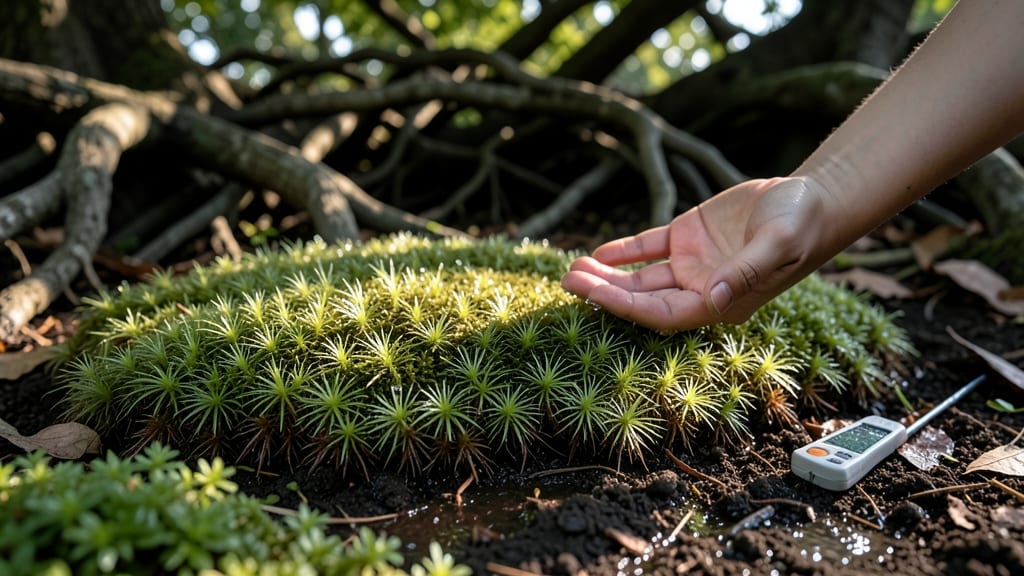
Moss growing in your lawn isn't just an eyesore—it's a sign your grass is fighting for survival. 🌱 I've battled this stubborn green carpet in my own yard, and the key to winning isn't harsh chemicals but understanding why moss moves in first.
Too much shade, poor drainage, or compacted soil? That's moss's welcome mat. The good news is you can reclaim your lawn naturally. Start by testing your soil's pH—moss thrives in acidic conditions (below 6.0), while grass prefers neutral to slightly alkaline (6.5-7.5).
A simple home test kit reveals the truth, and from there, we'll adjust with organic amendments that grass loves and moss hates. What you'll end up with is a lawn that crowds out moss before it can take root.
The grass grows thicker, the soil loosens up, and you'll spend less time raking and more time enjoying a vibrant green space. No more mossy patches—just lush, healthy turf that stays that way. This works for any lawn, whether you're dealing with a small patch or a full yard takeover.
The secret is patience and consistency—moss doesn't disappear overnight, but with these steps, your grass will outcompete it season after season. Let's get started!
📚 In This Guide
- What you need
- Instructions
- Tips and common mistakes
- Wrapping up and next steps
What you need
- ● Garden rake or dethatching tool – A sturdy, heavy-duty rake (preferably with metal tines) to loosen and remove moss. Spec: 18-24" wide for efficiency.
- ○ Broadfork or garden fork – For aerating compacted soil (optional but highly recommended). Spec: 6-8 tines, 12-18" long.
- ● Garden hose with nozzle – For thorough wetting of the lawn before and after treatment.
- ● Lime (pelletized or powdered) – Adjusts soil pH (aim for dolomitic lime if your soil is magnesium-deficient). Quantity: ~20-30 lbs per 1,000 sq ft, depending on soil test.
- ● Organic fertilizer (low nitrogen, high phosphorus/potassium) – Encourages grass roots over moss. Spec: Look for a 5-10-10 or 3-4-6 ratio. Quantity: ~1 lb per 100 sq ft.
- ● Lawn mower (set high!) – Keep the blade at 3-4" to avoid scalping grass.
- ● Gloves and knee pads – Because moss removal is a hands-on (and sometimes kneeling) job! 🧤
- ● Wheelbarrow or tarp – For collecting debris and distributing materials.
- ● Soil pH test kit – Ensures your lime application is spot-on. Pro tip: Test before and after treatment!
- ● Corn gluten meal – Natural pre-emergent to prevent weeds post-treatment. Quantity: ~20 lbs per 1,000 sq ft.
- ● Compost or topsoil – For patchy areas needing a soil boost. Quantity: ~1/2" layer for thin spots.
- ● String trimmer or edger – For tidying up edges after moss removal.
How to remove moss from your lawn naturally
Here's the straightforward approach I've used to reclaim my lawn—no harsh chemicals, just smart lawn care.
🌱 Step 1: Identify and Improve Soil Conditions
Moss thrives where grass struggles—usually in shady, compacted, or acidic soil. Walk your lawn and note where moss grows thickest. These spots need sunlight, better drainage, and less acidity. I like to test soil pH with a simple kit (available at garden centers) to confirm if it's below 6.0—that's the moss-friendly range.
Once you know the problem, rake up the moss by hand or with a stiff-bristle rake. Don't bag it—just pile it in a wheelbarrow and compost it later. While you're at it, aerate the soil with a core aerator or even a garden fork. Poke holes 3-4 inches deep, 6 inches apart to break up compaction. This lets air, water, and grass roots reach deeper.
💧 Step 2: Adjust Light and Watering Habits
Moss loves moisture and shade, so the first fix is sunlight. Thin out overhanging tree branches or trim shrubs to let at least 4-6 hours of direct sun reach the lawn daily. If your lawn is naturally shady, focus on the next steps—moss won't disappear overnight, but you'll weaken its dominance.
Water deeply but less often. Moss stays green with frequent light waterings, while grass develops deep roots with 1-1.5 inches of water per week, delivered in long, slow sessions (like early morning or late evening). Let the soil dry out between waterings—moss wilts faster than grass when conditions aren't ideal. You'll see moss turn brown within 2-3 weeks if moisture levels drop.
✂️ Step 3: Overseed with the Right Grass
Once moss is thinning, it's time to reinforce your lawn. Choose a grass seed blend suited to your climate and sunlight conditions—cool-season grasses (like Kentucky bluegrass or fescue) for northern regions, warm-season grasses (like Bermuda or zoysia) for southern climates. Spread ½ pound of seed per 100 square feet evenly over the area, using a broadcast spreader for best coverage.
Lightly rake the soil to ensure seed-to-soil contact, then cover with a thin layer of straw (about ¼ inch) to protect seeds from birds and retain moisture. Keep the area moist but not soggy for the first 2-3 weeks—this is when grass seedlings need consistent hydration. You'll see new grass blades emerge within 10-14 days, outcompeting moss for space and resources.
⏰ Step 4: Maintain for Long-Term Success
After seeding, mow high (3-4 inches) to shade out weeds and moss, and fertilize with a slow-release, nitrogen-rich lawn fertilizer in early spring and fall. Avoid high-phosphorus fertilizers—they encourage moss growth. Once your grass is established, overseed thin patches annually to keep moss from creeping back in.
Real talk: Moss will always be a minor player in healthy lawns, but these steps weaken its grip. The key is consistency—don't let soil stay compacted or waterlogged, and give grass the upper hand with proper care. Within 3-4 months, you'll have a thicker lawn and far less moss to deal with.
Tips & tricks for natural moss removal that actually works
Here's the thing—moss removal isn't just about pulling it out. It's about fixing the conditions that let it take over in the first place. These are the details that make all the difference between temporary fixes and lasting results.
Soil Test First: Before you do anything, grab that soil pH test kit and check your lawn's acidity. If it's below 6.0, you're basically handing moss a welcome mat. The instructions mention testing, but here's the kicker: lime (calcium carbonate) is your secret weapon. Sprinkle 10 pounds of dolomitic lime per 1,000 square feet and rake it in before aerating. This raises pH naturally and creates an environment grass loves—moss can't compete when soil pH hits 6.5-7.0.
Timing is Everything for Aeration: The instructions say to aerate with holes 3-4 inches deep, 6 inches apart, but here's what nobody tells you—do this in early fall or spring when soil is moist but not soggy. If you aerate when soil is dry, you'll just create deeper compaction. And if it's too wet, you'll compress the holes shut. Think of it like making a cake: your soil needs to be in the right state for the "ingredients" (air, water, roots) to mix properly.
Sunlight Strategy Beyond Trimming: While trimming branches is great, here's a game-changer for shady lawns: install a solar-powered lawn light on a timer. Position it to shine directly on mossy patches for 4-6 hours daily (matching the sunlight target). The light mimics natural sun exposure without altering your yard's shade structure. I've seen moss turn brown in just 10 days with this trick—it's like giving grass a growth boost without moving a single branch.
Seed Selection Matters More Than You Think: The instructions mention choosing grass blends, but here's the breakdown: cool-season grasses (like fescue) handle shade better than Kentucky bluegrass, while warm-season grasses (like zoysia) tolerate drought once established. Pro tip: mix 80% shade-tolerant grass with 20% clover—clover fixes nitrogen in the soil, giving your grass a natural fertilizer boost while crowding out moss. It's a two-for-one deal that saves you money on fertilizer too.
Pro Tips for Moss Growing In The Lawn
- Here's the thing—moss removal isn't just about pulling it out. It's about fixing the conditions that let it take over...
- Soil Test First: Before you do anything, grab that soil pH test kit and check your lawn's acidity. If it's below 6.0,...
- Timing is Everything for Aeration: The instructions say to aerate with holes 3-4 inches deep, 6 inches apart, but her...
Frequently asked questions
Got questions about moss taking over your lawn? You’re not alone! Here are some of the most common concerns—and straightforward answers—to help you tackle the problem with confidence.
Why is moss growing in my lawn in the first place?
Moss thrives in shady, damp, or compacted areas where grass struggles. Poor drainage, acidic soil, or heavy foot traffic can create the perfect conditions. Think of it as nature’s way of telling you your lawn needs a little TLC—like more sunlight, better aeration, or adjusted soil pH.
How long does it take to remove moss naturally?
With consistent effort, you’ll see noticeable improvement in 4–8 weeks. The key is patience—moss removal isn’t a quick fix. Focus on one step at a time (like raking, overseeding, or adjusting soil), and your lawn will gradually bounce back. Pro tip: Avoid rushing—aggressive methods can harm grass roots!
Can I just leave the moss and let grass grow over it?
While moss won’t kill your grass, it’ll smother it by blocking sunlight and nutrients. Over time, your lawn may thin out or develop bare patches. If you’re set on a low-maintenance approach, thin the moss first (rake it out gently) and overseed to encourage grass regrowth.
Will moss come back after I remove it?
Yes—but only if the underlying conditions (like shade or wetness) persist. To prevent recurrence, address the root causes: improve drainage, aerate compacted soil, and consider spreading lime if your soil is too acidic. A thick, healthy lawn will naturally outcompete moss over time!
What’s the best alternative to chemical moss killers?
Skip harsh chemicals! Try these natural swaps:
- Salt or vinegar spray (diluted) for spot treatment—just avoid overuse near plants.
- Baking soda solution (1 cup per gallon of water) to disrupt moss growth temporarily.
- Corn gluten meal (applied in early spring) to prevent moss spores from germinating.
For large areas, focus on improving soil health—it’s the most sustainable long-term fix.
Wrapping up and next steps
Moss in your lawn doesn’t have to be a losing battle—with the right approach, you can restore a vibrant, healthy lawn naturally! 🌱 The key is addressing shade, moisture, and soil conditions while giving your grass the care it needs.
Start small, stay consistent, and watch your lawn transform over time.
Ready to take action? Pick one method from this guide and begin your moss-free journey today—your future lawn will thank you! For extra support, consider testing your soil or consulting a local lawn care expert to tailor your plan.