
Lawn
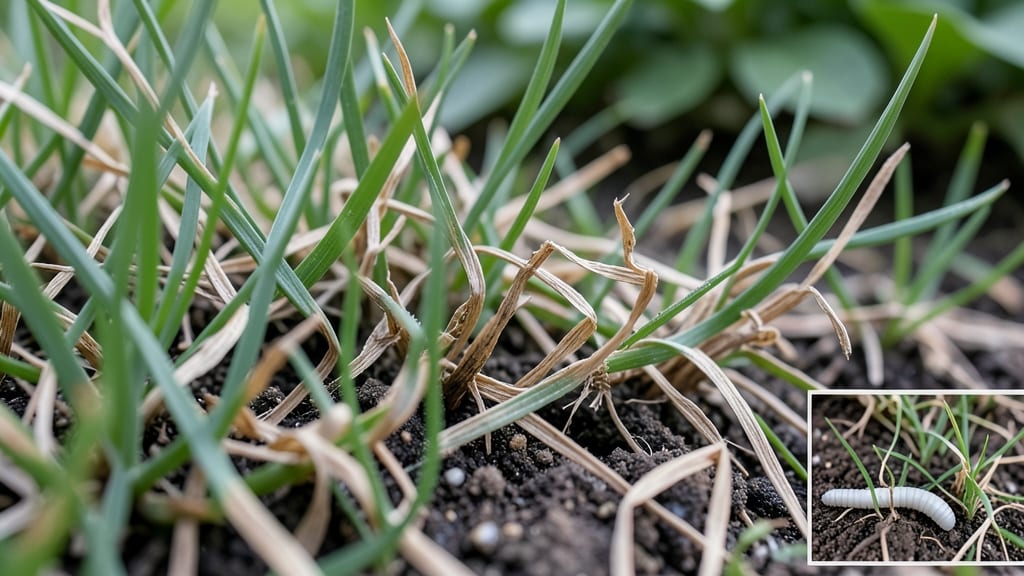
Your lawn’s brown patches aren’t just heat stress—they’re grub worm lawn damage calling for action. 🌱 I’ve seen healthy turf turn into a patchwork of dead spots overnight, and the key to saving it starts with spotting the signs early.
Grubs chew roots silently, leaving behind worm casts and spongy turf that rolls like a carpet. The damage peaks in late summer, when these C-shaped larvae feast on grass roots. My first infestation nearly took out my entire yard—until I learned the 3-step rescue plan.
You’ll reclaim your lawn in weeks with targeted treatments, from natural nematodes to chemical controls. The secret? Healthy grass resists grubs better, and a few simple prevention steps keep them from returning. Let’s turn those brown patches into green victories—starting with identification and the right treatment for your yard.
Root Causes Of Lawn Grubs
Grub worms—those sneaky, C-shaped larvae of beetles—can turn a lush lawn into a patchy, brown mess if left unchecked. But why do they strike in the first place? Understanding the why behind their destructive habits is the first step to stopping them.
Here’s a breakdown of the key factors that turn your grass into a grub buffet:
Grubs thrive in moist, soft soil, and overwatering your lawn is like rolling out the welcome mat.
Here’s why: - Excess moisture keeps the soil loose and easy to burrow through, making it ideal for egg-laying adult beetles. - Poor drainage from overwatering creates stagnant conditions, which grubs love because it mimics their natural habitat (decaying organic matter). - Weakened grass roots from overwatering make it easier for grubs to chew through, accelerating damage.
💡 Pro Tip: Water deeply but infrequently—early morning (4–6 AM) is best to allow soil to dry between sessions. Aim for 1–1.5 inches per week (including rain).
Grub worms follow a predictable life cycle, and their damage peaks during specific seasons:
- May–July (Southern U.S.) / June–August (Northern U.S.) are prime egg-laying months for Japanese beetles and other grub species.
- Larvae hatch in 10–14 days, feeding aggressively for 6–8 weeks before pupating.
- Cool, damp fall weather (September–October) can extend their feeding window, worsening damage.
⏰ Key Insight: If you notice sudden brown patches in late summer or early fall, grubs are likely the culprit.
Thatch—a layer of dead grass, roots, and debris—acts like a grub worm hotel.
Here’s how: - Thick thatch (over ½ inch) traps moisture, creating a perfect microclimate for grubs. - Organic debris (like fallen leaves or clippings) provides food and shelter. - Compacted soil beneath thatch makes it harder for grass roots to recover, while grubs feast undisturbed.
🔥 Fix It: Dethatch in early spring or fall using a rake or dethatching machine. Keep grass at 2–3 inches tall to reduce thatch accumulation.
Healthy grass is less appealing to beetles, but stressed lawns send up a "help, I’m weak!" signal.
Contributing factors: - Low nitrogen levels make grass less resilient, encouraging beetles to lay eggs nearby. - Compacted or clay-heavy soil limits root growth, making turf more vulnerable to grub feeding. - Lack of beneficial microbes weakens the lawn’s natural defenses against pests.
🌡️ Soil Test First: Check your soil’s pH and nutrient levels (ideal: 6.0–7.0 pH). Amend with compost or organic matter to improve structure and health.
Grubs are the larval stage of beetles (like Japanese beetles or June bugs), and their numbers explode when:
- Few natural predators (birds, toads, or parasitic wasps) are present.
- No prior treatment has been applied to disrupt their life cycle.
- Adjacent properties have grub infestations, leading to cross-contamination.
🎯 Prevention: Encourage predators with bird-friendly habitats (birdbaths, native plants) or apply beneficial nematodes (Heterorhabditis bacteriophora) to target grubs naturally.
Grubs are highly sensitive to weather, and certain conditions trigger outbreaks:
- Warm, humid summers speed up beetle reproduction.
- Drought followed by heavy rain stresses grass, making it more susceptible to grub damage.
- Mild winters allow more beetles to survive and reproduce.
🌦️ Watch the Forecast: If your area had an unusually warm spring, brace for potential grub activity.
Even well-meaning lawn care can accidentally help grubs. Common offenders:
- Over-fertilizing with high-nitrogen feeds (grubs love tender, fast-growing grass).
- Skipping aeration, which leaves soil compacted and grubs undisturbed.
- Using broadleaf herbicides that weaken grass, making it easier for grubs to take over.
✨ Smart Fix: Use slow-release, balanced fertilizers (16-4-8 or 12-12-12) and aerate annually to improve soil health.
Fixing Grub Worm Lawn Damage
Grub worms may be tiny, but their damage can leave your lawn looking like a patchwork of brown, spongy mess—especially after a dry spell or heavy foot traffic. The good news? With the right approach, you can revive your lawn and stop future infestations.
Below, we’ll break down targeted solutions based on the cause of your damage, from quick fixes to long-term prevention.
If you’ve spotted irregular brown patches, squirrels digging, or lawn that pulls up like a carpet, you’re likely dealing with grubs. The sooner you act, the easier the fix.
- Test for grubs: Dig up a small section of sod (about 6x6 inches).
Flip it over—if you see white, C-shaped larvae (grubs) beneath, that’s your culprit. - Assess the damage: Light infestations (fewer than 10 grubs per square foot) may only need cultural fixes, while heavy infestations (20+ grubs per square foot) require chemical treatment.
Before tackling grubs, patch the damage so your lawn can recover faster.
- Remove dead grass: Use a rake or shovel to clear away brown, spongy patches where grubs have eaten the roots.
- Loosen soil: Aerate the area (rent a core aerator or use a manual fork) to help roots re-establish.
- Top-dress with seed & soil: Mix high-quality grass seed (match your lawn type) with compost or topsoil, then spread evenly. Lightly water to settle.
- Water deeply: Keep the soil moist (not soggy) for 10–14 days to encourage new growth.
💡 Pro Tip: If large areas are damaged, consider sod patches for instant coverage while seeds germinate.
If your infestation is mild, try non-toxic solutions first.
| Method | How to Do It | Best For |
|---|---|---|
| Beneficial Nematodes | Apply Heterorhabditis bacteriophora (sold as "grub killers") to soil in early evening. Water lightly afterward. | Organic lawns, small infestations |
| Milky Spore (Bacillus popilliae) | Spread milky spore powder on lawn in spring/fall. Takes 1–2 years to fully establish but provides long-term protection. | Prevention, clay or loamy soils |
| Neem Oil | Mix neem oil + water + a drop of dish soap (spray bottle). Apply to lawn when grubs are young (late spring/early summer). | Early-stage grubs, small areas |
| Birds & Predators | Encourage skunks, toads, and birds (like robins) by adding a birdbath or leaving leaf litter in shady spots. | Prevention, eco-friendly yards |
🌡️ Best Time to Treat: Late spring to early summer (when grubs are young and most vulnerable).
For severe infestations, chemical larvicides are the fastest solution. Here’s how to use them safely:
- Choose the right product:
- Imidacloprid (Merit) – Systemic, works for months (apply in early summer).
- Chlorantraniliprole (Scotts GrubEx) – Fast-acting, great for immediate control.
- Carbaryl (Sevin) – Older but effective (apply in late summer when grubs are near the surface).
- Apply correctly:
- Follow label instructions for dosage (usually 1–2 lbs per 1,000 sq ft).
- Use a spreader for even coverage.
- Water lightly after application (unless label says otherwise).
⚠️ Safety Note: Wear gloves and avoid treating lawns where children or pets play for 24–48 hours.
Stop grubs before they start with these long-term strategies:
- Mow high: Keep grass at 3–4 inches to shade soil and deter egg-laying beetles.
- Water deeply but less often: Grubs thrive in wet soil—water early morning and let soil dry slightly between sessions.
- Aerate annually: Improves root health, making grass more resilient to pests.
- Apply milky spore every 2–3 years for natural, lasting protection.
- Treat in early summer: If you’ve had grubs before, apply nematodes or chemicals in June/July when beetles lay eggs.
🎯 Golden Rule: Healthy grass = fewer grubs. Focus on fertilization, aeration, and proper watering to make your lawn less inviting to pests.
Need more help? If your lawn still looks rough after treatment, consider a soil test—grubs often target weak, compacted, or nutrient-poor soil. A little extra care now means a lush, grub-free lawn next season!
Frequently asked questions
How do I tell if my lawn damage is from grubs?
Look for irregular brown patches that feel spongy when you walk on them. Flip over a small section of turf—if you see white, C-shaped larvae (grubs) beneath, that confirms the problem. These patches often appear in late summer or early fall when grubs are most active.
Can I use natural remedies for grub worm damage?
Yes! Try beneficial nematodes (like Heterorhabditis bacteriophora) or milky spore for organic control. Neem oil sprays can also help in early stages. For prevention, encourage natural predators like birds, toads, and skunks by adding birdbaths or leaving leaf litter in shady spots.
When is the best time to treat grub worm damage?
The ideal window is late spring to early summer (May–July), when grubs are young and most vulnerable. Apply treatments like nematodes or chemical larvicides during this time for maximum effectiveness. If you missed this window, late summer (August–September) can still help before grubs pupate.
Will my lawn recover after grub damage?
Start by removing dead grass, aerating the soil, and overseeding damaged areas. With proper care—like deep watering and fertilization—your lawn can fully recover in 4–6 weeks. For severe damage, consider sod patches for quicker results while seeds germinate.
How often should I check for grubs?
Inspect your lawn every 4–6 weeks during peak grub season (late spring to early fall). Dig up small sections of turf in suspicious areas to monitor for grubs. Regular checks help you catch infestations early before they cause major damage.