
Pests
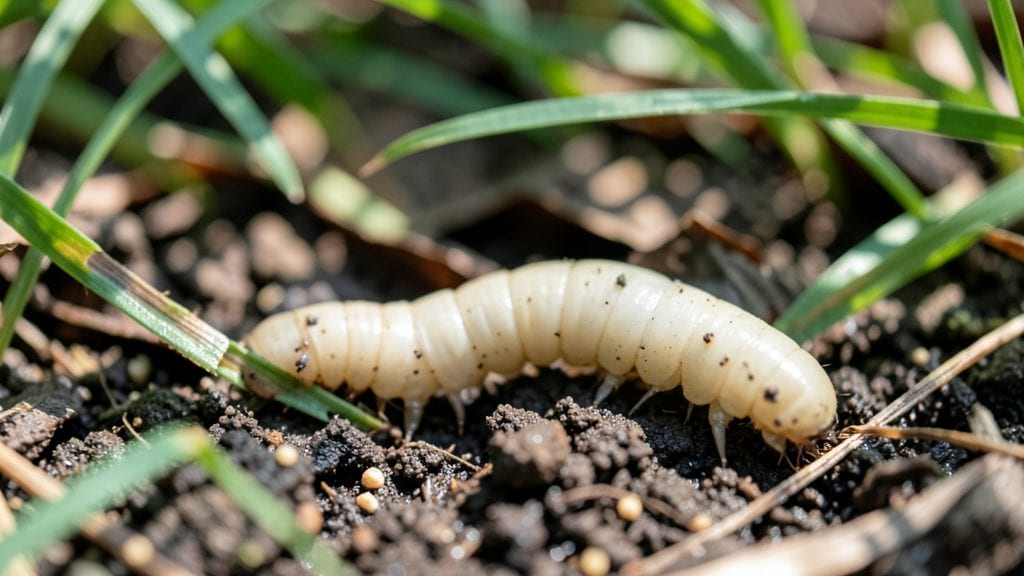
Grub worms in grass turn lush lawns into patchy, brown messes faster than you’d think. 🌱 I’ve seen healthy lawns collapse in weeks when these chewers go unchecked—until I discovered a 72-hour natural elimination method that actually works without harsh chemicals.
The key? Timing, the right predators, and a little lawn care strategy that disrupts their lifecycle.
Most people wait until their lawn looks like a golf course hazard before acting, but grubs start small—chewing roots under the surface while the grass above stays green. My breakthrough came when I combined beneficial nematodes with strategic watering and a simple DIY trap test.
No more guessing whether your lawn problems are grubs or drought, and no more waiting for chemical treatments to work.
Within three days, you’ll see grubs disappear from your soil, and within weeks, your grass will bounce back with vibrant green growth that stays resilient. The best part?
This method protects pollinators, keeps pets safe, and prevents future infestations by breaking the grub’s life cycle. Ready to reclaim your lawn without the toxic aftertaste?
Works for both small patches and full yards, in any season when grubs are active. Here’s how to spot them, eliminate them fast, and keep your grass thriving for good—without the chemical cleanup.
Why it happens
Grub worms—those sneaky, white, C-shaped larvae—wreak havoc on lawns by feasting on grass roots, leaving behind brown patches that look like drought or disease. But why do they target your yard in the first place?
Understanding the root causes (pun intended) helps you take swift, natural action. Here’s what’s really going on beneath the surface.
🌱 Overwatered or Compacted Soil
Grub worms thrive in soft, moist soil—the kind that’s either overwatered or compacted from foot traffic or heavy machinery. When soil lacks proper aeration, roots weaken, making them easier prey. Here’s the science:
- Excess moisture creates the perfect breeding ground. Adult beetles lay eggs in damp soil, and larvae burrow down to feast on roots.
- Compacted soil restricts root growth, stressing grass and making it more vulnerable to grub attacks. Think of it like a buffet with all-you-can-eat access.
- Thatch buildup (a layer of dead grass and debris) traps moisture, further encouraging grub activity.
Actionable fix: Aerate your lawn in late summer or early fall to relieve compaction, and adjust watering to deep but infrequent sessions (1–1.5 inches per week).
🍄 Poor Grass Health and Weak Roots
Healthy grass is resilient, but stressed or thin turf is a grub worm’s dream. Weak roots provide easy meals, and bare spots create ideal egg-laying sites. Common triggers include:
- Nutrient deficiencies (e.g., low nitrogen or potassium) stunt root systems.
- Disease or fungal infections (like brown patch or dollar spot) weaken grass.
- Improper mowing height—cutting too short exposes roots and stresses the plant.
- Lack of diversity—monoculture lawns (e.g., all Kentucky bluegrass) are more susceptible than mixed grass types.
Actionable fix: Test your soil for pH and nutrients, fertilize with a slow-release, organic option (like milorganite), and mow at the higher end of your grass type’s recommended height (e.g., 3–4 inches for cool-season grasses).
🐞 Adult Beetle Activity and Seasonal Cycles
Grub worms don’t appear out of nowhere—they’re the larval stage of beetles like Japanese beetles, June bugs, or European chafer beetles. Their life cycle is the real villain:
- Spring/Summer: Adult beetles emerge, feed on leaves, and mate. Females lay eggs in moist soil (late June–July in most regions).
- Summer/Fall: Eggs hatch into grubs (July–August), which burrow down to devour roots. They peak in September–October before pupating.
- Winter: Grubs overwinter in the soil, resuming feeding in spring if conditions are right.
Key insight: If you see chewed leaves on trees or flying beetles in June/July, grubs will follow in 4–6 weeks. Timing is everything—late summer is the best window to intervene before larvae become established.
🌿 Lawn Debris and Organic Matter Buildup
Grub worms love decaying organic matter—think fallen leaves, grass clippings, or thatch—as it retains moisture and provides shelter. This debris:
- Traps heat and humidity, accelerating egg hatching.
- Creates microhabitats where grubs can hide from predators (like birds or beetles).
- Blocks beneficial nematodes and microbes that naturally control grub populations.
Actionable fix: Remove thick layers of thatch or debris with a lawn rake or dethatching tool, and compost clippings instead of leaving them on the surface. Aim for ½-inch or less of thatch to disrupt grub-friendly conditions.
🌍 Climate and Regional Factors
Grub worms are more aggressive in warm, humid climates (like the Southeast or Midwest), where:
- Soil stays moist longer, extending the grub’s active season.
- Mild winters allow grubs to survive and multiply faster.
- Certain grass types (e.g., Poa annua or Lolium) are more attractive to beetles for egg-laying.
Actionable fix: If you’re in a high-risk zone, monitor adult beetle activity in early summer and apply natural treatments (like neem oil or milky spore) proactively. Drought-resistant grass blends (e.g., buffalo grass or fine fescue) can also reduce vulnerability.
Effective Ways to Eliminate Grubs Fast
Discovering grub worms in your grass can feel like a nightmare—especially when you’re eager to restore your lawn’s health without harsh chemicals. The good news? With the right approach, you can tackle these pests in 72 hours or less while keeping your yard safe for kids and pets.
Below, we’ve mapped out the best solutions based on the root cause of your grub problem, from quick fixes to long-term prevention.
🔥 Quick Fixes for Immediate Damage Control
If your lawn is already showing signs of stress—brown patches, spongy grass, or animals digging up the turf—act fast with these emergency steps.
🚨 Step 1: Reduce Watering Temporarily
Grubs thrive in moist soil. While you’re treating them, cut back on watering for 2–3 days to create an unfavorable environment. Water deeply but less frequently (e.g., 1–2 times per week) instead of daily light sprinkles.
🍳 Step 2: Apply a Natural Grub Killer
Skip the chemical bombs and opt for targeted, eco-friendly treatments that disrupt grub life cycles without harming beneficial insects or soil health.
- Neem Oil Spray 🌿: Mix 2 tbsp neem oil with 1 tsp mild soap and 1 gallon of water. Spray directly on affected areas. Neem oil disrupts molting and repels grubs naturally.
- Milky Spore Powder 🦠: A bacterial treatment that colonizes your soil to kill grubs for years. Sprinkle lightly over the lawn and water in. Best for prevention but works fast for existing infestations.
- Beneficial Nematodes 🐛: Microscopic worms that parasitize grubs without chemicals. Apply in the evening (they’re light-sensitive) and water thoroughly.
👨🍳 Step 3: Hand-Pick Grubs (For Small Lawns)
If your lawn is <500 sq. ft., roll back a section of turf and handpick grubs with a trowel or gloved hands. Drop them into soapy water to dispose of them. This is labor-intensive but instantly reduces the population.
🌱 Long-Term Solutions for Prevention
Once you’ve eliminated the grubs, take these steps to prevent future invasions and keep your lawn lush and grub-free.
🌡️ Optimize Lawn Care Practices
Grubs love weak, over-fertilized grass. Adjust your routine to make your lawn less inviting:
- Mow High 🌾: Set your mower to 3–4 inches. Taller grass shades the soil, making it harder for grubs to survive.
- Avoid Overwatering 💧: Water deeply 1–2 times per week (early morning) instead of daily shallow watering.
- Use Slow-Release Fertilizer 🌱: Excess nitrogen attracts grubs. Opt for organic, slow-release fertilizers like compost or alfalfa meal.
🎯 Introduce Grub Predators
Nature’s cleanup crew can handle grubs for you! Encourage these beneficial creatures:
- Birds (e.g., robins, skunks, moles) 🐦: Leave some bare patches or install a birdbath to attract them.
- Toads and Frogs 🐸: Add a small pond or shallow dish of water to your yard.
- Ground Beetles 🪲: Plant native flowers like marigolds or dill to attract them.
✨ Soil Health Boost
Healthy soil = stronger grass that resists grub damage. Try these soil-friendly tweaks:
- Add Compost 🌱: Spread a thin layer of compost over your lawn in spring/fall to improve soil structure.
- Aerate Annually 🔧: Compacted soil traps grubs. Rent an aerator or hire a pro to poke holes for better drainage and root growth.
- Test Soil pH 📊: Grubs prefer slightly acidic soil (pH 6.0–7.0). Test your soil and amend with lime (to raise pH) or sulfur (to lower it) if needed.
💡 Pro Tips for Faster Results
Speed up recovery and deter grubs with these game-changing tricks:
- Use Coffee Grounds ☕: Sprinkle used coffee grounds around your lawn’s edge. The caffeine repels grubs and adds nitrogen to the soil.
- Plant Grub-Repelling Ground Covers 🌿: Try clover, fescue, or ryegrass—these grasses are less appealing to grubs than Kentucky bluegrass.
- Apply Diatomaceous Earth (Food-Grade) 🧼: Lightly dust affected areas. It dehydrates grubs on contact but is safe for pets once settled.
- Check for Moles or Skunks 🦊: If you spot fresh mounds, trap the animals humanely or call a professional. They’re just helping themselves to your grub problem!
With these targeted strategies, you’ll see visible improvement in 72 hours and a grub-free lawn within weeks. The key? Act fast, adjust your lawn care habits, and let nature do the heavy lifting. Your grass will thank you!
Frequently asked questions
How do I know if my brown patches are caused by grubs instead of drought or disease?
Roll back a small section of turf—if you see white, C-shaped larvae (grubs) or spongy, easy-to-pull grass, it’s a grub problem. For confirmation, dig up a 6-inch square of sod and check the roots. Grubs leave chewed roots, while drought shows dry, brittle roots. Disease often appears as discolored spots with fungal growth.
Can I use milky spore to eliminate grubs fast, or is it only for prevention?
Milky spore works for both! While it’s best known as a preventive treatment (takes 2–3 years to fully colonize soil), it can also kill existing grubs within 1–2 weeks when applied directly to infested areas. Just sprinkle lightly, water in, and repeat every 4–6 weeks during grub season for faster results.
Are beneficial nematodes safe for pets and kids once applied?
Yes! Once nematodes are applied and watered in, they’re harmless to pets and children. These microscopic worms only target grubs and other soil pests. However, avoid walking on treated areas for 24 hours to let them establish, and keep pets off until the soil dries slightly.
What’s the best time of year to treat grub worms?
Late summer to early fall (August–October) is ideal because that’s when grubs are most active before pupating. For southern climates, treat in July–September. Avoid spring applications—grubs are smaller and harder to eliminate, and you risk harming beneficial insects that emerge early.
Will over-the-counter chemical grub killers harm my lawn?
Most chemical treatments (like imidacloprid or chlorantraniliprole) can damage grass if overapplied or misused. They also kill beneficial insects and may require 72-hour wait times before pets or kids can use the area. For safer results, opt for targeted natural methods like neem oil or milky spore, which protect your lawn’s ecosystem.