
How To
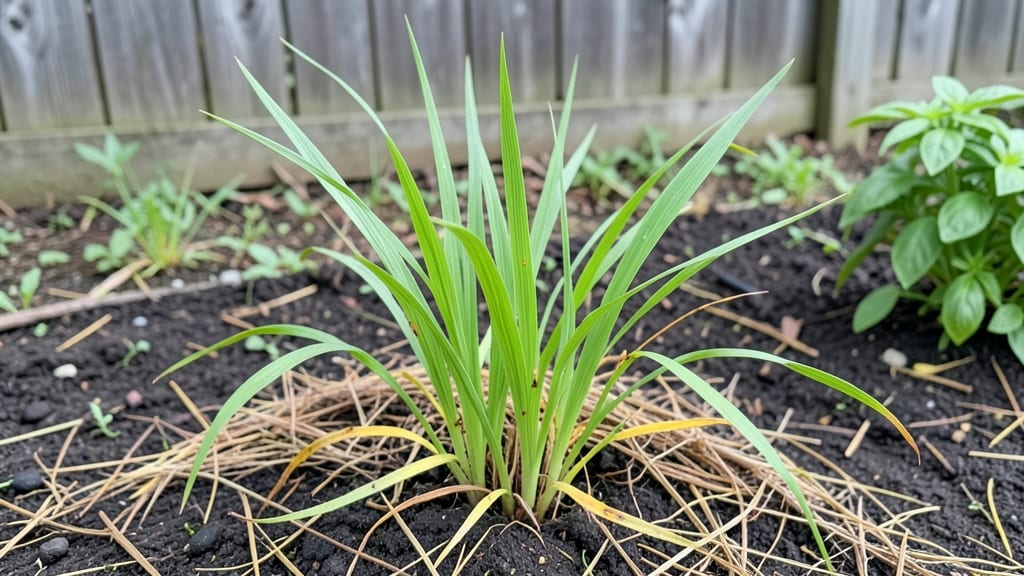
How long lemon grass takes to grow depends on your starting method: seed-grown plants reach harvest height (12–18 inches) in 8 to 12 weeks, while mature plants (2–3 feet) may need 12 to 18 months. Using rhizomes (corms) cuts this timeline to 3 to 6 months for usable stems. Warmth, consistent moisture, and partial shade help it grow faster.
Lemon grass thrives in warm climates, and its growth speed hinges on two key factors: starting material and care consistency. 🌱 When planted from seeds, the initial stages can be slow as roots establish, but proper spacing and well-draining soil help.
Rhizomes, on the other hand, already have a developed root system, so they sprout faster and produce thicker stems. I’ve noticed that plants grown from rhizomes often reach usable height within 4 to 5 months under ideal conditions, while seed-started plants may take closer to 6 months.
For those eager to harvest sooner, focus on soil quality and moisture—lemon grass hates soggy roots but needs steady watering. A mix of sand and compost improves drainage while retaining enough moisture, and partial shade protects young plants from harsh sun.
Pruning older leaves encourages new growth, which can shave off 2 to 4 weeks from the timeline. The key is patience: while the numbers above are averages, a little extra care can make a noticeable difference in your harvest time.
💡 In This Article
- Lemon Grass Growth Stages Explained
- Tips to Speed Up Lemon Grass Harvest
Lemon grass growth stages explained
Lemon grass development follows three distinct phases, each marked by visible changes in stem thickness and leaf structure. During the seedling stage (0–4 weeks), young plants focus energy on root establishment rather than vertical growth.
You'll see slender stems barely 1–2 inches tall with narrow, pale green leaves that feel almost papery when touched. This phase is critical—roots spread horizontally in search of moisture, while the shoot system remains delicate and prone to damage from strong winds or direct sun.
The juvenile phase (4–8 weeks) brings rapid vertical growth as the plant shifts resources upward. Stems thicken noticeably (reaching 6–12 inches), and leaves develop the signature hollow, cylindrical shape.
Here's where you'll notice the first true lemony aroma when crushing a leaf between your fingers—though it's still subtle compared to mature plants. This stage benefits most from consistent moisture; allowing soil to dry completely can stunt growth by 2–3 weeks as the plant struggles to recover.
By 8+ weeks, mature plants enter their harvestable phase, where stems reach 12–18 inches and develop the bold, citrusy fragrance we associate with lemon grass. The leaves turn deeper green with a waxy coating that helps retain moisture.
What's fascinating is how the root system continues expanding—mature plants can develop rhizomes that spread 1–2 feet underground, creating natural clones. This underground network explains why established plants recover so well from harvesting.
Here's where the starting method makes a dramatic difference: plants grown from rhizomes skip the seedling phase entirely, entering juvenile growth with a 2–3 inch head start. Their stems thicken 30–50% faster because the rhizome already contains stored energy.
Seed-grown plants, meanwhile, may take 10–12 weeks just to reach the same stem thickness as a 6-week-old rhizome plant. The visual difference is striking—rhizome plants develop the signature purple-tinged bases within 4–6 weeks, while seed starts may take 3 months.
Environmental factors like temperature and soil pH create even more variation. Lemon grass thrives in 75–85°F conditions, where growth accelerates by 25–30% compared to cooler climates. Soil pH between 6.0–6.5 (slightly acidic) promotes optimal nutrient uptake, particularly potassium which strengthens stems.
Too alkaline (7.5+) can cause yellowing leaves and stunted growth, while acidic soil (5.5–) may lead to root rot if drainage is poor.
The most reliable visual cue for harvest readiness is stem thickness—aim for ½–¾ inch diameter at the base. At this point, the plant's aroma becomes intense when crushed, and leaves develop the characteristic white pith running through the center.
What most gardeners don't realize is that the first harvest actually stimulates faster growth—the plant responds by producing thicker stems and more robust leaves, often cutting 2–4 weeks off subsequent harvest times.