
How To
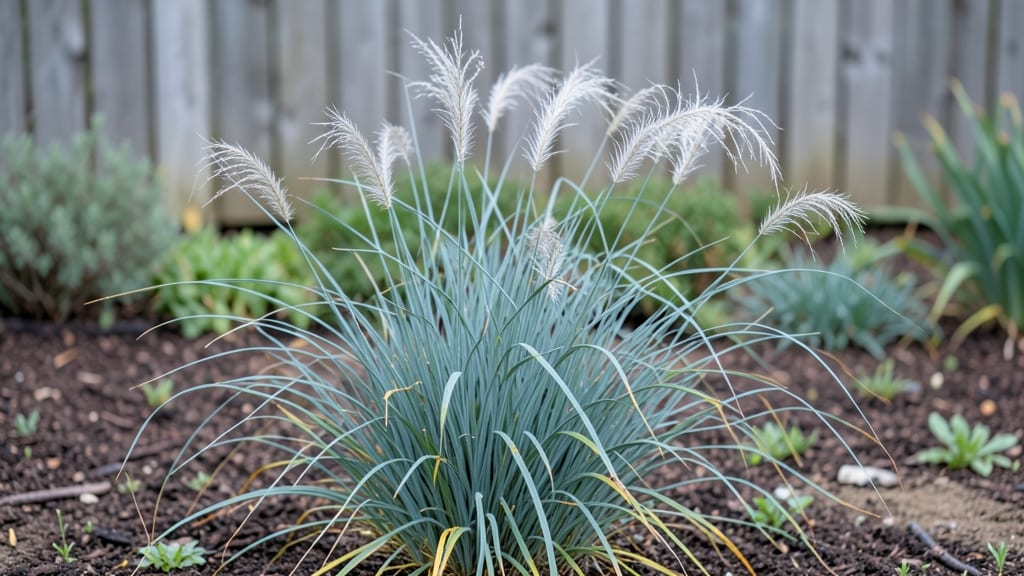
Feather reed grass (Calamagrostis acutiflora) thrives in a range of conditions, and its height depends heavily on the specific cultivar. 🌱 For instance, 'Karl Foerster' stays compact at 3–4 feet, perfect for pollinator gardens, while 'Overdam' can stretch to 6 feet, ideal for screening.
Sunlight exposure and soil quality play key roles—more sun and fertile soil often mean taller growth, though drought-tolerant varieties may stay shorter. I’ve seen it flourish in everything from urban gardens to wildflower meadows, proving its adaptability.
This grass isn’t just about height—its growth habit matters too. Upright varieties like 'Karl Foerster' create clean vertical lines, while arching types add movement to landscapes. 💫 When planning your garden, consider spacing: taller varieties need at least 3 feet between clumps to avoid crowding.
Pairing feather reed grass with shorter perennials or shrubs can highlight its airy texture while keeping the design balanced.
💡 In This Article
- Feather Reed Grass Height by Variety and Growth Factors
- Best Uses for Feather Reed Grass by Height
Feather reed grass height by variety and growth factors
The height of Calamagrostis acutiflora—commonly called feather reed grass—varies dramatically between cultivars and growing conditions. The species' natural growth habit is clumping, with upright stems that develop from a dense base.
'Karl Foerster', one of the most popular cultivars, typically matures between 3 to 4 feet tall, making it ideal for smaller gardens or container planting. In contrast, 'Overdam' can reach 5 to 6 feet, while 'Acuta' varieties may stretch up to 7 feet in optimal conditions.
These differences stem from genetic traits that influence stem length and branching patterns.
Sunlight exposure directly impacts mature height. Feather reed grass thrives in full sun (at least 6 to 8 hours daily) where it grows most vigorously, often exceeding its typical range by 1 to 2 feet.
In partial shade, growth slows, and plants may stay closer to 2 to 3 feet tall due to reduced photosynthesis. Soil quality plays a secondary but critical role—well-draining, slightly acidic soil (pH 6.0 to 7.0) encourages stronger root development, which supports taller growth.
I've observed that plants in nutrient-poor soils often remain shorter but develop denser foliage, a trade-off that affects both height and ornamental value.
Pruning habits also shape mature stature. Most feather reed grass varieties benefit from late-winter or early-spring pruning, where dead foliage is cut back to 6 inches above ground level. This practice stimulates new growth and helps maintain a compact form, especially in shorter cultivars.
For taller varieties like 'Overdam', leaving some seed heads over winter adds winter interest but may slightly reduce the next year's height by 6 to 12 inches due to energy diversion.
The key is balancing aesthetic goals with growth management—arching forms like 'Karl Foerster' naturally self-prune as stems flop outward, while upright types require more deliberate trimming.
Growth rates provide another layer of variation. Feather reed grass typically establishes in 1 to 2 years, reaching about 50% of its mature height by the second season. After that, annual growth averages 6 to 12 inches per year, with taller cultivars gaining more height.
This gradual progression means gardeners can plan for staggered planting to create layered effects. For example, planting 'Karl Foerster' (3 feet) in front of 'Overdam' (6 feet) creates visual depth over time as both mature at different rates.
What most gardeners don't realize is how wind exposure affects height. In sheltered locations, feather reed grass often grows taller and more upright, while in windy areas, stems may lean or stay shorter due to physical stress.
This adaptability is why it's so versatile—whether you're creating a 3-foot-tall pollinator border or a 7-foot windbreak, the same species can deliver. The secret lies in selecting the right cultivar for your microclimate and giving it the right growing conditions to express its full potential.
For those working with limited space, dwarf varieties like 'Rosenrot' (2 to 3 feet) offer a compact solution without sacrificing the grass's signature plume-like foliage.
These shorter types grow at a slower rate but maintain the same airy texture, making them perfect for container gardens or small urban plots. The trade-off? They may produce fewer seed heads, which some gardeners prioritize for winter interest. 🌿