
Size
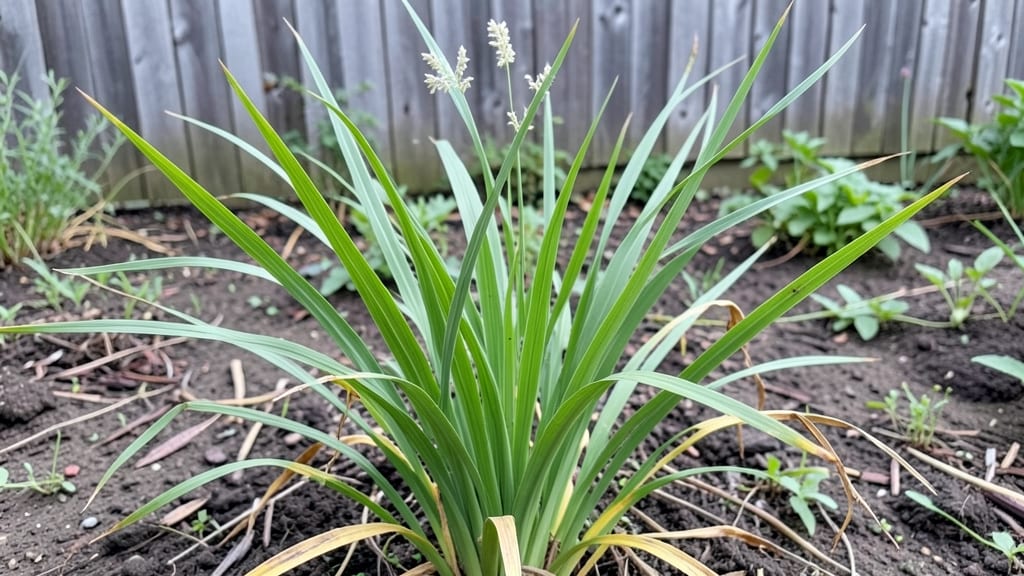
Lemon grass height depends heavily on its growth stage and care—young plants start around 6–12 inches in just 30–60 days after sprouting, but their stems can double in length during the vegetative phase if given enough warmth and moisture. 🌱 The real height boost comes from tropical varieties like Cymbopogon flexuosus, which thrive in humid climates and can exceed 5 feet with proper fertilization and pruning.
I’ve found that regular harvesting actually stimulates bushier, taller growth by preventing flowering too soon.
For container gardeners, choosing dwarf varieties or using large pots with well-draining soil helps control height while maximizing flavor. The key is balancing nitrogen for leafy growth with potassium to strengthen stems—too much of either can stunt height or weaken the plant.
My best results come from cutting back flower stalks as soon as they appear, which redirects energy back to stem elongation.
💡 In This Article
- Lemon Grass Growth Stages and Height Milestones
- Maximizing Lemon Grass Height: Varieties and Care Tips
Lemon grass growth stages and height milestones
The journey from seed to mature lemon grass unfolds in three distinct phases, each with dramatic height transformations. In the seedling stage, delicate shoots emerge from soil, reaching just 2–4 inches in their first two weeks.
By 30–60 days, they've typically doubled to 6–12 inches, developing their signature pale green, sword-like leaves. This early growth is fueled by rapid cell division in the meristematic tissue at the base, where new leaves form like stacked paper.
During the vegetative phase, the real height surge occurs as stems elongate at rates of 1–2 inches per week under optimal conditions. Common varieties like Cymbopogon citratus devote energy to vertical growth here, often adding 12–24 inches over 4–6 weeks.
The secret weapon? Auxin hormones, which concentrate at stem tips, promoting rapid elongation while keeping leaves spaced evenly along the stalk. Tropical varieties like Cymbopogon flexuosus can extend this phase, reaching 4–5 feet when given 70–80°F temperatures and 60%+ humidity.
The flowering stage marks both peak height and flavor decline. Stems may add another 6–12 inches as they produce seed heads, but this comes at a cost: the plant redirects energy from leaf production to reproduction.
What's worse, the essential oils that give lemon grass its signature citrusy aroma actually decrease by 30–50% during flowering. This is why experienced growers harvest stems at 3–4 feet during vegetative growth—they're sacrificing potential height for superior culinary quality.
Climate plays a starring role in these milestones. In USDA Zones 9–11, lemon grass grows year-round, with heights accelerating during summer's 80–90°F heat. But in cooler regions, it behaves more like an annual, reaching 3–4 feet by late summer before dying back.
Soil composition matters too: sandy loam with pH 6.0–7.5 ensures proper nutrient uptake, while heavy clay can stunt growth by restricting root expansion. I've noticed that plants in container gardens often grow 10–15% taller than in-ground specimens because they can't compete with surrounding plants for resources.
Here's what's actually happening at the cellular level: Each leaf blade contains vascular bundles that transport water and nutrients up from roots. During vegetative growth, these bundles elongate rapidly, creating the plant's height.
The outer leaf sheaths, which we harvest, contain the highest concentrations of citral and citronella—compounds that give lemon grass its aroma.
When you harvest stems at 3–4 feet, you're cutting just above a leaf node, which stimulates new shoots to emerge from that point, creating bushier growth and potentially taller stems in subsequent cycles.
For container growers, height control becomes an art. Using 12–18 inch deep pots allows roots to establish deeply, supporting taller growth, while regular pruning of flower stalks can extend the vegetative phase by 4–6 weeks.
I've found that fertilizing with balanced 10-10-10 during active growth and switching to low-nitrogen 5-10-10 before flowering helps maintain height without sacrificing flavor. The key is monitoring: when you see purple-tinged flower stalks emerging, it's time to harvest—those stems won't get much taller, but they'll lose their punch.