
Size
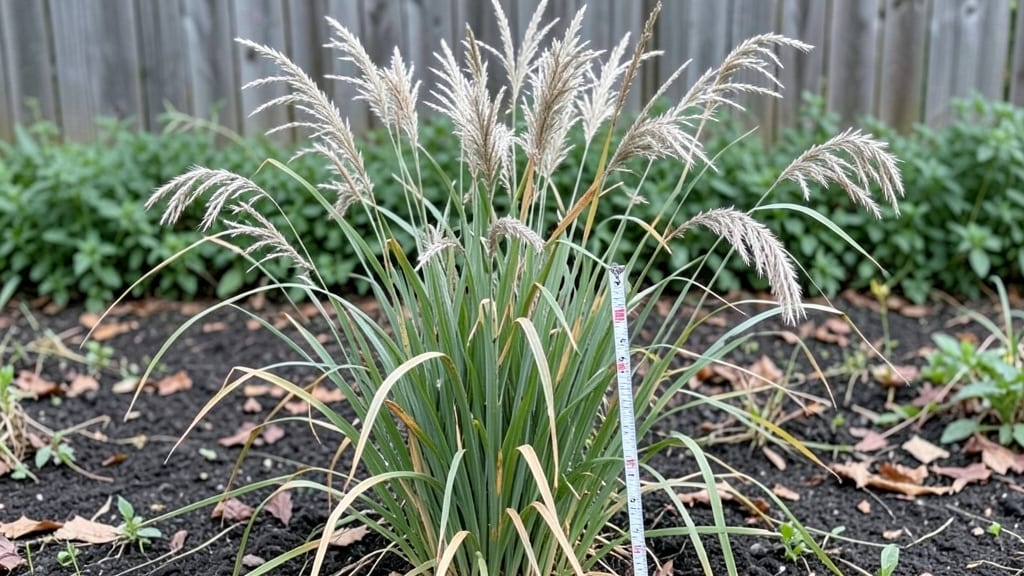
Maiden grass grows between 4 to 7 feet tall at maturity, with certain varieties like Miscanthus sinensis potentially reaching 8 feet or more in perfect growing conditions. The plant's elegant, arching seed heads add dramatic vertical interest to garden spaces.
Maiden grass height varies significantly between species and cultivars, which is why I always recommend checking the specific variety you're planting. 🌱 The Miscanthus sinensis group tends to be the tallest, while dwarf varieties like Miscanthus transmorrisonensis stay under 3 feet.
What's fascinating is how these grasses respond to their environment—rich, well-drained soil and full sun can push growth toward the upper limits, while poor conditions might keep them more compact. This adaptability makes maiden grass a favorite for both large landscapes and container gardens.
For those planning garden layouts, remember that maiden grass spreads through rhizomes, so its mature height and spread should both factor into your spacing decisions. The arching plumes can add 3 to 5 feet of width to your design, creating stunning vertical accents that catch light beautifully in autumn.
Many gardeners prune in late winter to control size and encourage fresh new growth.
💡 In This Article
- Maiden Grass Varieties and Their Height Differences
- Optimal Growing Conditions for Maiden Grass Height
Maiden grass varieties and their height differences
The height of maiden grass varies dramatically between species, with some reaching towering heights while others remain compact. Take Miscanthus sinensis 'Zebrinus', a popular cultivar with striking yellow-and-green striped leaves that typically grows 4 to 6 feet tall.
This variety's height is influenced by its clumping growth habit, which creates a more contained, upright form compared to spreading types. In contrast, Miscanthus giganteus can soar to 8 to 12 feet under ideal conditions, making it one of the tallest ornamental grasses available. 🌿
What's fascinating is how growth habits differ even within the same species. For example, Miscanthus sinensis typically grows in clumps, reaching 5 to 7 feet, while Miscanthus sacchariflorus spreads aggressively through rhizomes and can reach 6 to 10 feet with a more dramatic, arching form.
The Miscanthus transmorrisonensis group stays much shorter, usually 2 to 3 feet, with a dense, mounding habit perfect for smaller gardens or containers. These differences come from genetic variations in growth regulators and rhizome development patterns.
Climate plays a crucial role in determining final height. In warmer regions with long growing seasons, maiden grasses often grow taller and more vigorously. For instance, Miscanthus sinensis 'Malepartus' may reach 7 feet in the southeastern U.S. but stay closer to 5 feet in cooler northern climates.
Soil fertility also matters—well-amended soil with good drainage can push growth toward the upper limits of a variety's range, while poor soil conditions may keep plants more compact. The arching plumes develop best with adequate sunlight, which is why full sun exposure typically results in taller, more robust plants. 🌱
For gardeners working with limited space, dwarf varieties like 'Little Kitten' (2 to 3 feet) or 'Cabaret' (3 to 4 feet) offer stunning visual impact without overwhelming smaller landscapes. These varieties maintain their compact size even in ideal growing conditions, thanks to genetic dwarfing traits.
Meanwhile, the tallest varieties like Miscanthus sacchariflorus require more space and may need staking in windy locations to prevent flopping. The key is matching your variety to both your space and climate zone.
One interesting exception is Miscanthus sinensis 'Gracillimus', which typically grows 4 to 6 feet but can reach 8 feet in exceptionally fertile conditions. This variety's height is particularly sensitive to nitrogen levels in the soil—too much fertilizer can lead to weak stems that flop under their own weight.
The balance between nutrients, water, and sunlight creates the perfect conditions for maximizing height while maintaining structural integrity. 💫
When selecting maiden grass for your garden, consider not just height but also the plant's spread and growth habit. Some varieties like 'Malepartus' develop striking red-purple fall colors on their 5-foot stems, while others like 'Zebrinus' offer year-round visual interest with their striped foliage.
The right choice depends on your garden's scale, your climate, and the visual impact you want to create—whether that's a dramatic vertical accent or a subtle textural element. 🌿