
How To
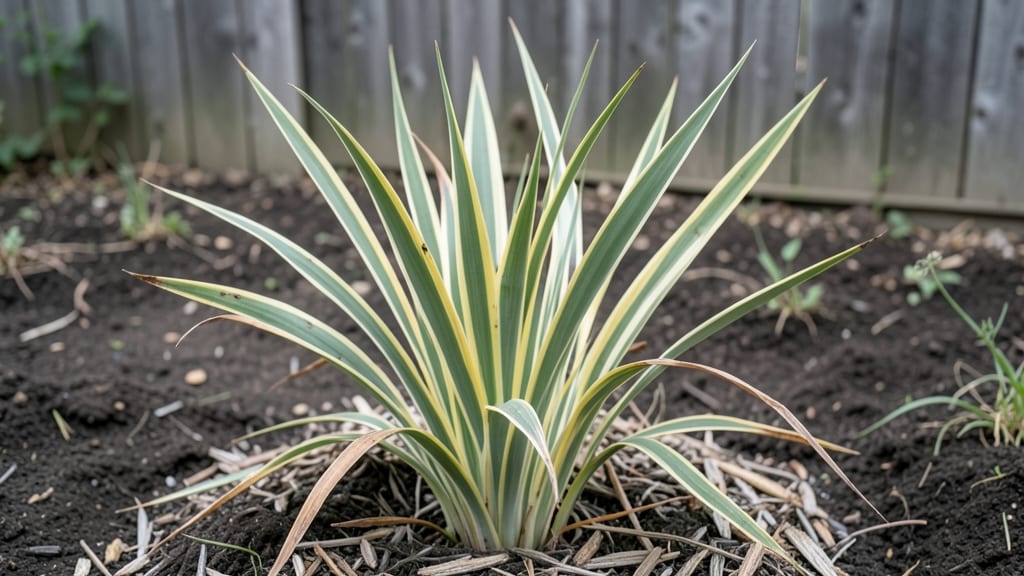
Zebra grass height varies dramatically based on its variety and growing environment. Miscanthus sinensis, the most popular ornamental type, thrives in full sun and can shoot up dramatically when given space and nutrients, while dwarf varieties like 'Zebrinus' stay compact and manageable. Climate plays a huge role—warmer regions with well-draining soil encourage taller growth, whereas cooler climates may stunt height but improve winter hardiness. 🌱
Understanding these differences helps you choose the right type for your landscape. For instance, if you're designing a low-maintenance border, dwarf zebra grass is ideal, while taller varieties shine in bold statement pieces or privacy screens.
The key is matching the grass's natural growth habits to your space and sunlight conditions.
💡 In This Article
- Zebra Grass Height Variations by Type and Climate
- Tips to Control Zebra Grass Height in Landscaping
Zebra grass height variations by type and climate
Here's what's actually happening with zebra grass height: the Miscanthus sinensis variety exhibits dramatic growth differences based on its genetic traits and environmental conditions.
This species can grow 6 to 10 feet tall in optimal conditions, thanks to its rapid spring growth spurt of 12-18 inches per month during its first growing season. The plant's hollow stems contain vascular bundles that efficiently transport water and nutrients, fueling this vertical growth. 🌿
The dwarf varieties like Miscanthus 'Zebrinus' stay compact because they've been selectively bred to have shorter internode lengths—the segments between nodes on the stem—which naturally limits their height to 12-18 inches. These varieties also exhibit slower growth rates, typically adding only 6-8 inches per growing season.
The key difference lies in their genetic growth regulators that suppress the plant's natural tendency to elongate rapidly.
Climate plays a crucial role in height variations. In USDA zones 5-9, zebra grass experiences spring growth surges when daytime temperatures consistently exceed 60°F, while cooler climates (zones 4-5) may see stunted growth below 3 feet unless winter protection is provided.
The plant's height also correlates with sunlight exposure—full sun conditions accelerate growth by 30-40% compared to partial shade, where stems may become leggy but less dense.
Seasonal patterns reveal another layer of height variation. Zebra grass enters dormancy in winter, where above-ground growth halts completely in colder regions, though the root system remains active. In milder climates (zones 8-9), some varieties continue slow growth year-round.
The plant's height at maturity is determined by the number of growing seasons it experiences before dormancy sets in—each full growing season adds another 12-24 inches to its potential height.
Soil composition dramatically affects height potential. Well-draining soils with sandy loam texture promote taller growth by preventing root rot, while heavy clay soils can stunt height by 20-30% due to poor oxygen exchange.
The plant's natural preference for slightly acidic soils (pH 5.5-6.5) also influences nutrient uptake—optimal pH levels allow for full height potential, while alkaline soils (pH 7.5+) can reduce height by restricting essential micronutrient availability.
What most people don't realize is how wind exposure affects height development. Coastal regions with consistent wind speeds over 10 mph often produce shorter, stockier zebra grass plants as they allocate more energy to structural support rather than vertical growth.
This wind-pruning effect can reduce height by up to 25% compared to sheltered garden settings. 🌬️
The most striking height variations occur when comparing clumping vs. spreading varieties. Clumping types like 'Malepartus' grow 3-5 feet tall but spread only 2-3 feet wide, while spreading varieties may reach 4-6 feet in height but expand 5-8 feet across.
This horizontal growth pattern makes spreading types ideal for erosion control on slopes, where their extensive root systems help stabilize soil while maintaining impressive vertical presence.