
Lawn
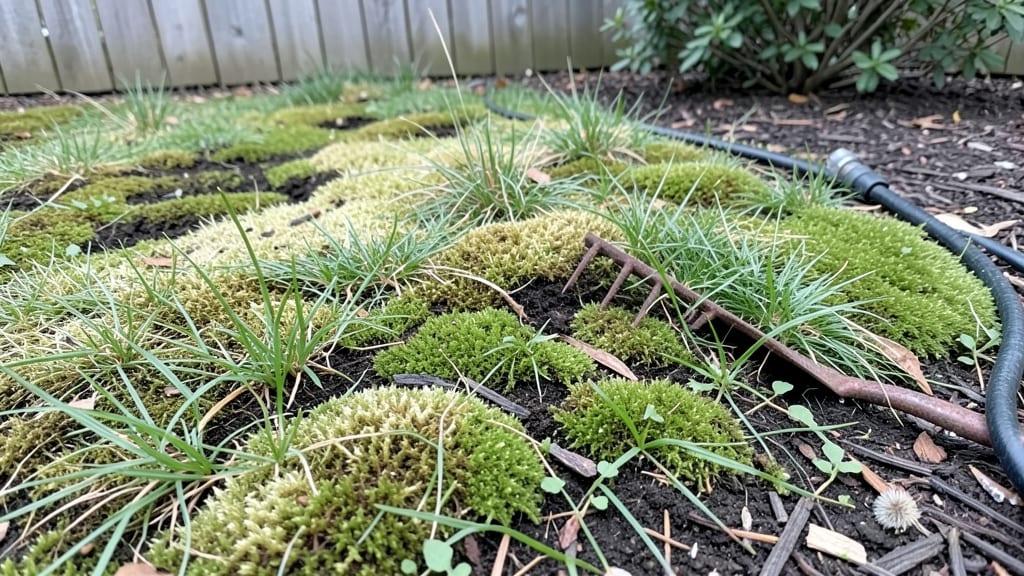
Eliminating moss from your lawn starts with understanding why it’s thriving there in the first place—shady spots, compacted soil, and acidic conditions create the perfect home for it. 🌱 I’ve battled moss in my own yard, and the key isn’t brute force but fixing the underlying issues while giving grass a fighting chance.
The good news? You don’t need harsh chemicals to win this fight—just the right approach and a little patience.
Most people make the mistake of attacking moss without addressing the real problem: poor drainage, lack of sunlight, or soil that’s too dense. I learned the hard way that simply raking it away just buys you time—unless you also improve airflow, adjust pH, and encourage grass growth.
A simple sand top-dressing or lime application can work wonders, but timing matters. Spring or early fall is your best shot for long-term results.
By the end of this process, you’ll have a lawn that’s thick, green, and moss-free—no more spongy patches or that telltale green carpet stealing the show. The grass will spread naturally, outcompeting moss for space, and you’ll finally enjoy that lush, healthy look you’ve been dreaming of.
Let’s get started with the steps that actually work.
Here’s the thing—moss control isn’t a one-time fix. It’s about creating conditions where grass thrives year-round, whether that means adjusting mowing height, aerating compacted soil, or adding a layer of compost. Once you see the difference, you’ll never look back. Ready to reclaim your lawn?
Root Causes of Lawn Moss
Moss thrives in lawns not because it’s aggressive, but because it’s opportunistic—it takes advantage of conditions that grass struggles with. Understanding the why behind moss growth is the first step to reclaiming a thick, healthy lawn.
Below, we break down the science-backed reasons moss invades your grass, so you can address the root (literally) of the problem.
###
🌧️ Excess Moisture and Poor Drainage
Moss loves water—too much of it. Unlike grass, which needs well-drained soil to avoid root rot, moss thrives in consistently damp environments. Here’s how it happens:
- Compacted Soil: Heavy foot traffic, machinery, or clay-heavy soil compresses the ground, preventing water from draining. Moss spores land on the surface, germinate, and spread because the grass roots can’t access oxygen or nutrients.
- Shady, Low-Lying Areas: Water pools in depressions or under trees where sunlight is limited. Moss grows here because it doesn’t need photosynthesis like grass—it absorbs moisture directly from the air.
- Overwatering: While grass needs regular watering, daily or shallow watering keeps the topsoil soggy. Moss spores, which can lie dormant for years, activate when the soil stays wet for extended periods.
Actionable Fix: Test your soil’s drainage by digging a 6-inch hole, filling it with water, and timing how long it takes to drain. If it takes <4 hours, your lawn may be too soggy for grass.
###
🌿 Shade and Weak Grass Competition
Grass is a sun-worshipper. When it’s deprived of light—whether from tall trees, buildings, or dense shrubs—it weakens, leaving gaps for moss to move in. Here’s the breakdown:
- Photosynthesis Struggle: Grass needs 4–6 hours of direct sunlight daily to produce energy. In shady spots, it grows slowly, develops shallow roots, and becomes stressed, making it vulnerable to moss.
- Moss’s Advantage: Moss doesn’t need sunlight; it absorbs nutrients from decaying organic matter and moisture in the air. It outcompetes weak grass by forming dense mats that smother soil, blocking light even further.
- Thatch Buildup: In shady areas, grass clippings and debris accumulate faster, creating a thick thatch layer. This traps moisture and blocks oxygen, creating the perfect moss habitat.
Actionable Fix: If your lawn has persistent shade, choose shade-tolerant grass varieties like fine fescue or creeping red fescue. Otherwise, consider replacing mossy areas with ground covers or mulch.
###
🧪 Acidic Soil pH
Most lawn grasses prefer a neutral to slightly alkaline soil pH (6.0–7.5), while moss thrives in acidic conditions (below 6.0). Here’s how pH affects moss growth:
- Natural Acidification: Organic matter like fallen leaves, pine needles, or decomposed plant material breaks down into humic acids, lowering pH over time. Moss loves this environment because it releases its own acids to break down nutrients.
- Grass Struggles: Acidic soil locks up essential nutrients like nitrogen, phosphorus, and potassium, which grass needs to grow. Weak grass = more space for moss.
- Fungal Allies: Moss often teams up with fungi that further acidify the soil, creating a feedback loop that keeps moss dominant.
Actionable Fix: Test your soil’s pH with a DIY kit or send a sample to a local extension office. If pH is below 6.0, apply lime (calcium carbonate) in early fall to raise it gradually.
###
🌱 Lack of Soil Aeration and Nutrients
Grass roots need oxygen, water, and nutrients to stay healthy. When soil becomes depleted or compacted, moss moves in like a squatter. Here’s how it plays out:
- Compacted Roots: Without aeration, grass roots suffocate, starving for oxygen. Moss, with its rhizoids (root-like structures), can still absorb moisture and nutrients from the surface.
- Nutrient Starvation: Over time, lawns lose nitrogen, potassium, and other essential minerals. Moss doesn’t need these in high amounts—it thrives on decaying organic matter, while grass demands them.
- Weak Recovery: Even if you fertilize, compacted soil prevents nutrients from reaching the roots, leaving grass weak and moss-dominated.
Actionable Fix: Aerate your lawn in early fall or spring using a core aerator (the kind that pulls out small soil plugs). Follow up with a balanced fertilizer (10-10-10 or 16-4-8) to restore nutrients.
Key Takeaway: Moss isn’t just a nuisance—it’s a symptom of deeper lawn health issues. By addressing moisture, shade, pH, and soil quality, you’ll create an environment where grass can outcompete moss naturally. The good news? Once you fix these conditions, your lawn will be resilient enough to crowd out moss for good.
How to solve it
Moss might seem like an unstoppable foe, but with the right approach, you can reclaim your lawn without harsh chemicals. The key is addressing the root causes—literally—while giving your grass the competitive edge it needs.
Below, we break down targeted solutions for common moss triggers, from shade to poor soil, along with long-term prevention strategies to keep your lawn lush and moss-free.
###
🌱 Cause 1: Compacted or Poor Soil
If your soil is hard, waterlogged, or nutrient-poor, moss thrives while grass struggles. Here’s how to fix it:
- 🔥 Aerate your lawn: Rent a core aerator or use a manual aerator to pull out small soil plugs (1–2 inches deep). This relieves compaction and lets air, water, and nutrients reach grass roots. Best time: Early fall or spring.
- 🍳 Add organic matter: Spread a ¼-inch layer of compost or well-rotted manure over the lawn. Rake it in lightly, then water thoroughly. This improves soil structure and feeds beneficial microbes.
- 👨🍳 Top-dress with sand (optional): Mix coarse sand (like builder’s sand) with compost (50/50) and spread it evenly. This helps loosen dense clay soils over time.
💡 Pro Tip: Test your soil’s pH (ideal for grass: 6.0–7.0). If it’s too acidic (<5.5), sprinkle garden lime in fall and re-test next spring.
###
☀️ Cause 2: Too Much Shade
Moss loves shade, but you can outcompete it with shade-tolerant grass and strategic sunlight boosts.
- 🌿 Overseed with shade-friendly grass: Choose slow-growing varieties like fine fescue or Kentucky bluegrass. Spread seed in early fall with a starter fertilizer (low nitrogen, high phosphorus). Keep soil moist for 4–6 weeks.
- 🔪 Trim overhanging branches: Prune trees to let at least 4–6 hours of sunlight reach the lawn daily. Even small improvements help grass outgrow moss.
- ⏰ Mow higher in shade: Set your mower to 3–4 inches. Taller grass shades out moss and develops deeper roots.
✨ Prevention: If shade is permanent, consider replacing mossy patches with clover or creeping thyme—they tolerate low light and deter moss.
###
💧 Cause 3: Excess Moisture or Poor Drainage
Moss thrives in soggy conditions. Fix drainage issues and adjust watering habits to dry out the lawn.
- 🌡️ Improve drainage:
- For low spots, dig a shallow trench (6–8 inches deep) and fill it with gravel or sand.
- If your yard has clay soil, amend it with gypsum (follow package rates) to break up compaction.
- 💦 Water less, but deeper: Water early in the morning (4–6 AM) for 20–30 minutes, 2–3 times per week. Avoid light, frequent watering, which keeps moss happy.
- 🎯 Install a French drain (if needed): For severely waterlogged areas, bury a perforated pipe surrounded by gravel to redirect excess water.
💡 Pro Tip: After heavy rain, walk on your lawn to check for muddy footprints. If they linger, drainage is the issue.
###
🍂 Cause 4: Low-Nitrogen Soil
Moss spreads when grass lacks nitrogen for growth. Feed your lawn the right way to starve out moss.
- 📊 Use a slow-release fertilizer: Apply a low-phosphorus, high-nitrogen fertilizer (like 30-0-4) in early spring and fall. Avoid fast-release fertilizers—they can burn grass.
- 🥗 Add nitrogen-rich amendments:
- Blood meal (organic, 12% nitrogen)
- Alfalfa meal (organic, slow-release)
- Corn gluten meal (also acts as a pre-emergent for weeds)
- 🌱 Compost tea (DIY boost): Steep compost in water for 24–48 hours, strain, and spray on the lawn. This adds microbes and nutrients without chemicals.
⚠️ Warning: Don’t over-fertilize—this can lead to thatch buildup, which worsens moss problems.
###
🛡️ Cause 5: Weeds and Thatch Buildup
Thatch (a layer of dead grass) and weeds create the perfect moss habitat. Break the cycle with these steps:
- 🔪 Dethatch if needed: Use a rake or dethatching machine to remove thatch thicker than ½ inch. Do this in early spring when grass is actively growing.
- 🌿 Control weeds naturally:
- Hand-pull weeds (especially broadleaf types) when soil is moist.
- Apply corn gluten meal in early spring to prevent weed seeds from germinating.
- 🍃 Overseed bare spots: Fill in thin areas with grass seed and top with a thin layer of straw to protect seeds from drying out.
💡 Pro Tip: A lawn coring + overseeding combo in fall is the most effective way to crowd out moss long-term.
###
🌟 Prevention Checklist: Keep Moss Away for Good
Once you’ve eliminated moss, maintain a healthy lawn with these habits:
| Task | When | Why It Works |
|---|---|---|
| Core aerate | Early fall or spring | Relieves compaction, improves root growth |
| Test soil pH | Every 2–3 years | Ensures grass has optimal conditions |
| Mow high (3–4 inches) | Regularly, never remove >⅓ of blade | Shades out moss, encourages deep roots |
| Water deeply, infrequently | Early morning, 2–3x/week | Prevents soggy conditions moss loves |
| Fertilize with nitrogen | Spring and fall | Feeds grass, outcompetes moss |
| Overseed thin areas | Early fall | Fills gaps before moss moves in |
With consistency, your lawn will become
Frequently asked questions
Why does moss keep coming back even after I remove it?
Moss returns because it’s addressing the same underlying issues—like poor drainage, acidic soil, or shade—that your grass can’t handle. Simply raking it away buys temporary relief, but you must fix the root causes (literally) by improving soil aeration, adjusting pH with lime, or enhancing sunlight exposure. Without these changes, moss will keep reclaiming the same spots.
Is it safe to use vinegar or salt to kill moss?
Vinegar or salt can kill moss quickly, but they’re not ideal for long-term lawn health. Vinegar’s acidity can harm grass and soil microbes, while salt can damage nearby plants and leave toxic residues. For a safer approach, use a mix of sand and lime to improve soil conditions, or apply a natural moss killer like iron-based products designed for lawns.
How long does it take to see results after treating moss?
Visible improvements usually appear within 4–6 weeks, but full recovery can take up to 3 months, depending on your lawn’s condition. Aerating, overseeding, and adjusting soil pH show faster results than just removing moss. Consistency is key—stick to a seasonal maintenance routine (spring and fall) for the best long-term outcomes.
Can I just replace mossy areas with mulch or ground cover?
Yes! If moss persists in shady or high-traffic areas where grass struggles, consider replacing it with clover, creeping thyme, or moss-resistant ground covers. These options thrive in low-light conditions and crowd out moss naturally. Just ensure the soil is amended first—poor drainage or acidic pH will still let moss creep back in over time.
What’s the best time of year to tackle moss?
Early fall (September–October) is the best time because cooler temperatures and increased rainfall help grass recover faster. Spring (March–April) is a close second, especially if you overseed. Avoid treating in summer heat or winter dormancy—your lawn won’t respond as well, and moss may rebound quickly.