
How To
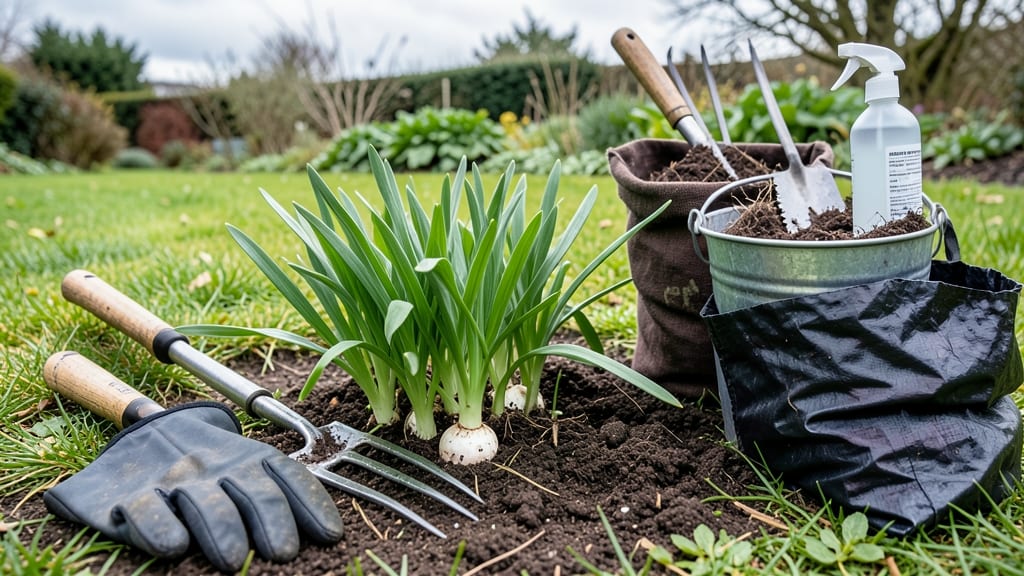
Wild onions can turn your lawn into a patchwork of thin spots and onion scapes by next spring. ✨ I've spent three summers battling these invasive weeds, and I've perfected a method that removes every root—no regrowth, no excuses.
The key is precision digging when the soil is soft, paired with a few smart tools and a little patience.
These weeds spread through underground bulbs that can sit dormant for years, so surface treatments like mowing or herbicide sprays rarely work. You need to dig out the entire bulb—roots and all—to stop them from popping back up.
My first attempt failed because I missed tiny bulblets, but now I use a garden fork to loosen the soil first, making it easier to spot and pull every last piece.
By late summer or early fall, when temperatures drop but the ground stays workable, your lawn will look completely different. No more onion smell when you mow, no more patchy grass where the weeds took over.
The secret is checking your work: toss the pulled weeds into a sealed bag and inspect the soil for missed bulblets.
This method works in any climate where wild onions thrive—just time it right. For preventive measures, overseed bare spots with thick grass varieties like tall fescue or Kentucky bluegrass. The denser the turf, the harder it is for new onions to establish themselves.
The Hidden Roots of Lawn Invaders
Wild onions—those sneaky, grass-like weeds with a pungent aroma—don’t just appear in your lawn by accident. Their presence is usually a sign of underlying conditions that create the perfect environment for their growth.
Understanding these causes is the first step to stopping them before they spread. Let’s dig into what’s really going on beneath your turf.
Wild onions thrive in soil that’s either overly fertile or densely packed. Here’s why:
- Excess Nutrients: Lawns fertilized heavily with nitrogen (common in fast-growing grass mixes) create ideal conditions for wild onions. These weeds compete aggressively for nutrients, and rich soil gives them the upper hand. Think of it like a buffet—wild onions are the guests who show up hungry and stay for weeks.
- Compacted Soil: Heavy foot traffic, machinery, or clay-heavy soils can compress the top layer, preventing proper drainage and root penetration. Wild onions exploit these gaps because their shallow, fibrous roots can squeeze into tight spaces where grass struggles. Compacted soil also traps moisture, which wild onions love.
- Actionable Fix: Test your soil’s pH and nutrient levels (aim for a balanced 6.0–7.0 pH). If compacted, aerate in early fall or spring to loosen the soil and improve water absorption. Over-seeding with a dense grass variety like tall fescue or perennial ryegrass can outcompete wild onions for space and resources.
Wild onions are opportunistic weeds that capitalize on moisture imbalances. Here’s how water plays a role:
- Excess Moisture: They prefer damp conditions, especially in lawns with sprinkler systems that keep soil consistently wet. Unlike drought-tolerant grasses, wild onions send up shoots quickly when the top inch of soil stays moist for days. This is why they often appear in low-lying areas or after heavy rains.
- Poor Drainage: Clay soils or sloped lawns that pool water create pockets where wild onions take root. Their bulb-like structures store water efficiently, allowing them to survive in soggy conditions where other plants would rot.
- Actionable Fix: Adjust your watering schedule to early morning (before 10 AM) and aim for 1 inch per week, including rainfall. Install a French drain or slope your lawn to improve drainage in problem areas. If your soil is clay-heavy, mix in compost or sand to enhance permeability.
Wild onions don’t just pop up in full sun—they’re masters of exploiting weak spots in your lawn. Here’s how:
- Partial Shade: While they tolerate sun, wild onions often dominate in areas with 30–50% shade (e.g., under trees or near fences). Many lawn grasses struggle in these conditions, leaving gaps that wild onions rush to fill. Their ability to photosynthesize efficiently in low light gives them an edge.
- Thin or Patchy Grass: Bare spots from disease, pet urine, or foot traffic create entry points. Wild onions spread via bulbils (tiny bulb-like structures) and seed pods, which scatter easily in disturbed soil. A lawn with less than 80% coverage is an open invitation.
- Actionable Fix: Overseed shady areas with fine fescue or creeping red fescue, which tolerate low light better than Kentucky bluegrass. For sunlit patches, thicken grass with a high-quality seed mix and apply a pre-emergent herbicide in early spring to block wild onion seeds from germinating.
Wild onions don’t just grow—they reproduce aggressively and spread like a lawn takeover operation. Here’s how they multiply:
- Bulbils (Mini-Bulbs): Unlike true onions, wild onions produce bulbils at the tips of their flower stems. These are essentially baby bulbs that detach when mowed or disturbed, rolling into the soil to grow into new plants. A single plant can release hundreds of bulbils per season.
- Seed Pods: After flowering, wild onions develop round, papery seed pods that split open to release seeds. These seeds can lie dormant for years in the soil, waiting for the right conditions to sprout.
- Underground Bulbs:** Their true bulbs (like garlic’s) store energy and can regrow even if sliced or partially removed. This is why shallow digging often fails—pieces left behind regenerate.
- Actionable Fix:
- ✅ Mow high (3–4 inches) to prevent bulbils from detaching and scattering.
- ✅ Remove flower stalks before they seed by hand-pulling or mowing them down early in the season.
- ✅ Dig deeply (4–6 inches) when removing bulbs to avoid leaving fragments.
Wild onions aren’t just weeds—they’re survivalists that exploit your lawn’s weaknesses. By addressing soil health, water habits, grass density, and their reproductive tricks, you can starve them out before they become a full-blown invasion. Next up: how to evict them for good.
Eradicating Wild Onions Step by Step
Wild onions may seem harmless at first glance, but their tenacious roots can turn your lawn into an unwelcome garden of regrowth if left unchecked. The good news? With the right approach, you can reclaim your grass—permanently.
Below, we break down the most effective solutions based on the root cause of your wild onion problem, from manual removal to long-term prevention.
If wild onions have just started popping up in isolated patches, hand-pulling is your first line of defense—especially when the soil is moist. Follow these steps for the best results:
- 🌱 Wait for the Right Time Pull weeds after a rainy day or water the area thoroughly 24 hours before. Damp soil makes roots easier to extract without breaking.
- 👩🍳 Grab and Twist (Don’t Just Yank!) Use a weed puller, garden fork, or even your hands (wear gloves!) to grip the base of the plant. Twist gently while pulling upward to loosen the root system. If the root snaps, you’ll likely see regrowth—so persistence pays off.
- 🔪 Check for Root Fragments Even a 1-inch piece of root can sprout a new plant. Inspect your gloves and tools for leftover bits and dispose of them in the trash (not the compost!).
- 🌿 Fill the Holes After removal, pack the soil back into the holes and water lightly to encourage grass regrowth.
✨ Pro Tip: Do this in early spring or fall when weeds are most vulnerable and your lawn is actively growing.
When wild onions have spread aggressively, chemical or natural herbicides can give you an edge. Here’s how to use them safely and effectively:
💡 Natural Option: Vinegar Spray (Best for Small Areas)
- Mix 1 gallon of white vinegar (20-30% acetic acid), 1 cup of dish soap, and 2 tablespoons of salt in a spray bottle.
- ⚠️ Warning: This will kill all plants in the spray zone—use it only on bare soil or between cracks in pavement where grass isn’t growing.
- Spray directly on the leaves on a sunny day (heat enhances effectiveness).
- Reapply every 3-5 days until the onions are fully brown and dead.
🎯 Synthetic Herbicides (For Lawns with Grass)
- Pre-emergent herbicides (like pendimethalin) applied in early spring prevent wild onion seeds from germinating.
- Post-emergent herbicides (such as glyphosate or triclopyr) kill existing plants but may harm grass.
Always follow label instructions and water the lawn afterward to protect surrounding plants. - Spot-treat with a selective herbicide like 2,4-D if your lawn has clover or other broadleaf weeds.
💡 Pro Tip: For organic lawns, try corn gluten meal in early spring—it’s a natural pre-emergent that suppresses weeds without chemicals.
If wild onions have thickened into a colony, shallow pulling won’t cut it. You’ll need to dig deep to break up the bulb and rhizome network:
- 👨🍳 Use a Garden Fork or Dandelion Digging Tool Insert the tool 4-6 inches deep and pry upward to sever the roots below the soil surface.
- 🔪 Remove Every Last Piece Wild onions can regrow from tiny root fragments. Sift through the soil with your hands or a fine mesh screen to ensure no pieces are left behind.
- 🌱 Solarize the Soil (For Extreme Cases)
- Cover the dug-up area with clear plastic sheeting for 4-6 weeks in hot summer weather.
- The sun will bake the soil, killing remaining roots and seeds.
- After solarization, reseeding with grass will help reclaim the space.
✨ Pro Tip: If your lawn has thatch buildup, aerate first—this gives you better access to deep roots and improves herbicide penetration.
The best way to remove wild onions? Never let them take hold in the first place. Here’s how to future-proof your lawn:
🌱 Maintain a Healthy, Dense Lawn
- Mow high (3-4 inches) to shade out weeds.
- Fertilize properly—wild onions thrive in poor, compacted soil.
- Overseed thin areas in fall to fill bare spots where weeds can sneak in.
🌡️ Control Moisture & Soil Conditions
- Wild onions love moist, fertile soil. Improve drainage and reduce watering in problem areas.
- Aerate annually to prevent soil compaction, which weakens grass and invites weeds.
🔍 Monitor & Act Fast
- Inspect your lawn weekly in spring and fall—early removal is easiest.
- Pull new sprouts immediately before they establish roots.
🛡️ Natural Deterrents
- Plant competitive ground covers like creeping thyme or clover in high-traffic areas where grass struggles.
- Spread wood chips or mulch in garden edges to smother wild onion seeds.
Final Thought: Wild onions may be tough, but they’re not invincible. Combine manual removal, targeted treatments, and preventive care, and you’ll send these pesky invaders packing—for good. 🚜💨
Frequently asked questions
Why do wild onions keep coming back after I pull them?
Wild onions spread through tiny bulblets and root fragments—even a 1-inch piece can regrow. You must remove the entire bulb (4-6 inches deep) and check for missed pieces. The best time is after rain when soil is soft, making roots easier to extract completely.
Can I use vinegar to kill wild onions in my lawn?
Vinegar works for spot treatment but will kill all plants in the area—use it only on bare soil or driveways. Mix 1 gallon white vinegar (20% acetic acid), 1 cup dish soap, and 2 tablespoons salt, then spray on sunny days. Reapply every 3-5 days until onions are brown and crispy.
What’s the best time of year to remove wild onions?
Target early spring or fall when soil is moist and weeds are actively growing. Avoid summer heat or winter frost—roots are harder to extract. For maximum results, combine removal with overseeding to prevent regrowth.
How do I know if I’ve removed all the roots?
Inspect your gloves, tools, and soil for tiny bulblets or root fragments. Even a pea-sized piece can sprout. Sift through the soil with your hands or a fine mesh screen to ensure complete removal. Pro tip: Toss pulled weeds in the trash (not compost).
Will herbicides actually work on wild onions?
Yes, but choose carefully. Pre-emergent herbicides (like pendimethalin) stop seeds from germinating, while post-emergent options (glyphosate or triclopyr) kill existing plants. For organic lawns, try corn gluten meal in early spring—it suppresses weeds naturally without harming grass.