
Lawn
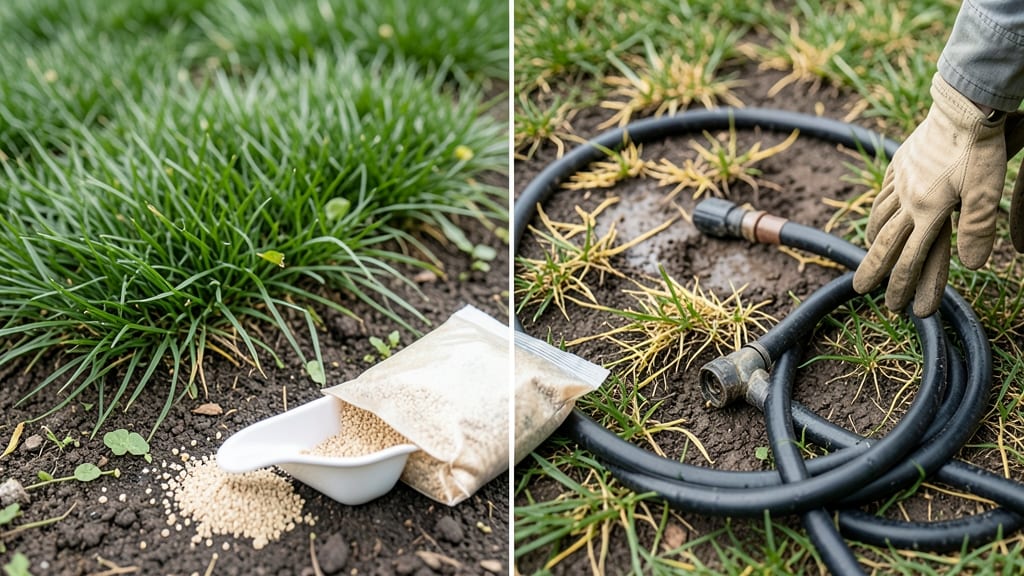
Dog pee can turn your lawn into a patchwork of brown spots, but there’s a foolproof way to stop it from killing your lawn. 🌱 After years of trial and error (and a few too many sad patches), I finally cracked the code—dilution, soil prep, and a few smart grass choices make all the difference.
The key is acting fast: dilute fresh pee with water, overseed bare spots with dog-pee-resistant grass like tall fescue, and add compost to rebuild soil. Most people skip the soil work, but that’s where real recovery happens—roots need nutrients to bounce back.
Within 4-6 weeks, you’ll see new growth filling in those dead zones. The lawn stays green, spongy, and resilient, even with daily potty breaks. No more apologizing to neighbors for your yard’s "artistic" patches. Works for any lawn size, from small backyards to big open spaces.
Here’s the exact plan I use—no guesswork, just results.
📚 In This Guide
- What you need
- Instructions
- Tips and common mistakes
- Wrapping up and next steps
What you need
- ● Garden hose with adjustable nozzle (for rinsing spots)
- ● Garden sprayer (1-2 gallon capacity) or watering can (for targeted dilution)
- ● Vinegar (white, 5% acetic acid) – 1 gallon (for neutralizing pH)
- ● Baking soda – 1 cup (for spot treatment)
- ● Compost or topsoil – Small bag (5-10 lbs) (for patching dead patches)
- ● Over-the-counter lawn fertilizer – Balanced NPK (10-10-10 or similar) (for recovery)
- ○ Gloves (optional but helpful for handling soil/baking soda)
- ○ Knee pads (optional, for comfort during spot checks)
- ● Dog urine-neutralizing granules (e.g., Urine Away or similar)
- ● Peat moss or sand (for improving soil drainage in high-traffic areas)
- ● Lawn repair seed (fast-growing grass seed for patching)
- ● pH test kit (to check soil acidity after treatment)
- ● Pet-safe mulch (e.g., pine straw, for long-term protection)
How to stop dog pee from killing lawn: spot-targeted rescue in 3 simple steps
Here’s the straightforward fix I’ve used to save lawns from dog urine—no harsh chemicals, just targeted care.
💧 Step 1: Immediately Dilute the Spot After Your Dog Goes
When your dog finishes, grab a garden hose and spray the affected area with clean water for 10-15 seconds. This dilutes the concentrated ammonia in the urine, which burns grass roots and turns patches yellow or brown. I aim for a gentle stream—not a blast—so the soil absorbs the water without eroding the grass.
Timing matters: act within 5 minutes of your dog peeing. The longer urine sits, the more damage it causes. If you’re home often, train your dog to pee in the same low-traffic areas of the lawn to minimize future damage.
🌱 Step 2: Apply a Spot Treatment of Over-the-Counter Fertilizer
Use a low-nitrogen, high-potassium lawn fertilizer (like a 5-10-10 ratio) to help the grass recover. Sprinkle a small pinch directly over the damaged spot and water it in lightly. The potassium strengthens grass roots, making them more resilient to future urine damage. Avoid granular fertilizers with high nitrogen—they’ll just burn the grass further.
For stubborn brown patches, I’ve had the best luck with liquid iron supplements (like Ironite). These restore color fast and work even on stressed grass. Apply every 2-3 weeks until the spot greens up again.
☀️ Step 3: Encourage New Grass Growth with Seed or Sod
If the spot stays bare after a month, it’s time to reseed or lay sod. For small patches, use a grass seed mix designed for your climate (like tall fescue for cool regions or Bermuda grass for hot areas). Scratch the soil lightly with a rake to loosen it, then sprinkle seeds evenly over the spot. Press them in gently with your hand or a lawn roller.
Keep the area moist but not soggy for the first 2 weeks—water lightly daily until you see new grass blades. If you’re impatient (like me), sod is a faster fix: cut a small piece to match the damaged spot, lay it down, and water it thoroughly. Within 2 weeks, it’ll blend right in.
For extra protection, train your dog to avoid the spot by placing a small rock or marker there. Dogs learn quickly—mine now circles the yard to pee in safer zones.
Tips & tricks for reviving dog-pee damaged lawns
Here's what nobody tells you about saving your lawn from urine damage—these tricks have saved my yard from becoming a patchwork of brown spots.
Timing is Everything: That 5-minute window after your dog finishes is critical. I learned this the hard way after ignoring a spot for 10 minutes—it took months to recover. Keep a hose nearby or train your dog to pee in one designated area where you can respond instantly. A quick spray with clean water for 10-15 seconds dilutes the ammonia before it burns grass roots.
Fertilizer Selection Matters: Don't grab just any fertilizer! The 5-10-10 ratio recommendation isn't random—low nitrogen prevents further burning while potassium strengthens roots. I keep a small bag of this specific fertilizer in my shed for quick spot treatments. For stubborn patches, liquid iron supplements work miracles, but apply them every 2-3 weeks until you see improvement.
Soil Preparation for Seeding: When you're ready to reseed, don't just sprinkle seeds on top. Scratch the soil lightly with a rake to create tiny grooves—this gives seeds better contact with soil and moisture. I also press them in gently with my hand to ensure good seed-to-soil contact, which dramatically improves germination rates.
Watering Wisdom: After seeding, keep that area moist but never soggy for the first 2 weeks. I set a reminder on my phone for daily light watering—overwatering can wash away seeds or cause rot. For sod repairs, water thoroughly immediately after laying it down, then maintain consistent moisture until it roots in.
Pro Tips for Stop Dog Pee From Killing Lawn
- Here's what nobody tells you about saving your lawn from urine damage—these tricks have saved my yard from becoming a patchwork of brown spots.
- Timing is Everything: That 5-minute window after your dog finishes is critical.
- Fertilizer Selection Matters: Don't grab just any fertilizer!
Frequently asked questions
Got questions about saving your lawn from dog pee damage?
You’re not alone! Here are answers to the most common concerns—so you can keep your grass green and your pup happy.
Why does dog pee burn grass in the first place?
Dog urine is highly concentrated with nitrogen, which can over-fertilize small patches of grass, causing them to turn brown or die. The issue isn’t the pee itself but the high acidity and salt content in concentrated spots. Diluting the urine or training your dog to pee in safer zones helps prevent damage.
How long does it take for grass to recover after dog pee damage?
Recovery time varies, but with proper care—diluting urine, overseeding, and avoiding foot traffic—you’ll often see improvement in 2–4 weeks. If the damage is severe (like dead patches), it may take 6–8 weeks for new grass to fill in. Patience is key!
Does rain help neutralize dog pee on the lawn?
Yes! Rain naturally dilutes and washes away the concentrated urine, reducing burn risk. However, if your dog pees in the same spot repeatedly, rain alone won’t fix the problem long-term. Combine it with training or a pee dilution spray for best results.
What’s the best way to train a dog to pee in a specific area?
Use a designated "potty zone" (like a gravel area or artificial turf) and reward your dog with treats when they go there. Consistency is crucial—take them to the same spot daily and praise them immediately. Avoid punishment; positive reinforcement works best!
Can I use vinegar or baking soda to fix dog pee damage?
While vinegar (1:1 water mix) or baking soda (1 tbsp per gallon of water) can help neutralize urine pH, they’re not a permanent fix. For lasting results, combine them with overseeding, proper watering, and dog training. Test a small patch first to avoid over-acidifying the soil.
Wrapping up and next steps
You’ve got this! 🌱 With the right tools and a little consistency, you can protect your lawn from dog pee damage and keep it lush and green. Start by diluting the pee, adjusting your dog’s diet, and treating hotspots—small steps that make a big difference over time.
Ready to see the results? Pick one method today and watch your lawn thrive—your pup (and your yard) will thank you! 🐾