
Lawn
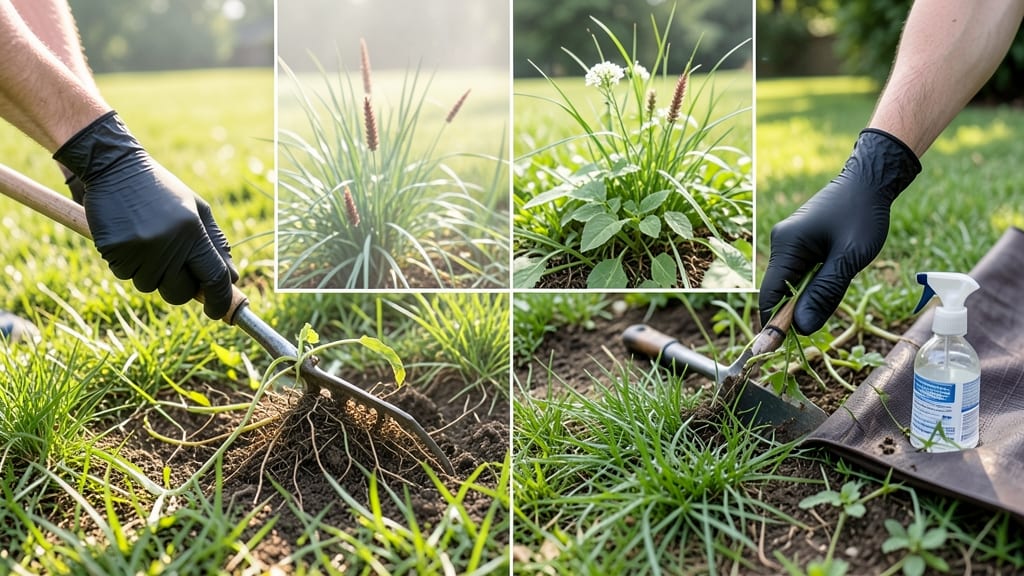
Invasive grasses in lawns can turn your green space into an unsightly jungle faster than you can say "mow." 🌱 I've battled these tough weeds for years, and I'm sharing the foolproof methods that finally gave me back control over my yard—without harsh chemicals.
The problem starts when aggressive grasses like crabgrass or nutgrass outcompete your lawn, creating bare patches that multiply every season. Most people reach for herbicides first, but that only masks the issue. Instead, we'll focus on targeted removal that actually fixes the root problem.
By the end of this, you'll have a lawn that stays thick, green, and weed-free all season long. The best part? These methods work for any grass type, from cool-season fescue to warm-season Bermuda.
Let's tackle this step by step—starting with identification and moving to long-term prevention that keeps your lawn healthy naturally.
How Invasive Grasses Take Over
Invasive grasses don’t just pop up overnight—they exploit lawns through a mix of biological advantages, environmental conditions, and even human habits. Understanding why these tough weeds spread is the first step to stopping them. Here’s a breakdown of the key factors that turn your lawn into their personal playground.
Most lawns are planted with cool-season grasses (like Kentucky bluegrass or fescue) or warm-season grasses (like Bermuda or Zoysia). But invasive grasses—such as Cogon grass (Imperata cylindrica), Nutsedge (Cyperus spp.), or Bermuda grass (when it escapes cultivation)—often outperform them in critical ways:
- Faster growth rates: Invasive grasses like Cogon can grow 6 inches per month in ideal conditions, smothering slower-growing turf before it can recover.
- Aggressive root systems: Some, like Bermuda grass, send out stolons (horizontal runners) and rhizomes (underground stems) that spread up to 24 inches per year, creating dense mats.
- Drought and shade tolerance: While Kentucky bluegrass wilts under stress, Nutsedge thrives in wet, compacted soil, and Bermuda rebounds quickly after drought.
Why it matters: If your lawn is thin or stressed, invasive grasses fill the gaps like weeds at a buffet. Actionable fix: Test your soil’s pH and nutrients—imbalanced conditions (like low potassium) weaken turf, making it easier for invaders to move in.
Invasive grasses thrive when conditions align with their native habitats. For example:
| Grass Type | Ideal Conditions | Why Your Lawn Loves Them |
|---|---|---|
| Cogon grass | Warm, humid climates (Zones 7–10); tolerates poor soil | Loves disturbed soil (like construction sites or bare patches) and spreads via seeds and rhizomes. |
| Nutsedge | Moist, low-lying areas; thrives in acidic soil (pH < 6.0) | Its triangular stems shoot up through thatch, even if your mower cuts the grass short. |
| Bermuda grass | Full sun, well-drained soil; goes dormant in cold but rebounds fast | If your lawn has bare spots from foot traffic, Bermuda fills them like a vacuum. |
Why it matters: If your lawn is overwatered, compacted, or in full sun, you’re handing invaders a golden ticket. Actionable fix: Adjust irrigation to 1–1.5 inches per week and aerate once a year to improve drainage.
Even the best-maintained lawns can fall victim to invasive grasses if these common mistakes happen:
- Over-fertilizing with nitrogen: A lush, soft lawn sounds great, but it also creates thick thatch—a perfect hiding spot for Nutsedge and Cogon.
- Skipping mowing or scalping: Cutting grass too short (below 2 inches) exposes soil, letting seeds germinate. Invasive grasses like Bermuda also spread via stolons that root at nodes—if you mow too low, you’re helping them spread.
- Ignoring bare spots: A single 1-square-foot gap can become a Cogon grass colony in a season if left untreated.
- Using contaminated soil or mulch: Some invasive grasses hitchhike in topsoil, compost, or even firewood.
Why it matters: Invasive grasses are opportunists. Actionable fix: Mow at 3–4 inches, overseed bare patches in fall, and inspect new soil before spreading it.
Lawns aren’t just grass—they’re mini-ecosystems. When something disrupts the balance, invasive grasses move in:
- Pesticide overuse: Broadleaf herbicides can kill beneficial microbes that help turf compete, while fungicides may weaken grass roots.
- Lack of biodiversity: Monoculture lawns (just one grass type) have no natural defenses against invaders.
- Animal activity: Birds spread Cogon grass seeds, and deer or rabbits may graze preferred grasses, leaving room for tougher species.
Why it matters: A healthy lawn ecosystem resists invaders naturally. Actionable fix: Add clover or microclover (which fixes nitrogen) or let dandelions (yes, really!) coexist—they attract pollinators that boost turf health.
Effective Ways to Remove Unwanted Grass
Invasive grasses can turn your lush lawn into a battleground, but the good news is that you don’t need harsh chemicals to reclaim it. Below are practical, eco-friendly solutions tailored to the root causes of your grassy takeover.
Whether it’s poor soil, overwatering, or neglect, these fixes will help you restore balance—naturally.
If your lawn is sparse or struggling, invasive grasses often sneak in through weak spots. Reclaim your turf with these steps:
🔥 Step 1: Test and Improve Soil Health
Before reseeding, ensure your soil is fertile and well-draining.
- Test your soil (DIY kits from garden centers work well).
- Amend with compost (2–3 inches mixed into the top 6 inches of soil).
- Add organic matter like peat moss or coconut coir if drainage is poor.
> 💡 Pro Tip: Avoid synthetic fertilizers—they can encourage fast but shallow grass growth, making your lawn more vulnerable to invaders.
🍳 Step 2: Choose the Right Grass Seed
Select native or cool-season grasses that thrive in your climate. For example:
- Tall fescue (drought-resistant, shade-tolerant)
- Perennial ryegrass (fast-growing, great for repair)
- Kentucky bluegrass (hardy but needs more maintenance)
Avoid cheap, non-native blends—they often include invasive fillers.
👨🍳 Step 3: Reseed Properly
- Best time to seed: Early fall or spring (when temps are mild).
- Prep the area: Remove debris, loosen soil, and rake for a smooth surface.
- Plant seeds shallowly (¼ inch deep) and cover lightly with straw or peat moss.
- Water gently but frequently (keep soil moist for 2–3 weeks).
Overwatering creates the perfect breeding ground for invasive grasses like nutgrass or crabgrass. Cut back on moisture and improve airflow:
🔥 Step 1: Water Deeply, Less Often
- Water early morning (6–10 AM) to reduce evaporation and fungal growth.
- Aim for 1–1.5 inches per week (including rain).
- Check soil moisture—stick your finger 2 inches deep; water only if dry.
⏰ Step 2: Adjust Your Mowing Habits
- Mow high (3–4 inches) to shade out weeds and strengthen grass roots.
- Never remove more than ⅓ of the blade at once—this stresses grass.
- Sharpen mower blades (dull blades tear grass, inviting disease).
🔪 Step 3: Aerate & Overseed
Compacted soil traps moisture, inviting weeds. Fix it with:
- Core aeration (rent a machine or hire a pro in spring/fall).
- Overseed after aerating to fill bare spots before weeds take over.
Invasive grasses often thrive where your lawn struggles. Adjust your approach based on light exposure:
| Problem Area | Solution |
|---|---|
| Full sun | Plant Zoysia or Bermuda grass (heat-tolerant). Mulch with wood chips to block weeds. |
| Partial shade | Try Fine fescue or St. Augustine (shade-friendly). Add a thin layer of compost. |
| Deep shade | Consider clover or moss as alternatives—traditional grass may not grow here. |
> 🎯 Pro Tip: If shade is the issue, trim overhanging branches to let more light reach the lawn.
Once you’ve cleared the invaders, stop them from returning with these habits:
- Mulch properly (2–3 inches of organic mulch around garden edges blocks grass seeds).
- Edge your lawn with pavers or metal edging to prevent grass creep.
- Hand-pull weeds early (before they seed—gloves help!).
- Use pre-emergent herbicides sparingly (like corn gluten meal, a natural weed blocker).
If invasive grasses keep coming back despite your efforts, consider:
- Professional lawn care services (they can diagnose hidden issues).
- Natural weed barriers (landscape fabric under mulch in problem areas).
- Sheet mulching (layer cardboard + compost to smother weeds long-term).
Final Thought: Patience is key—restoring a lawn takes time, but with the right approach, you’ll have a thick, healthy turf that crowds out invaders naturally. Start small, stay consistent, and watch your lawn transform! 🌿✨
Frequently asked questions
How can I tell if the grass in my yard is truly invasive?
Look for rapid spread (like Cogon grass growing 6 inches/month) or unusual features—such as Nutsedge's triangular stems or Bermuda grass's stolons that root at nodes. Native grasses grow steadily, while invaders take over aggressively. Check local extension service guides for your region's common invaders.
Will vinegar or boiling water actually kill invasive grasses?
Yes, but with limitations! A 20% vinegar solution (1 part vinegar to 4 parts water) kills above-ground growth, but you'll need to repeat treatments for 2-3 weeks to starve the roots. Boiling water works similarly but requires precision. These methods only work on small patches—larger infestations need deeper soil treatment.
Can I still use my lawn after treating invasive grasses?
Once you've removed the invaders, overseed with native grass and maintain proper mowing height (3-4 inches) to prevent regrowth. Avoid heavy foot traffic for 2-3 weeks while new grass establishes. The key is keeping your lawn dense—healthy turf naturally crowds out weeds.
Are there any natural predators for invasive grasses?
Yes! Some invasive grasses have natural enemies. For example, Cogon grass is weakened by certain fungi, while Nutsedge can be controlled by ducks (they love eating the tubers). However, these methods work best as part of an integrated approach—don't rely on them alone for complete eradication.
How long does it really take to completely eliminate invasive grasses?
For small patches, you might see results in 4-6 weeks with consistent treatment. Large infestations can take 1-2 growing seasons to fully eradicate, especially if the grass spreads via rhizomes. Patience is key—focus on preventing regrowth through proper lawn care practices after removal.