
Plants
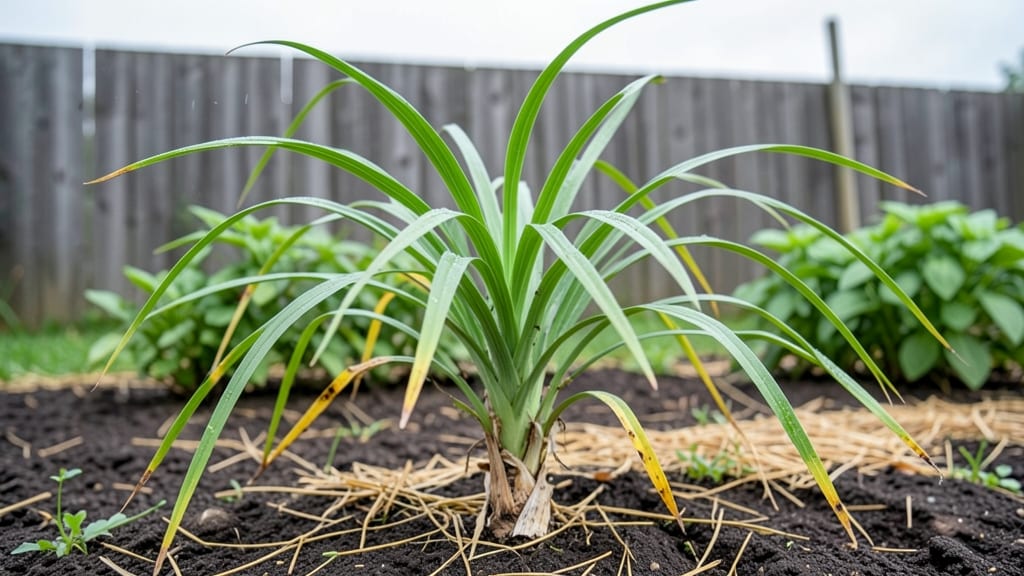
Lemon grass is not an annual—it’s a hardy perennial in warm climates like USDA zones 9-11, regrowing from its rhizomes each year. In cooler regions, it often dies back but can be replanted annually or overwintered indoors.
Lemon grass thrives as a perennial because its thick, underground rhizomes store nutrients and energy, allowing it to sprout fresh shoots year after year in frost-free zones. 🌱 Unlike true annuals that complete their lifecycle in one season, lemon grass can live for years if given consistent warmth and moisture.
In colder areas, the above-ground stalks may brown and die back, but the rhizomes remain dormant until spring—this is why many gardeners treat it as a seasonal plant despite its botanical classification.
What makes this especially useful is how easily you can propagate lemon grass from cuttings or store the rhizomes indoors.
I’ve kept potted lemon grass on my kitchen windowsill through winters, and it always bounced back stronger in spring—proof that with a little care, you’re not limited to one harvest per year.
💡 In This Article
- Lemon Grass Perennial Growth Patterns Explained
- How to Overwinter Lemon Grass in Cold Climates
Lemon grass perennial growth patterns explained
The secret to lemon grass's perennial nature lies in its robust rhizomatous root system, which stores carbohydrates and nutrients like a natural battery.
These thick, horizontal underground stems can grow up to 12 inches long and ½ inch thick, allowing the plant to regenerate even after the top growth dies back.
Unlike annuals that complete their entire lifecycle in a single season, lemon grass can persist for 5-7 years or longer in ideal conditions, producing new shoots from dormant buds on the rhizomes.
In tropical zones (USDA 9-11), lemon grass grows continuously year-round, reaching heights of 3-5 feet with a citrusy aroma that intensifies when the stalks are bruised.
The plant's ability to thrive in these conditions comes from its C4 photosynthetic pathway, which allows it to efficiently convert sunlight into energy even in high temperatures.
This is why you'll find lemon grass growing wild in Southeast Asia and Southern Florida—it's perfectly adapted to warm, humid climates where frost is rare.
When temperatures drop below 32°F, the above-ground stalks become crisp and brown, but the rhizomes remain alive beneath the soil. This seasonal dormancy is similar to how ginger behaves in cooler climates.
The key difference from true annuals is that lemon grass doesn't produce seeds to propagate—it relies entirely on its underground storage system. This makes it more resilient to environmental changes, as it doesn't need to start from scratch each year.
What's fascinating is how the rhizomes function as both storage organs and propagation tools. When you divide a mature clump, each 3-inch section with at least one growth bud can develop into a new plant.
This is why lemon grass spreads so aggressively in tropical gardens—it's not just surviving, it's expanding its territory through its root system. In contrast, annuals like basil or cilantro would need to be replanted from seed every year, making them more labor-intensive to maintain.
The plant's growth pattern also explains why it's often treated as an annual in cooler climates. While the rhizomes can survive mild winters, the flavor and vigor of regrown stalks may diminish after multiple cycles of dormancy.
This is why many gardeners in zones 7-8 opt to replant fresh rhizomes each spring rather than trying to overwinter the original plant. The trade-off is that you get more predictable flavor and growth when starting fresh each year.
Here's what you can expect when growing lemon grass in different climates:
- Tropical zones (9-11): Continuous growth year-round with minimal care beyond consistent moisture
- Temperate zones (7-8): Dies back in winter but rhizomes survive; replanting annually yields best results
- Cool zones (below 7): Typically grown as an annual unless overwintered indoors with proper light
The plant's ability to regenerate makes it an excellent candidate for container growing, as you can easily move potted plants indoors before the first frost. I've found that maintaining soil temperatures above 60°F during winter months helps preserve the rhizomes' vitality, ensuring a strong regrowth in spring.
This adaptability is what makes lemon grass such a versatile herb for both tropical and temperate gardeners alike. 🌿