
Plants
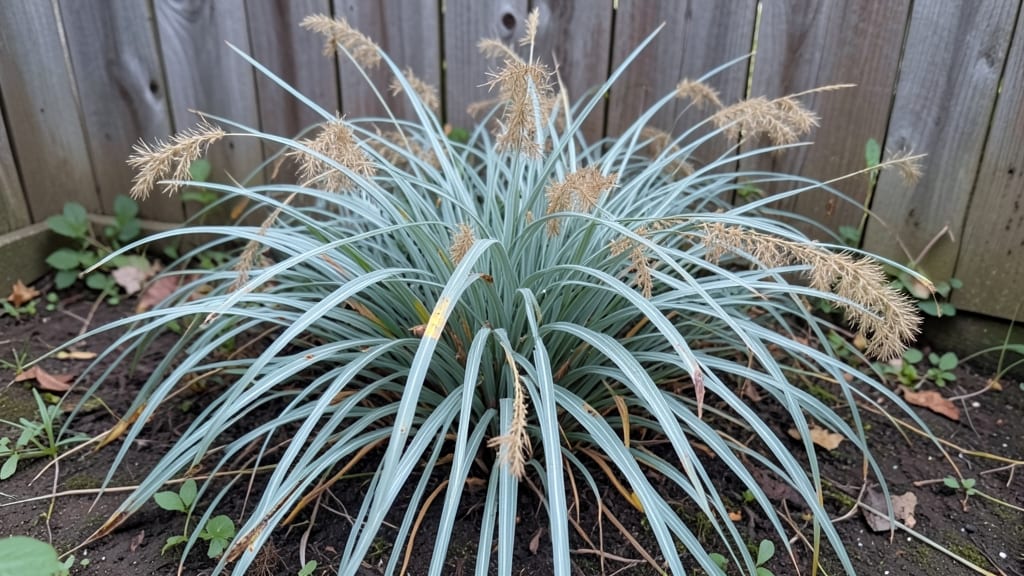
Growing Japanese shade grass 🌿 transforms shady patches into vibrant, textured gardens with almost no effort—its cascading foliage thrives where most plants give up.
Picture this: a north-facing yard that’s finally lush, not bare, or the base of a tree where nothing else survives. That’s the magic of this ornamental grass—it doesn’t just tolerate shade, it flourishes in it, with year-round interest and almost zero sunlight needs.
In USDA Zone 6a, planting in spring (March–April) sets you up for dense, arching clumps that sway in the breeze, whether tucked under oaks, spilling over containers, or framing a patio.
The key? Moist, well-draining soil and a spot where the sun peeks out just enough to keep the colors vibrant.
Below, I’ll walk you through soil prep, watering tricks, and how to keep it looking its best—plus, how to troubleshoot the two most common mistakes that turn this easy-care plant into a struggle.
 Best Window Placement
How Japanese shade grass thrives in low-light conditions
Japanese shade grass—like Hakonechloa macra—is a master of low-light survival, thanks to its unique biological adaptations. Unlike sun-loving grasses, it thrives in partial to full shade, making it ideal for areas where sunlight is scarce.
Its secret? A combination of efficient photosynthesis, specialized leaf anatomy, and a deep, fibrous root system that maximizes water and nutrient absorption.
Most ornamental grasses struggle in deep shade, but Japanese shade grass outperforms them by adapting its growth patterns. For example, its narrow, arching blades reduce self-shading, allowing light to penetrate deeper into the plant. This adaptation is critical in dense shade gardens where other grasses would yellow or die back.
One of its standout features is its photosynthesis efficiency. While most grasses require 6+ hours of sunlight, Japanese shade grass can thrive with as little as 2-4 hours of filtered light.
This efficiency comes from its ability to absorb blue and red light wavelengths, which are more abundant in shaded environments. In comparison, Carex oshimensis (a close relative) also excels in shade but lacks the same arching blade structure, making it less dynamic in garden design.
The root structure of Japanese shade grass is another game-changer. Its deep, fibrous roots spread horizontally, creating a dense network that stabilizes the soil and absorbs moisture from deeper layers. This is especially useful in wooded areas where surface soil can dry out quickly.
For example, under a maple tree, where other plants might struggle, this grass spreads effortlessly, forming a lush carpet.
When comparing Japanese shade grass to other shade-tolerant grasses, it consistently outperforms in low-light conditions. For instance, Miscanthus sinensis (a popular ornamental grass) requires at least 4 hours of sun and often yellows in deep shade.
Meanwhile, Japanese shade grass maintains its vibrant green or gold foliage year-round, even in full shade. This resilience makes it a top choice for north-facing gardens or urban courtyards with limited sunlight.
Its leaf anatomy plays a crucial role in its shade tolerance. The blades are thin and flexible, allowing them to bend without breaking under the weight of snow or rain—a common issue with stiffer grasses.
Additionally, the blue-green or golden hues of varieties like 'Aureola' or 'All Gold' are a result of chlorophyll adaptations that enhance light absorption in low-light settings. This not only makes the grass more ornamental but also more functional in shaded landscapes.
For gardeners, understanding these adaptations means you can place Japanese shade grass with confidence in areas where other plants fail. Whether you're underplanting trees, lining a shady pathway, or filling a container garden with limited light, this grass delivers year-round interest with minimal effort.
Just ensure the soil is well-draining and moist but not soggy—a simple adjustment that makes all the difference in shade gardening.
If you've ever struggled with brown patches or stunted growth in shady spots, Japanese shade grass offers a reliable, low-maintenance solution. Its ability to thrive in near-darkness while still looking vibrant and healthy is unmatched in the world of ornamental grasses.
Try it in your darkest corner, and you'll likely wonder why you didn’t plant it sooner!
🌿
5 Best Japanese shade grass varieties for different garden settings
If you're searching for Japanese shade grass that transforms dull corners into lush, textured landscapes, you're in the right place. These ornamental grasses thrive where sunlight is scarce, offering year-round color and minimal upkeep.
Whether you need ground cover, container plants, or border accents, there's a perfect variety for your garden's light conditions.
I've selected five top-performing cultivars that excel in shade to partial shade, each with unique textures and growth habits. From the cascading Hakonechloa macra to the delicate Carex oshimensis, these grasses bring elegance and structure to shady spots.
Let's explore how to choose the best fit for your space.
- Hakonechloa macra 'Aureola' – Golden cascading grass for containers and hanging baskets; thrives in moist, shady spots with 18-inch cascades (🌿).
- Carex oshimensis 'Evergold' – Ground cover with yellow-edged foliage; spreads 12-18 inches wide, ideal for woodland gardens (🌱).
- Ophiopogon japonicus 'Nigrescens' – Black mondo grass for edging and low borders; stays 6-12 inches tall, perfect for formal gardens (✂️).
- Hakonechloa macra 'Albo-variegata' – White-striped grass for dramatic contrast; grows 12-18 inches tall, loves dappled shade (🌳).
- Carex morrowii 'Ice Dance' – Soft, mounding grass with white variegation; reaches 12 inches tall, great for shady borders (🌿).
For containers and hanging baskets, Hakonechloa macra varieties like 'Aureola' are unbeatable. Their arching, golden plumes create a waterfall effect, perfect for patios or balconies where space is limited. I recommend planting them in well-draining potting mix with a slow-release fertilizer to keep their vibrant color all season.
If you're looking to cover bare soil under trees or along shady walkways, Carex oshimensis is your best bet. This spreading sedge forms a dense mat that chokes out weeds while adding texture and movement to your landscape. It’s especially effective in woodland gardens where ferns and hostas already thrive.
For formal gardens or edging projects, Ophiopogon japonicus 'Nigrescens' delivers sleek, black foliage that contrasts beautifully with silver foliage plants or white flowers. Its low, tidy habit makes it ideal for border lines or rock gardens, where its dark hue adds drama without overwhelming the space.
Don’t overlook the variegated options like 'Albo-variegata' or 'Ice Dance'—they bring striking color to shady areas where most plants struggle. These varieties thrive in partial shade and moist, fertile soil, making them low-maintenance stars in any garden. Just be sure to mulch annually to retain moisture and suppress weeds.