
Lawn
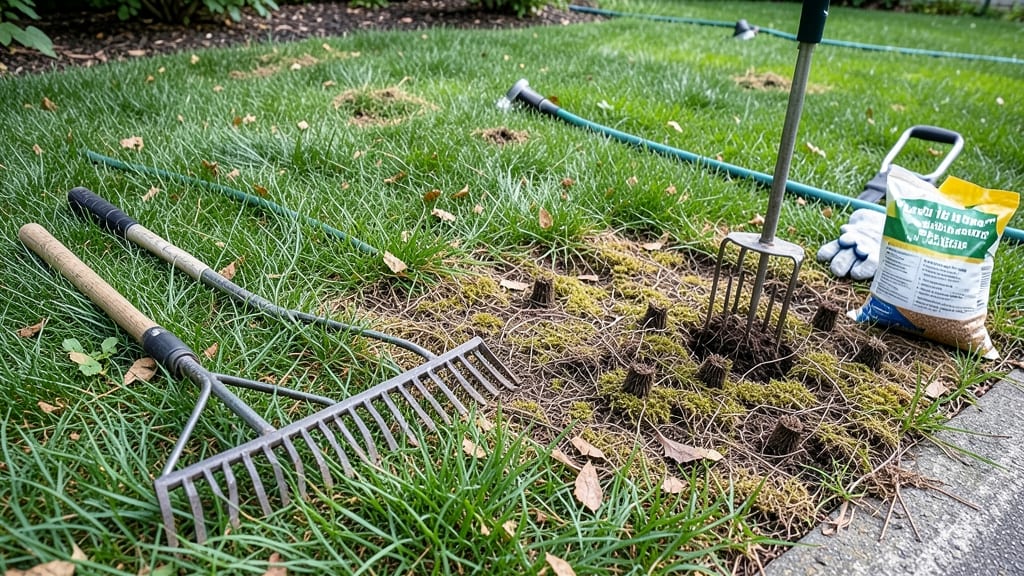
Lawn care spring clean-up isn’t just about raking—it's about giving your grass a fighting chance against summer heat. 🌱 I've seen yards go from patchy and brown to lush green in just 6 weeks after a proper spring reset, and the secret starts with clearing away last year's debris. That dead grass isn't just ugly—it's smothering new growth and trapping moisture where fungus thrives.
The real game-changer is timing: wait until soil temperatures hit 55°F (usually mid-April in most zones) before you start. Too early and you'll disturb dormant grass; too late and weeds take over.
You'll need a sturdy rake, a sharp mower blade, and maybe a dethatcher if your lawn has that spongy layer of old grass clippings and roots. Don't skip the mowing—cutting to 3-4 inches right away prevents scalping and encourages deeper root growth.
By the end of the season, you'll have a lawn that stays vibrant green through summer droughts because the cleanup removed competition for water and nutrients. The key is consistency: aerate if your soil feels hard as a rock, apply a slow-release fertilizer, and pull weeds before they seed.
Most homeowners see 50% fewer weeds just by staying on top of early spring maintenance.
Works for any lawn size, from small suburban patches to large backyards. The same principles apply whether you're dealing with cool-season grasses like fescue or warm-season types like Bermuda. Let's get your yard back on track before summer hits!
📚 In This Guide
- What you need
- Instructions
- Tips and common mistakes
- Wrapping up and next steps
What you need
- ● Lawn mower (gas or electric, depending on yard size) – Sharp blades are a must!
- ● Rake (bamboo or plastic, 24-36" wide) – For clearing debris and leveling soil.
- ● Garden gloves (heavy-duty, water-resistant) – Protect your hands from thorns and rough edges.
- ● Pruners/shears (bypass pruners for clean cuts) – Perfect for trimming overgrown plants.
- ● Lawn edger (manual or electric) – For crisp, defined borders.
- ● Garden hose or sprinkler (with adjustable nozzle) – For deep watering after cleanup.
- ● Lawn fertilizer (spring blend, 16-4-8 or similar) – Check coverage rate (e.g., 20 lbs per 500 sq ft).
- ○ Soil amendment (compost or peat moss) – Optional but great for nutrient-poor soil.
- ● Mulch (shredded bark or pine straw) – For weed suppression and moisture retention.
- ● Leaf blower/vacuum – Speeds up debris removal on large yards.
- ● Dethatching rake – If your lawn has thick thatch buildup.
- ● Weed killer (selective or non-selective) – Target stubborn weeds before they spread.
- ● Knee pads – For comfort during extended raking or weeding.
- ● Wheelbarrow – For hauling heavy debris or compost.
- ● pH test kit – To check soil health before fertilizing.
Step-by-Step instructions for spring lawn clean up
Here's the simple, effective routine I follow every spring to get my lawn looking fresh and healthy without the guesswork.
🌱 Step 1: Clear Debris and Aerate Compacted Soil
Start by raking away all last season's leaves, twigs, and thatch—this prevents suffocating your grass roots. I use a stiff-bristle rake to pull up debris while keeping the grass blades intact. Focus on areas where snow melted unevenly, leaving wet spots that can smother new growth.
Next, rent a core aerator or use a garden fork to poke holes every 3-4 inches across the lawn. You'll see plugs of soil pop up—that's good! This breaks up compacted soil so air, water, and nutrients reach the roots. Do this on a dry day when the ground isn't muddy. If your lawn feels spongy when you walk on it, it's definitely time to aerate.
✂️ Step 2: Mow and Fertilize for New Growth
Set your mower blade to 3-4 inches high—never cut more than ⅓ of the blade length at once. This prevents shock and encourages deeper root growth. Bag the clippings if they look thick or brown, but leave them if they're short and green (they'll decompose and feed the lawn).
After mowing, spread a slow-release nitrogen fertilizer evenly using a broadcast spreader. Water lightly to help granules settle into the soil. You'll notice grass turning a deeper green within 7-10 days—that's your sign it's working. Avoid fertilizing if rain is forecasted within 24 hours, or it'll wash away.
💧 Step 3: Water Deeply and Establish a Routine
Water your lawn deeply 1-2 times per week (early morning is best) until the soil feels moist 4 inches down. Use a screwdriver to check—if it slides in easily, you're good. Shallow watering encourages weak roots, so aim for ½ to ¾ inch per session. You'll see grass blades stand upright after watering instead of staying flattened.
For the first month, avoid heavy foot traffic—new roots are fragile. Instead, walk on edges or use stepping stones. If you notice brown patches, they're likely from winter damage or thatch buildup. Spot-treat with a light layer of compost or reseeding mix in those areas. Consistency is key: stick to this routine, and your lawn will fill in thick and green by summer.
Tips & tricks for perfect spring lawn revitalization
Between us, these simple tweaks will help you avoid the most common spring lawn mistakes—and get results faster than you'd expect.
Timing is Everything: Don't rush Step 1! Wait for a day when temperatures are between 60-75°F and there's no rain in the forecast for 24 hours. I've learned this the hard way—trying to aerate after rain makes the soil too muddy, and you'll end up compacting it even more. Check the 5-day forecast before you start.
Equipment Upgrade: If you don't want to rent a core aerator, a garden fork works just as well. Poke holes every 3-4 inches in a grid pattern—you'll know you're doing it right when you see those little soil plugs pop up. For larger lawns, consider borrowing a manual aerator from a neighbor or local gardening group.
Fertilizer Application: When you're spreading that slow-release nitrogen in Step 2, overlap your passes slightly to ensure even coverage. I like to do two perpendicular passes—first lengthwise, then widthwise—to catch any missed spots. And here's a pro move: water lightly after spreading to help the granules settle into the soil rather than sitting on top.
Watering Wisdom: That 4-inch soil moisture check in Step 3 is critical. Use a screwdriver to test—if it slides in easily, you're good. For the first watering after aerating, let the water run for 30-45 minutes to help those aeration holes settle. You'll notice the grass blades perk up immediately after proper watering.
Pro Tips for Lawn Care Spring Clean Up
- Between us, these simple tweaks will help you avoid the most common spring lawn mistakes—and get results faster than you'd expect.
- Timing is Everything: Don't rush Step 1!
- Equipment Upgrade: If you don't want to rent a core aerator, a garden fork works just as well.
Frequently asked questions
Got questions about spring lawn cleanup?
Here are answers to the most common ones to help you tackle your yard like a pro!
When is the best time to start spring lawn cleanup?
The ideal window is late winter to early spring—once the ground thaws but before grass starts actively growing (usually March–April, depending on your climate). This timing ensures you remove debris without disturbing new shoots.
Can I skip spring cleanup if my lawn looks fine?
Even if your lawn seems healthy, spring cleanup is key! Removing thatch, dead grass, and debris boosts airflow, prevents pests, and helps fertilizers/weed killers work better. Think of it as a spa day for your grass!
Is renting equipment cheaper than buying tools for spring cleanup?
Renting (e.g., dethatchers, aerators) is cost-effective for one-time use—typically $50–$100/day. Buying tools (like a manual rake or core aerator) pays off long-term if you plan to maintain your lawn yearly. Weigh convenience vs. investment!
What should I do if my lawn has bare spots after cleanup?
Bare spots are normal! Rake the area gently, then reseeds or sod with grass suited to your climate. Water lightly daily until new growth appears (about 2–3 weeks
Try compost tea, grass clippings (left as mulch), or organic fertilizers like cottonseed meal. These nourish soil naturally while reducing runoff. Pair with proper mowing (3–4" height) for even better results. Are there eco-friendly alternatives to chemical fertilizers?
Wrapping up and next steps
Spring is the perfect time to breathe new life into your lawn, and with these three simple steps, you’re well on your way to a lush, vibrant yard! 🌱 Remember, consistency is key—whether it’s mowing, aerating, or fertilizing, each task builds on the last to create a thriving outdoor space.
Don’t wait for summer heat to set in; start your spring clean-up today and enjoy the rewards of your hard work all season long.
Next up: Grab your tools, roll up your sleeves, and transform your lawn into the green oasis you’ve always wanted! 🌿 For extra tips or troubleshooting, check out our FAQ section—happy gardening!