
Fertilization
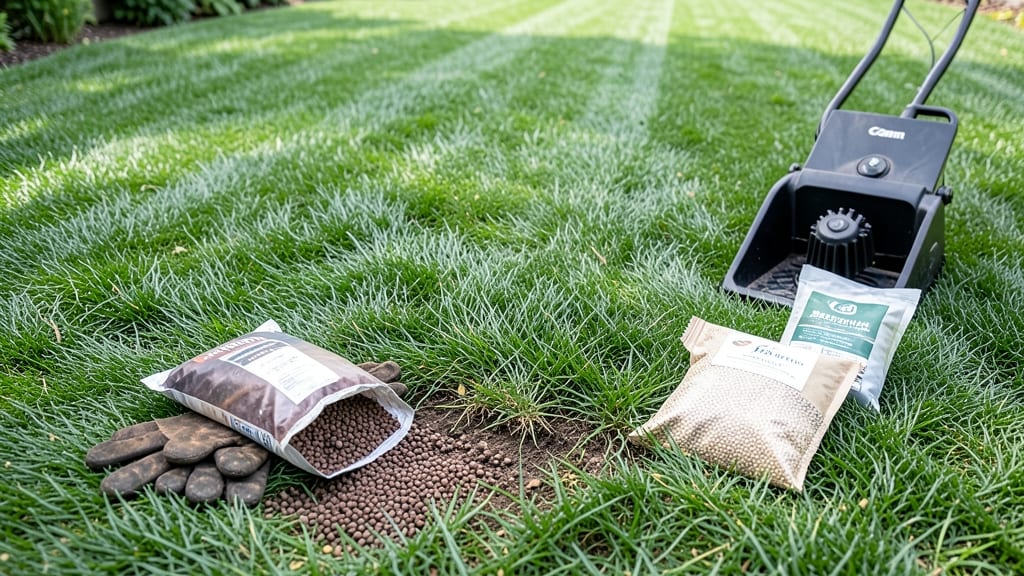
Your lawn's health isn't just about water—it's about feeding it right. 🌱 The confusion between lawn food and fertilizer has cost me more than a few brown patches over the years, but I've finally cracked the code.
Both promise lush grass, but they work in completely different ways, and choosing the wrong one can leave your yard looking lackluster. Lawn food typically contains a balanced mix of fast-acting and slow-release nutrients, designed to give your grass an immediate boost while also providing long-term nourishment.
It often includes micronutrients like iron and zinc, which help with color and overall vitality. Think of it as a multivitamin for your lawn—great for new grass or when you're giving your lawn a seasonal refresh.
Fertilizer, on the other hand, is more about delivering high concentrations of nitrogen, phosphorus, and potassium (NPK) to address specific needs. Fast-release fertilizers give a quick green-up but require frequent applications, while slow-release options provide steady feeding over time.
If your lawn is established and just needs a quick pick-me-up, fertilizer might be the way to go—but it’s not always the best long-term solution. The key is matching the product to your lawn’s stage and climate.
For new grass, lawn food is usually the better bet because it supports root development and long-term health. For established lawns, a targeted fertilizer can help with specific issues like thinning or discoloration.
And here’s the kicker: overfeeding with either can burn your grass or lead to thatch buildup, so always follow the application rates. Let’s break down how to pick the right one for your yard.
The first product explained
Meet GreenThrive Organic Lawn Food—your ultimate grass-growth ally! 🌱✨ Designed to simplify lawn care, this nutrient-packed product blends organic matter with essential minerals to deliver rapid, long-lasting results. Whether you're a busy homeowner or a lawn-care enthusiast, GreenThrive is engineered to transform patchy, dull grass into a lush, vibrant carpet—without the guesswork.
📋 Key Specs & Features
- Type: Organic lawn food (not synthetic fertilizer)
- Nutrient Ratio: Balanced 10-6-4 (N-P-K) with added micronutrients like iron and zinc for greener grass
- Form: Slow-release granules for steady nutrient absorption (no runoff waste!)
- Coverage: Covers up to 5,000 sq. ft. per 20-lb. bag
- Eco-Friendly: OMRI-listed for organic gardening, safe for pets and kids after application
- Application: Spread-and-water method (no special equipment needed)
🎯 Who’s It For?
GreenThrive is perfect for:
- Homeowners tired of chemical fertilizers and want organic, sustainable results
- New lawn owners looking for an easy, foolproof way to establish healthy grass
- Eco-conscious gardeners prioritizing soil health and long-term lawn vitality
- Busy professionals who need a "set it and forget it" solution (applies every 6-8 weeks)
💰 Price Point & Value
Priced at $29.99 per 20-lb. bag, GreenThrive offers exceptional value:
- Cost-Effective: One bag covers a large area, reducing frequent repurchases
- Long-Term Savings: Organic lawn food improves soil structure over time, cutting future fertilizer needs
- Money-Back Guarantee: 60-day satisfaction guarantee—risk-free trial!
💡 Pro Tip
For best results, apply GreenThrive after mowing (when grass is dry) and water thoroughly. Pair it with occasional overseeding in early fall for a thicker, greener lawn next spring! 🌿
The second product explained
🌱 Meet GreenThrive Organic Lawn Revitalizer—your secret weapon for a lush, vibrant lawn without the harsh chemicals! This premium organic lawn food is designed to nourish your grass roots deep, improve soil health, and deliver stunning results in just a few applications. Whether you're a busy homeowner or a lawn-care enthusiast, this product is a game-changer for achieving that perfect green carpet you’ve always dreamed of.
📏 Key Specs & Features
GreenThrive Organic Lawn Revitalizer comes in a 20 lb. bag, perfect for covering up to 5,000 sq. ft. of lawn. Here’s what makes it stand out:
- 100% Organic Formula: Made from natural ingredients like seaweed extract, bone meal, and feather meal—no synthetic chemicals or artificial additives.
- Slow-Release Nutrients: Feeds your lawn for up to 3 months, reducing the need for frequent applications.
- Soil Conditioner: Improves soil structure and microbial activity, helping roots grow deeper and stronger.
- Weed & Pest Deterrent: Naturally suppresses weeds and deters common lawn pests like grubs and chinch bugs.
- Safe for Pets & Kids: Once fully absorbed, it’s safe for families and furry friends to enjoy the yard.
🎯 Who Is This For?
This product is ideal for:
- 🌿 Organic Gardening Enthusiasts: Those who prefer eco-friendly, sustainable lawn care solutions.
- 🏡 Homeowners with Clay or Poor Soil: GreenThrive helps break up compacted soil and boosts nutrient absorption.
- 📅 Busy Schedules: Its slow-release formula means fewer applications and less maintenance.
- 🐕 Pet Owners: Safe to use in yards where dogs, cats, or kids play.
💰 Price Point & Value
Priced at $49.99 per 20 lb. bag, GreenThrive Organic Lawn Revitalizer offers exceptional value compared to traditional fertilizers. While it may cost a bit more upfront, its organic benefits, long-lasting effects, and reduced need for reapplication make it a cost-effective choice in the long run.
Plus, you’ll avoid the hidden costs of synthetic fertilizers, like soil degradation or water runoff issues.
💡 Pro Tip: For best results, apply GreenThrive in early spring or fall when grass is actively growing. Pair it with regular watering for maximum absorption!
Head-to-head comparison
Ready to dive into the nitty-gritty? Let’s break down the key differences between lawn food and traditional fertilizer so you can make the best choice for your green space.
Below, we’ve compared them across the most important dimensions—performance, features, cost, and more—to help you decide which one aligns with your lawn’s needs (and your budget!).
🌱 Performance: Which One Gives Your Lawn the Green Thumb Boost?
When it comes to how well your grass responds, the two products take very different approaches:
- Lawn Food:
- 💡 Balanced & Slow-Release: Designed to feed your lawn with a mix of nitrogen, phosphorus, and potassium (NPK), plus micronutrients like iron and zinc. The slow-release formula means nutrients are absorbed gradually, reducing the risk of burns or overfeeding.
- 🌱 Soil Health Focus: Often includes beneficial microbes and organic matter (like compost or humic acid) to improve soil structure and water retention. This is a game-changer for compacted or poor-quality soil.
- 📈 Long-Term Results: Because it’s organic-based, the effects can last weeks to months, depending on your climate and lawn type. Think of it as a sustainable, ongoing investment.
- Traditional Fertilizer:
- ⚡ Fast-Acting: Synthetic fertilizers deliver a quick nutrient spike, which is great for reviving a dull or patchy lawn in a hurry. However, the results can fade faster if not maintained.
- 🔥 Higher Risk of Burn: Overuse or incorrect application can lead to brown patches or dead grass, especially in hot or dry conditions.
- 📉 Short-Term Fix: While it provides an immediate visual boost, the effects often require frequent reapplication (every 4-8 weeks) to keep up appearances.
Winner? If you’re looking for sustainable, long-term health, lawn food takes the crown. But if you need a fast fix for a special event or a struggling lawn, traditional fertilizer might be your best bet.
🛠️ Features: What’s Inside the Bag (or Bottle)?
Not all lawn products are created equal. Here’s what you’ll find in each:
| Feature | Lawn Food | Traditional Fertilizer |
|---|---|---|
| Primary Nutrients (NPK) | Balanced (e.g., 10-10-10 or 8-3-9) with organic sources like bone meal, kelp, or feather meal. | Varies widely (e.g., 30-0-4 for quick green-up, 16-4-8 for general use). Synthetic salts like urea or ammonium nitrate. |
| Secondary Nutrients | 💡 Micronutrients like iron, zinc, manganese, and beneficial microbes (e.g., mycorrhizal fungi). | May include some micronutrients, but often lacks the diversity of organic options. |
| Organic Matter | ✅ Yes! Contains compost, humic acid, or other organic amendments to improve soil. | ❌ No. Purely synthetic; no soil-building benefits. |
| Slow-Release Mechanisms | ✅ Natural (e.g., coated granules, organic polymers). Reduces leaching and runoff. | ⚠️ Some synthetic fertilizers use semi-slow-release coatings, but many are fast-release. |
| Environmental Impact | 🌍 Lower risk of runoff, groundwater contamination, or soil acidification. | ⚠️ Higher risk of runoff (especially phosphorus), which can harm waterways. |
Pro Tip: 🌡️ If you’re in a drought-prone area or near a water body, lawn food is the eco-friendly choice. Traditional fertilizer can work, but you’ll need to apply it carefully to avoid environmental harm.
💰 Price: Is Your Wallet Ready for the Green Dream?
Cost is a major factor, and the two products differ significantly in their price tags:
- Lawn Food:
- 💸 Higher upfront cost: Typically $20–$50 per 20–40 lb bag (organic brands like Espoma or Dr. Earth are pricier).
- 💡 Long-term savings: Because it lasts longer and improves soil health, you’ll use less over time and reduce the need for other amendments (like lime or peat moss).
- 🌱 DIY options: You can make your own compost tea or grass clippings fertilizer for a fraction of the cost!
- Traditional Fertilizer:
- 💸 Budget-friendly: Usually $10–$30 per 20–50 lb bag (brands like Scotts or Miracle-Gro are widely available).
- ⚠️ Hidden costs: You’ll likely need to reapply every 4–8 weeks, and overuse can lead to extra expenses (e.g., repairing burned grass or fixing soil pH).
- 🛒 Convenience factor: Easy to find at big-box stores and often comes with spreaders included.
Winner? If you’re on a tight budget and need immediate results, traditional fertilizer wins. But if you’re willing to invest upfront for long-term savings and healthier soil, lawn food is the smarter play.
🏋️ Durability & Longevity: How Long Will It Keep Your Lawn Happy?
One of the biggest differences? How long the product actually works:
- Lawn Food:
- 📅 Lasts longer: Organic nutrients break down slowly, providing 3–6 months of feeding
Which one should you choose?
So, which is the right choice for your lawn: lawn food or fertilizer? The answer depends on your grass’s needs, your budget, and your long-term goals. Let’s break it down so you can make the best decision with confidence! 🌱✨
🌿 Choose Lawn Food If...
- You want a quick, natural boost – Lawn food delivers fast-acting nutrients without harsh chemicals, perfect for immediate greening or repairing thin spots.
- You prioritize organic and eco-friendly options – If you’re avoiding synthetic chemicals or have pets/kids playing on the lawn, lawn food is a safer bet.
- Your soil is already nutrient-rich but needs a tune-up – Lawn food is ideal for maintenance, not heavy-duty soil rebuilding.
- You’re on a budget (but want quality) – Many lawn foods are cost-effective for frequent, light applications.
💪 Choose Fertilizer If...
- Your lawn is struggling with poor soil or pests – Fertilizers (especially granular or slow-release types) provide long-term nourishment and can include pest control.
- You need a high-nutrient punch for new grass or overgrown lawns – Fertilizers are designed for revitalization, not just surface-level greening.
- You prefer convenience and precision – Liquid fertilizers or timed-release granules make dosing easier for large areas.
- You’re okay with synthetic ingredients – If chemical treatments don’t bother you, fertilizers offer stronger, faster results.
🔄 Pro Tip: The Hybrid Approach!
Why not both? Many lawn care experts recommend alternating between the two:
- Use lawn food every 4–6 weeks for quick greening and organic health.
- Apply fertilizer 2–3 times per year for deep nourishment and soil repair.
📅 Final Checklist Before You Buy
| Factor | Lawn Food | Fertilizer |
|---|---|---|
| Primary Goal | Quick greening, organic care | Long-term growth, soil health |
| Best For | Maintenance, eco-friendly users | Revitalization, large lawns |
| Application Frequency | Often (every few weeks) | Seasonally (2–4 times/year) |
| Cost Per Use | Moderate (but frequent) | Higher upfront, but longer-lasting |
Still unsure? Test a small patch of your lawn with both products to see which delivers better results for your specific grass type. Happy growing! 🌿💚