
Lawn
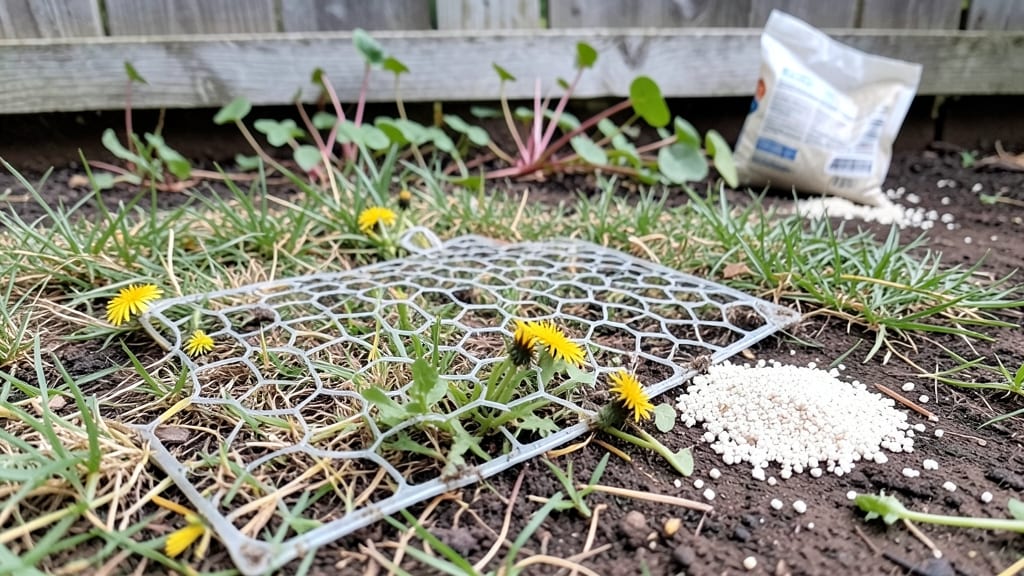
Finding the right lawn protection from dogs was my first step toward saving my once-trampled, muddy, and patchy yard. Protecting grass from dogs isn’t just about cleanup; it’s about saving your yard from permanent damage while keeping your pup happy.
The right mix of training, protective surfaces, and soil care can turn your lawn back into a lush, durable space that survives even the most energetic play.
Start with the basics: a dog-friendly grass mix like tall fescue or zoysia handles heavy traffic better than delicate bluegrass. Add a layer of artificial turf in high-use areas or install wood-chip pathways to redirect paws.
Aerating compacted soil and top-dressing with compost gives roots a fighting chance to recover—think of it as giving your lawn a breath of fresh air after months of being walked on.
You’ll notice the difference within weeks: fewer bare spots, less mud, and grass that bounces back instead of turning to dirt. The key is consistency—daily quick cleanups, seasonal overseeding, and teaching your dog where they’re allowed to dig.
Even the most destructive chewers can learn boundaries with the right setup and patience.
This works for any yard size, from small urban patches to sprawling backyards. The goal isn’t to turn your lawn into a sterile pet-proof zone—it’s to create a space where both your grass and your dog can thrive without constant repair. Let’s get your lawn back to looking its best.
📚 In This Guide
- What you need
- Instructions
- Tips and common mistakes
- Wrapping up and next steps
What you need
- ● Pet-safe grass seed: 5–10 lbs (depending on lawn size). Opt for clover or tall fescue—they’re tough and dog-friendly!
- ● Topsoil or compost: 1–2 bags (for patchy areas). Look for organic, weed-free blends.
- ● Lawn fertilizer: Slow-release, pet-safe formula (e.g., milorganite).
- ● Mulching mats or straw: 1–2 rolls (to retain moisture and deter digging).
- ● Dog urine neutralizer: 1–2 bottles (like Urine Off or vinegar spray).
- ● Tools: Rake (metal or plastic)
- ● Garden hose (with adjustable nozzle)
- ○ Lawn roller (optional, for firming seed)
- ● Knee pads (trust us, they’re a game-changer!)
- ● Artificial turf patches: For high-traffic dog zones (e.g., near the door).
- ● Dog boots or paw balm: Protects paws while they adjust to new grass.
- ● Erosion control blankets: For sloped or heavily damaged areas.
- ● Pet-safe weed killer: Spot-treat weeds before reseeding.
How to create a durable, pet-proof lawn revival
Here's the straightforward approach I've used to restore lawns after heavy dog use.
Assess and Repair Damaged Areas
Start by walking your yard and identifying the worst damage spots—these are the areas where soil is compacted, grass is missing, or mud has formed. Focus first on these high-traffic zones where your dogs spend the most time. Use a garden rake to gently loosen compacted soil in these areas, breaking up any hardpan that's preventing grass roots from establishing.
For bare patches, scrape away any remaining debris and loosen the soil with a hand fork. The goal is to create a soft, crumbly surface that new grass seeds can easily penetrate. If you notice any low-lying areas where water pools, consider adding a small amount of topsoil to build up the grade slightly—this prevents future mud and erosion.
Apply a Protective Layer Before Replanting
Spread a 1/4-inch layer of compost evenly over the entire lawn area, focusing extra attention on the damaged spots. This isn't just about adding nutrients—it's about creating a protective barrier that will shield new grass from being dug up by paws. The compost also helps improve soil structure, allowing air and water to reach grass roots more easily.
Next, apply a thin layer of straw mulch (about 1/8-inch thick) over the compost. This lightweight layer acts as a natural barrier that discourages dogs from digging while also retaining moisture. Avoid using wood chips, as they can attract pests and may contain harmful compounds if treated. Lightly rake the straw to ensure even coverage without burying the compost underneath.
Select and Plant Dog-Friendly Grass Seed
Choose a dog-tolerant grass seed blend that includes tall fescue or Kentucky bluegrass—these varieties handle foot traffic and recovery better than others. Avoid thin, delicate grasses like Bermuda or Zoysia, which tear easily under repeated pawing. For the best results, plant the seed in late spring or early fall when temperatures are moderate and rainfall is consistent.
Use a broadcast spreader to evenly distribute the seed over the prepared areas. Aim for a coverage rate of about 8-12 pounds per 1,000 square feet, depending on the seed blend. Lightly rake the area again to ensure good seed-to-soil contact, but avoid burying the seed more than 1/4 inch deep. Water gently but thoroughly right after planting to settle the seed into the soil.
Establish a Watering and Maintenance Routine
For the first two weeks, water the lawn lightly twice daily—once in the morning and once in the evening—to keep the top 1/2 inch of soil consistently moist. This encourages germination without washing away the seed. After the grass reaches 2-3 inches tall, switch to deep, infrequent watering (about 1 inch per week) to strengthen root development.
Once the grass is established (typically after 6-8 weeks), introduce a dog-friendly fertilizer designed for high-traffic areas. Look for slow-release formulas that provide nitrogen, phosphorus, and potassium without promoting rapid, weak growth. Avoid over-fertilizing, as excess nutrients can attract dogs to urinate in the same spots repeatedly, creating dead zones.
Train Dogs and Monitor Progress
Use positive reinforcement to train your dogs to avoid specific areas of the lawn, especially newly seeded sections. Redirect them to designated digging spots or a small, contained area with sand or mulch where they can play without damaging the grass. This step is crucial—even the best-laid lawn won't survive if dogs continue to use it as a playground.
Monitor the lawn weekly for signs of stress, such as yellowing patches or thinning grass. If you notice dogs frequently urinating in the same spots, flush the area with water to dilute the urine and apply a vinegar-based neutralizer to reduce soil acidity. With consistent care, your lawn will recover its resilience and become a durable space for both your pets and your pride.
Tips & tricks for creating a durable, pet-proof lawn revival
Transforming a dog-torn lawn into a resilient green space takes more than just planting grass—it requires strategic preparation and ongoing care. Here are the key insights I’ve learned from restoring lawns after heavy dog use.
Soil Preparation is Everything: In Step 1, when you're loosening compacted soil, don't just scratch the surface. Use a hand fork to break up hardpan at least 3-4 inches deep—this creates space for roots to grow downward rather than just spreading horizontally. For particularly compacted areas, consider renting a core aerator to pull small soil plugs, which dramatically improves drainage and root penetration. This extra effort in preparation directly impacts how well your new grass will withstand paw traffic.
Layering for Protection: The combination of compost and straw mulch in Step 2 serves two critical purposes beyond just adding nutrients. First, the 1/4-inch compost layer acts like a shock absorber, cushioning the soil from repeated pawing. Second, the 1/8-inch straw mulch creates a physical barrier that discourages digging while also preventing soil from drying out too quickly. Pro tip: If you're working in a particularly sandy soil, mix in a bit of coconut coir with the compost—it helps retain moisture even better than straight compost alone.
Seed Selection Matters More Than You Think: While the instructions recommend tall fescue or Kentucky bluegrass, I've found that adding 10-15% perennial ryegrass to the blend (if your climate allows) creates an even more durable lawn. The ryegrass germinates faster and provides quick coverage, while the fescue and bluegrass handle the long-term wear. Just make sure the entire blend is labeled as dog-tolerant—some blends market themselves as "pet-friendly" but still contain delicate grasses that won't survive heavy use.
Watering Discipline Prevents Failure: The two-week twice-daily watering routine in Step 4 is non-negotiable, but timing matters just as much as frequency. Always water in the early morning (before 8 AM) to allow the lawn to dry completely by evening, which prevents fungal growth. When you switch to deep watering after the grass reaches 2-3 inches, water slowly and deeply—a soaker hose works best. Rapid watering creates puddles that can wash away newly established grass, and shallow watering encourages weak root development that won't handle dog traffic.
Pro Tips for Lawn Protection From Dogs
- Transforming a dog-torn lawn into a resilient green space takes more than just planting grass—it requires strategic preparation and ongoing care.
- Soil Preparation is Everything: In Step 1, when you're loosening compacted soil, don't just scratch the surface.
- Layering for Protection: The combination of compost and straw mulch in Step 2 serves two critical purposes beyond just adding nutrients.
Frequently asked questions
about keeping your lawn safe from dogs—because even the best pups need a little guidance!What’s the fastest way to repair dog-damaged grass?
For minor damage, overseed bare spots and apply a thin layer of compost. For deeper divots, patch with sod or use a grass plug. Water lightly daily until new growth appears. Avoid heavy foot traffic (or paw traffic!) until the area recovers—usually 2-4 weeks.
How do I stop my dog from digging in the same spots?
Dogs dig due to boredom, anxiety, or instinct. Redirect them with a designated digging box filled with sand or a pet-safe digging mat. Train with positive reinforcement (treats! ) and block off high-traffic areas with temporary fencing or mulch. Rotate play areas to break the cycle.
Is there a dog-friendly grass type that resists damage?
Yes! Buffalo grass and Zoysia tolerate heavy use and recover faster than Kentucky bluegrass. For cooler climates, Fine fescue is durable and low-maintenance. Pair these with regular mowing (but never too short!) and your lawn—and pup—will thank you.
How long does it take for a dog-proof lawn to fully recover?
Recovery time varies: Mild damage (light paw prints) heals in 2-3 weeks with proper care. Severe damage (large divots, muddy patches) may take 4-8 weeks. Patience is key—avoid overwatering or fertilizing too soon, as this can stress new growth.
Are there natural alternatives to chemical fertilizers for dog areas?
Use compost, worm castings, or grass clippings as organic fertilizers. Corn gluten meal (pre-emergent) or bone meal (for phosphorus) also work. Just avoid areas where your dog digs—natural doesn’t mean paw-safe!
What should I avoid doing to my lawn with dogs?
Skip these lawn no-nos:
- Overwatering—leads to mud and erosion.
- Leaving dog waste—it burns grass and spreads pathogens.
- Using salt or ice melt—toxic to pets and soil.
- Mowing too short—weakens roots and invites weeds.
Wrapping up and next steps
Protecting your lawn from dogs doesn’t have to be a battle—it’s all about the right materials, techniques, and consistency. 🌱 Whether you’re reviving bare patches, reinforcing high-traffic areas, or choosing pet-friendly grass, the key is to act with patience and the right tools.
Your lawn (and your furry friends!) will thank you.
Ready to transform your yard? Start small—test a patch, monitor progress, and scale up what works. With a little effort, you’ll have a lush, durable lawn that stands up to tail wags and playful paws!