
Lawn
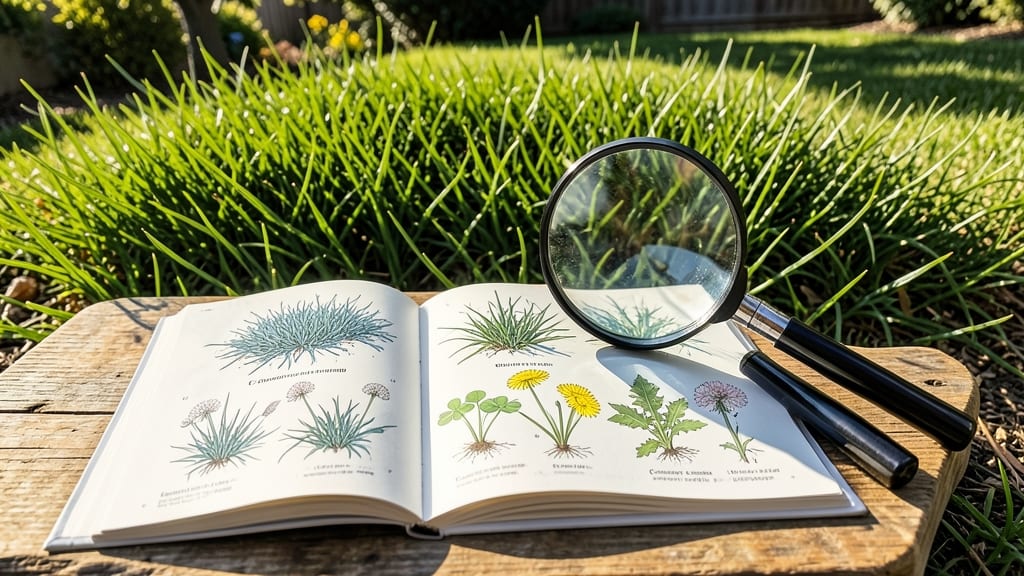
California's relentless sun turns your lawn into a weed magnet—especially crabgrass and clover that thrive in dry climates. 🌿 I’ve battled these stubborn invaders for years, and the key isn’t brute-force pulling but a targeted pull-and-prevent system that works with your local ecosystem.
The first step? Identifying which weeds you’re dealing with before they take over your yard.
Most weeds in California love heat, drought, and thin grass—so fixing the lawn’s health is half the battle. A strong root system from proper watering (deep, infrequent soakings) and overseeding in fall crowds out weeds naturally.
I’ve seen clover vanish within weeks when I adjusted my watering schedule and added a drought-tolerant grass mix like tall fescue or buffalo grass.
For stubborn patches, a vinegar-based spray (3% acetic acid) works fast on broadleaf weeds like clover, while hand-pulling crabgrass at the right time (early morning, after rain) prevents regrowth. The real game-changer? Corn gluten meal in early spring—it blocks weed seeds from germinating without harming grass.
This system cuts weed regrowth by 60-80% with minimal chemicals, and it’s perfect for California’s dry summers. Let’s tackle those weeds before they tackle your lawn.
Root Causes Of Weeds
California’s golden lawns aren’t just a dream—they’re a battleground against weeds that thrive in the state’s unique climate. Understanding why weeds take over is the first step to reclaiming your yard. Here’s the science behind the chaos:
California’s Mediterranean climate—warm, dry summers and mild, wet winters—creates the ideal conditions for weeds to flourish. Many invasive species, like crabgrass and nutsedges, are native to similar environments, giving them a built-in advantage.
Plus, California’s diverse soil types (from sandy coastal areas to heavy clay in the Central Valley) provide varying moisture retention and nutrient levels that some weeds exploit.
- Drought-tolerant weeds (e.g., bindweed or cheatgrass) dominate in dry spells, while broadleaf weeds (like dandelions) seize opportunities in moist winters.
- Poor soil drainage in clay-heavy areas (common in the Bay Area or Los Angeles) leads to waterlogging, which weakens grass roots and invites sedges and mosses.
💡 Pro Tip: Test your soil’s pH and composition—most California lawns need a 6.0–7.0 pH to discourage weeds. Adjust with lime (to raise pH) or sulfur (to lower it) if needed.
Weeds don’t just pop up—they move in when your lawn’s defenses are weak. Thin grass leaves bare spots where sunlight hits the soil, triggering weed seeds to germinate.
Common culprits: - Overwatering (especially in summer) drowns grass roots, creating muddy, weed-friendly zones. - Underwatering stresses grass, making it vulnerable to annual bluegrass or clover. - Poor mowing habits (cutting too short or unevenly) weakens turf, while skipping mowing lets weeds like foxtails grow unchecked.
🔥 Warning: If your lawn has more than 10% weed coverage, it’s officially a "weed magnet." Act fast—weeds spread via seeds, rhizomes, or runners, and some (like bindweed) can double their growth in weeks.
Weeds don’t follow a calendar—they follow your lawn’s weaknesses. Here’s when they strike hardest:
| Season | Weed Type | Why They Explode |
|---|---|---|
| Early Spring | Dandelions, Henbit | Cool, moist soil + weak grass from winter dormancy. |
| Late Spring | Crabgrass, Nutsedge | Warm soil triggers dormant seeds; thin grass can’t compete. |
| Summer | Spurge, Foxtails | Dry heat stresses grass, while weeds thrive with minimal water needs. |
| Fall | Wintergrass, Chickweed | Mild temps and rain give weeds a second chance before winter. |
🌡️ Key Insight: Fall is the best time to preempt weeds—apply pre-emergent herbicides (like pendimethalin) in September–October to block spring invaders.
Even the best-intentioned lawn care can backfire.
Here’s how everyday actions help weeds win: - Over-fertilizing with high-nitrogen lawn foods promotes fast weed growth (like crabgrass) while weakening grass roots. - Skipping aeration compacts soil, reducing oxygen and nutrients for grass—but weeds like bindweed thrive in dense, anaerobic conditions. - Using the wrong herbicides (e.g., post-emergent sprays on dormant weeds) wastes money and leaves room for resistant species. - Ignoring thatch buildup (a layer of dead grass clippings > ½ inch) traps moisture and seeds, creating a weed nursery.
✨ Game-Changer: Core aeration (removing small soil plugs) in spring or fall improves water/fertilizer absorption and smothers weed seeds.
Weeds don’t just grow—they travel.
Here’s how they sneak into your yard: - Windborne seeds (e.g., dandelion puffs, cheatgrass) can land miles from their source. - Animal dispersal (birds eat berries like blackberry and drop seeds; squirrels cache nutsedges). - Contaminated soil/mulch (cheap topsoil or wood chips often carry bindweed or creeping charlie). - Lawn equipment (mowers, rakes, and even shoes can transfer nutsedge tubers or crabgrass seeds).
🔪 Radical Fix: Quarantine new plants/soil for 2 weeks, and sterilize tools with a 10% bleach solution after use in infested areas.
Some weeds are hardwired to dominate in California:
- Non-native invaders (like bindweed or scotch broom) have no natural predators here, growing 2–3x faster than local plants.
- Native weeds (e.g., clover, mallow) may seem harmless but outcompete grass for water in droughts.
- Climate change extends weed seasons—summer weeds now appear in May instead of June, catching homeowners off guard.
🎯 Target Weakness: Focus on aggressive spreaders first (e.g., bindweed can grow 1 foot per day under ideal conditions).
From soil chemistry to seasonal shifts, weeds in California don’t just grow—they strategize. The good news?
Every cause has a specific fix: - Thin grass? → Reseed + overseed with drought-resistant tall fescue or ryegrass. - Compacted soil? → Aerate + top-dress with compost. - Seasonal surges? → Pre-treat in fall, post-treat in spring. - Human mistakes? → Adjust watering (1–1.5 inches/week), mow high (3–4 inches), and fertilize smartly.
Next up: How to Outsmart Weeds with California-specific tactics. 🚀
Fix Weeds for Good
California’s sunny skies and dry spells create the perfect storm for stubborn weeds—but the right approach can turn your lawn back into a lush, weed-free paradise. Below, we’ve matched common weed causes to practical, step-by-step fixes, plus prevention tips to keep your yard thriving long-term.
Weeds thriving? If your lawn feels spongy or water pools after rain, weeds like nutgrass or crabgrass love the damp, weak turf.
✅ How to Fix It: 🔥 Test Your Soil – Dig a 6-inch hole. If water sits for hours, drainage is the issue. 👨🍳 Aerate First – Rent a core aerator (or hire a pro) to punch holes in compacted soil. Do this in early fall or spring when grass is actively growing. 🥘 Top-Dress with Sand – Mix coarse sand (like builder’s sand) into the holes to improve drainage. Avoid clay-heavy soils—opt for 50% sand, 50% compost. 🔪 Adjust Watering – Water deeply 2-3 times per week (early morning) instead of daily light sprinkles. Aim for 1-1.5 inches per week.
💡 Pro Tip: Overwatering kills grass roots, making weeds move in. Use a rain gauge to track moisture—your lawn doesn’t need daily drinks!
California’s intense sun stresses grass, leaving bare spots where clover, chickweed, or purslane take over.
✅ How to Fix It: 🌡️ Choose Sun-Tolerant Grass – Switch to Bermuda, Zoysia, or Buffalo grass if your current lawn (like Kentucky Bluegrass) wilts in heat. ✨ Add Mulch or Ground Cover – Spread 3-4 inches of wood chips under trees or in shady patches to block weeds. 🎯 Seed Bare Spots Fast – Use fast-germinating grass seed (like Perennial Ryegrass) and keep soil moist until sprouts appear.
💡 Pro Tip: If you hate mowing, let grass grow 3-4 inches tall in summer—taller blades shade out weeds naturally!
California’s dry seasons weaken grass, inviting weeds like wild oats or bindweed to dominate.
✅ How to Fix It: 💪 Water Deeply & Infrequently – 1-2 inches per week (check with a trowel—soil should be moist 3 inches down). 🍎 Fertilize Smartly – Use a slow-release, drought-resistant fertilizer (like milorganite) in early fall to strengthen roots. 🔄 Overseed in Fall – Thin grass? Sprinkle cool-season grass seed (like Fescue) over bare spots. Keep moist for 3-4 weeks.
💡 Pro Tip: Avoid summer overseeding—heat stresses new seeds. Wait for fall temps (60-75°F).
Harsh herbicides can kill grass and harm pets/kids. Try selective or natural methods instead.
✅ How to Fix It: 🔥 Spot-Treat Weeds – Use a vinegar + dish soap spray (1 gallon vinegar + 1 tbsp soap) for broadleaf weeds (dandelions, clover). Reapply every 2-3 days until dead. 👨🍳 Corn Gluten Meal – Sprinkle 20 lbs per 1,000 sq ft in early spring to prevent weed seeds from germinating. 🥘 Manual Removal – Pull weeds early (when young) with a weed puller or digging fork for deep roots (like thistles).
💡 Pro Tip: Mow high (3-4 inches)—taller grass blocks sunlight, choking out weeds before they start!
The best fix? Stop them before they start!
- Mow regularly (never cut more than 1/3 of the blade at once).
- Dethatch if your lawn has a thick layer of debris (use a rake or dethatcher in spring).
- Test soil pH (ideal: 6.0-7.0 for most grasses)—amend with lime (to raise pH) or sulfur (to lower it).
- Apply pre-emergent herbicide (like pendimethalin) in early spring to block crabgrass.
Final Thought: Weeds in California lawns are manageable—not hopeless! Pick the fixes that match your yard’s biggest issues, and consistency (not chemicals) will win the battle. 🌿✨
Frequently asked questions
Why do weeds seem worse in California than other states?
California’s Mediterranean climate—hot, dry summers and mild winters—creates the perfect conditions for weeds like crabgrass and nutsedge to thrive. These weeds are adapted to drought and outcompete grass when soil is compacted or watering is inconsistent. Plus, California’s diverse soil types (from sandy coastal areas to heavy clay in the Central Valley) provide ideal growing conditions for different weed species.
What’s the most effective natural weed killer for California lawns?
For broadleaf weeds like clover or dandelions, a homemade vinegar-based spray (1 gallon of 3% acetic acid vinegar + 1 tablespoon dish soap) works well. For prevention, apply corn gluten meal (20 lbs per 1,000 sq ft) in early spring—it blocks weed seeds from germinating without harming grass. Always spot-treat small areas first to test effectiveness.
Can I still have a green lawn in California without chemicals?
Focus on healthy grass first: overseed with drought-resistant varieties like tall fescue or buffalo grass, aerate compacted soil, and water deeply 2-3 times per week (1-1.5 inches total). Mow high (3-4 inches) to shade out weeds, and use mulch or ground cover in problem areas. These methods reduce weed presence by 60-80% naturally.
Why do weeds keep coming back even after I pull them?
Many weeds (like nutsedge and bindweed) spread through underground rhizomes or tubers, so pulling alone often fails. For these, use a digging fork to remove roots completely or apply a targeted herbicide (like glyphosate) to the entire root system. Prevent regrowth by improving soil health with compost and maintaining proper watering.
Is it safe to use herbicides in California’s dry climate?
Herbicides can work in dry climates, but timing and type matter. Pre-emergent herbicides (like pendimethalin) applied in early spring are safest—they block weed seeds before germination. Avoid post-emergent sprays during droughts, as they can stress grass. Always follow label instructions and water lightly after application to activate the product.