
Lawn
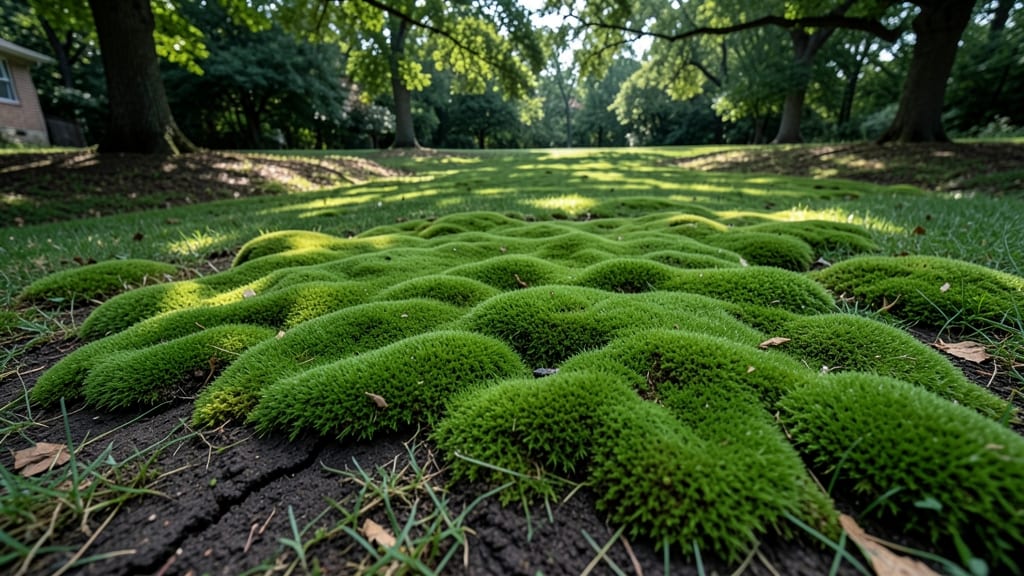
Virginia’s humid subtropical climate creates the perfect breeding ground for stubborn lawn weeds. These 10 persistent weeds—categorized by seasonal dominance—thrive in Virginia’s soil, and knowing how to identify and prevent them year-round is key to maintaining a lush, weed-free lawn.
Creeping Charlie: The Stubborn Broadleaf Invader
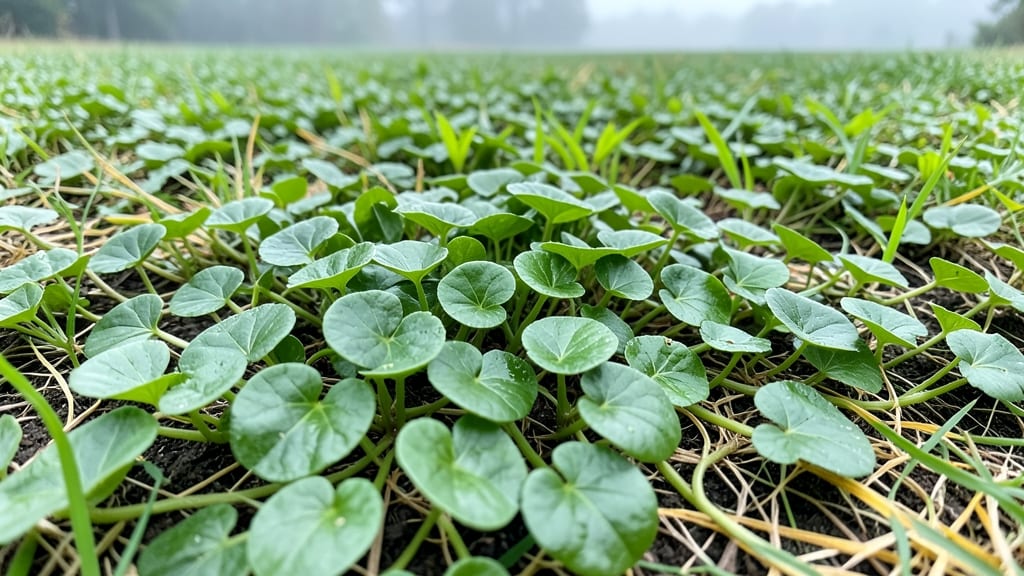
If your Virginia lawn looks like a sea of glossy, round leaves come spring, you’re likely battling Creeping Charlie—the state’s most relentless broadleaf weed. Its rapid spread through underground runners makes it a top contender for lawn dominance, especially in cool, moist conditions that define Virginia’s early season.
This weed thrives in shaded or thin lawns, where its purple-tinged stems and kidney-shaped leaves create dense mats. Unlike many weeds, Creeping Charlie resists traditional herbicides, so spot-treating with vinegar-based solutions or hand-pulling (with the roots!) works best. For prevention, focus on thickening your grass through proper mowing and fertilization—healthy turf is its natural enemy.
Virginia gardeners with shady lawns or those who’ve struggled with persistent broadleaf weeds will recognize this invader immediately. 🌱
Crabgrass: Summer’s Fastest Spreading Grass Weed
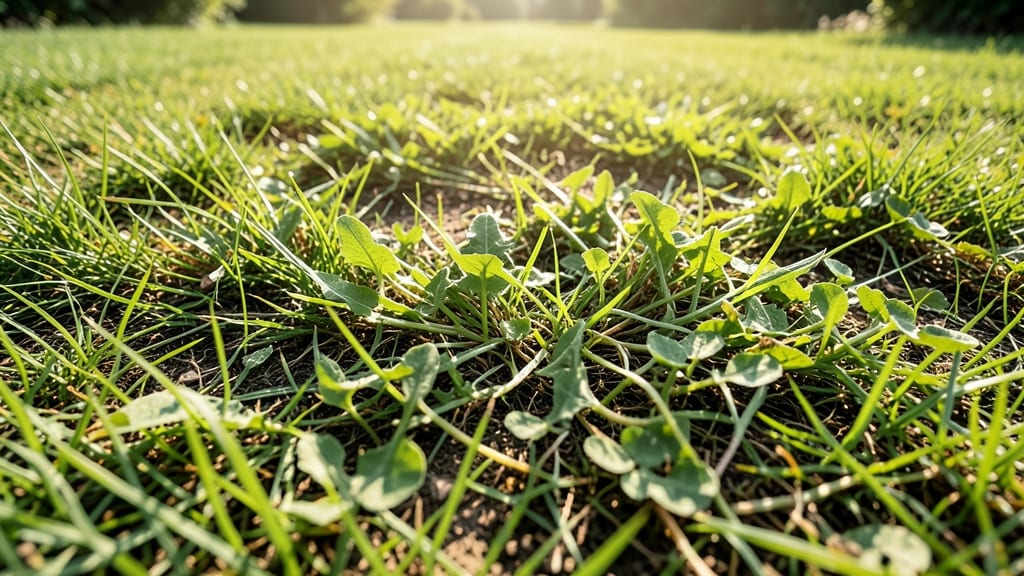
If your Virginia lawn looks like it’s being overtaken by coarse, clover-like sprouts during the dog days of summer, you’re likely battling crabgrass. This aggressive annual weed thrives in the heat, germinating rapidly when soil temperatures hit 55°F or warmer, often appearing in late spring and exploding into dense patches by July.
Crabgrass spreads through seeds that lie dormant in the soil for years, waiting for the perfect conditions to sprout. Its shallow roots create a dense mat that smothers grass, leaving thin, patchy areas. The key to control is pre-emergent herbicides applied in early spring (March-April), before seeds germinate. For existing patches, hand-pulling or spot-treating with post-emergent herbicides can help, but act quickly—this weed grows fast!
Homeowners with high-traffic lawns or compacted soil are especially vulnerable, as crabgrass exploits bare spots. Preventing it starts with proper mowing (3-4 inches high) and overseeding to crowd out weeds naturally. 🌻
Dandelions: Early Spring’s Bright Yellow Menace
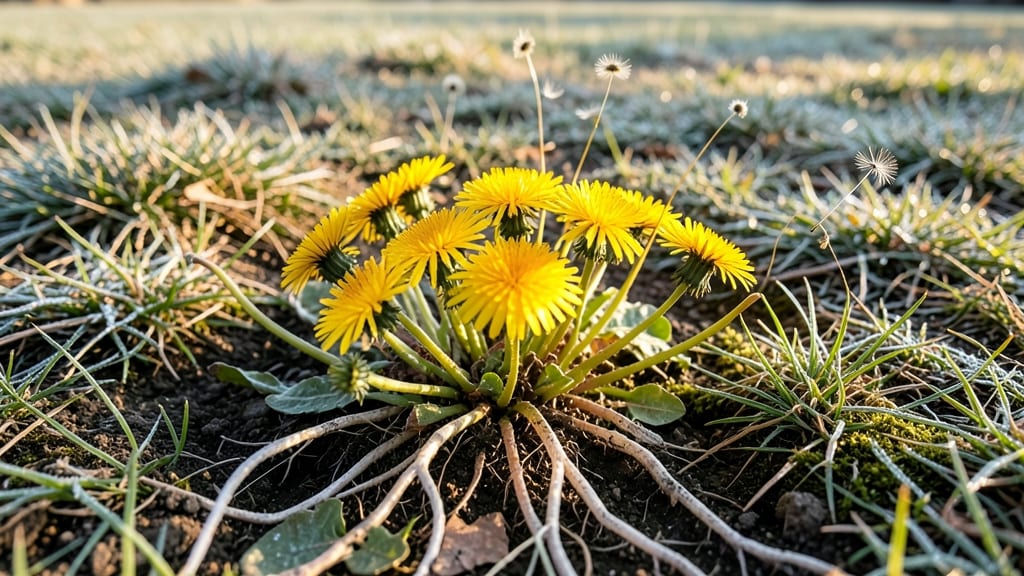
Those cheerful dandelions popping up in your Virginia lawn by late February aren’t just pretty—they’re early spring’s most tenacious weed. Their bright yellow blooms signal the start of weed season, and their deep taproots can disrupt grass growth if left unchecked.
Dandelions spread through windborne seeds that can travel up to 100 feet, landing in every corner of your lawn. Their deep roots (up to 15 inches) also make them difficult to pull by hand. For control, apply a pre-emergent herbicide in early spring before seeds germinate, or spot-treat with a vinegar-based solution for organic options.
While their flowers attract pollinators, their aggressive spread makes them a nuisance for lawn enthusiasts. Virginia gardeners should prioritize dandelion removal in early spring to prevent summer dominance. 🌻
Henbit: Winter’s Purple-Flowered Ground Cover
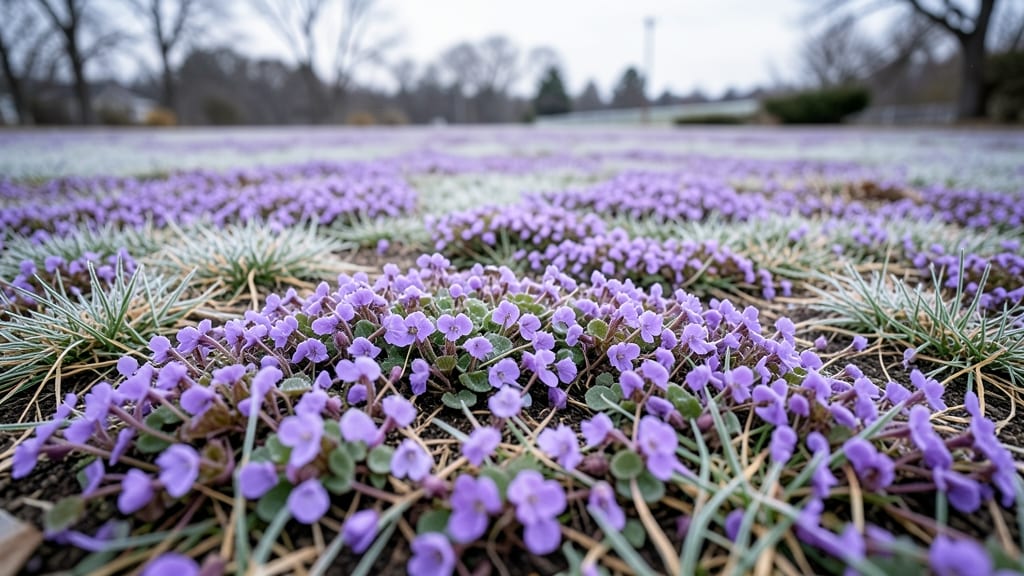
When your Virginia lawn looks like a winter wonderland of purple flowers instead of grass, you’re likely dealing with henbit—a cool-season weed that turns your yard into a temporary floral carpet before vanishing with summer’s first heatwave.
This square-stemmed plant thrives in Virginia winters, forming dense mats that smother grass until temperatures rise. Look for its purple flowers and serrated leaves, which spread rapidly in moist, shaded areas. While it disappears by June, its seeds lie dormant in the soil, ready to return stronger in fall.
For gardeners who notice henbit popping up every winter, pre-emergent herbicides applied in late summer can break its cycle. It’s also a great indicator of compacted soil—consider aerating to discourage its return. 🌷
Nutsedge: The Aquatic-Loving Summer Weed
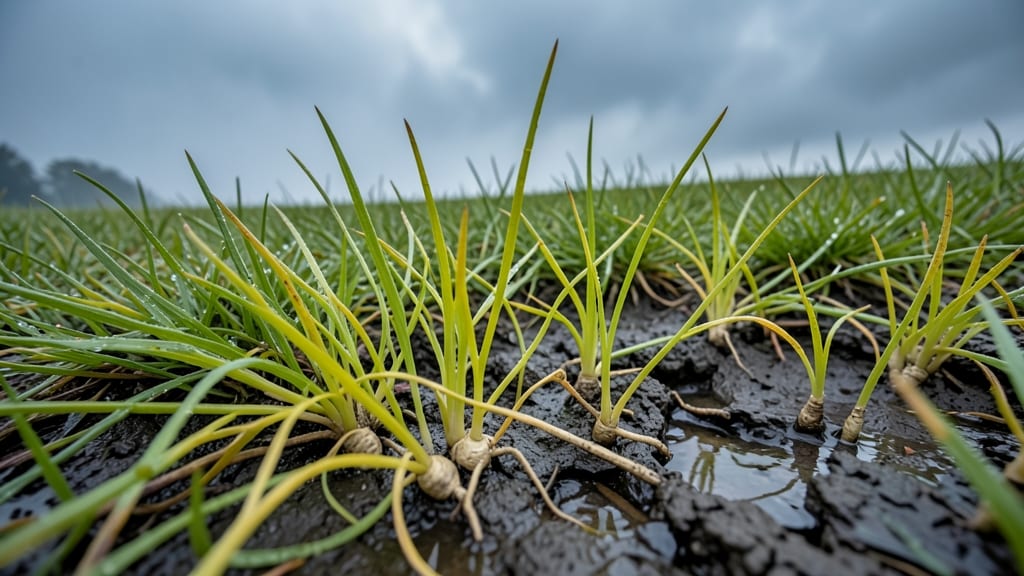
If your lawn looks like it’s drowning in moisture-loving weeds that resemble grass but refuse to stay put, you’re likely dealing with nutsedge—Virginia’s sneaky summer troublemaker. This weed thrives in damp, compacted soil, spreading aggressively through underground tubers that can survive even when the tops are mowed down.
Identify it by its triangular stems and yellow-green, grass-like foliage that forms dense clumps. Unlike grass, nutsedge grows in all four directions from each tuber, making it nearly impossible to eradicate with spot treatments alone. The key to control? Improve drainage, reduce irrigation in problem areas, and apply a pre-emergent herbicide in early summer before new tubers form.
Homeowners with low-lying or poorly drained lawns in Virginia will find nutsedge particularly stubborn. While it’s not harmful, its relentless spread can turn a lush lawn into a yellow-green jungle. 🌱
Clovers: The Nitrogen-Fixing Lawn Disruptor
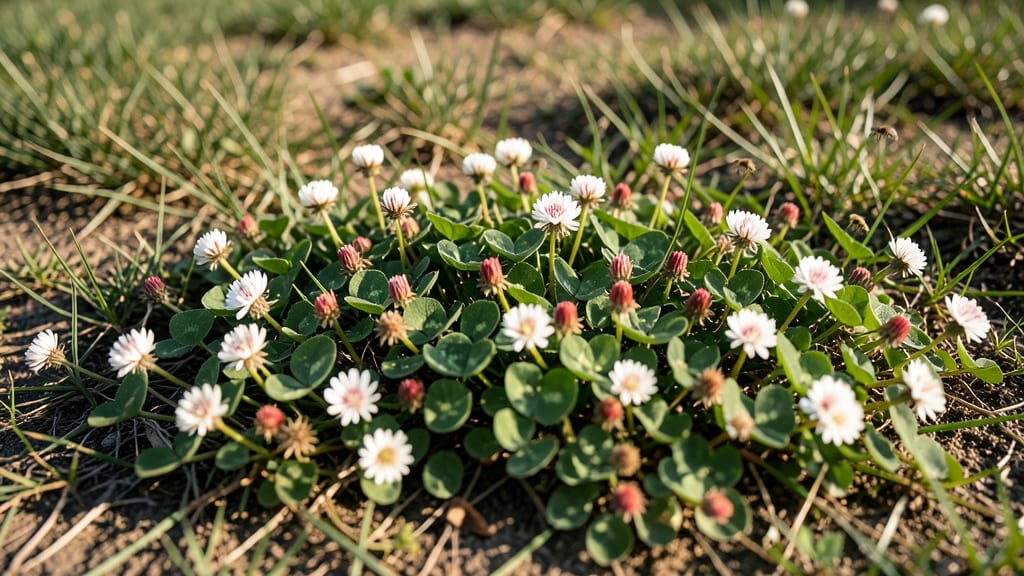
Those little white and red clovers popping up in your Virginia lawn might seem harmless, but they’re quietly stealing the spotlight from your grass—and your bees. While they do enrich soil with nitrogen, their rapid spread creates lumpy, uneven patches that ruin that perfect manicured look.
Clover’s trifoliate leaves and small white flowers are easy to spot, but here’s the catch: they spread via underground runners and self-seed aggressively. To manage them, mow higher (3-4 inches) to shade out new growth and consider spot-treating with a selective herbicide in early spring. If you want to support pollinators, leave a small patch in a garden bed instead—just not in your lawn. 🌱
Chickweed: Spring’s Delicate but Pervasive Weed
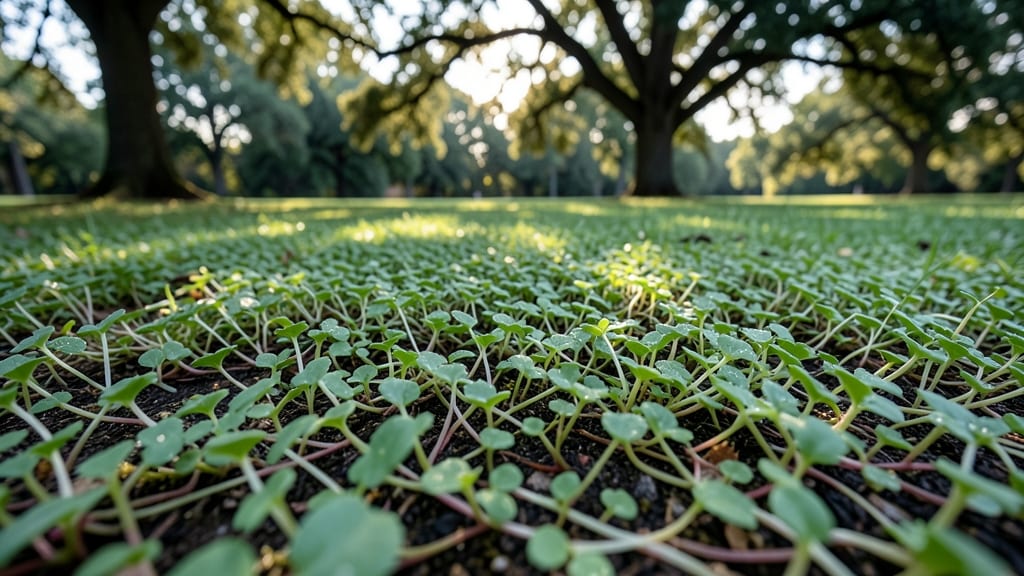
If you’ve ever spotted a lush, green carpet of tiny plants in your shaded lawn come spring, you’re likely dealing with chickweed—a delicate-looking but relentless weed that thrives in Virginia’s cool, damp conditions. Unlike its more aggressive cousins, chickweed spreads through succulent stems that root where they touch the ground, creating dense mats that smother grass and other plants.
This weed’s small white flowers and smooth, oval leaves make it easy to spot, especially in areas with poor sunlight or high moisture. While it may seem harmless, chickweed can quickly take over lawns, gardens, and even container plants if left unchecked. The good news? It’s relatively easy to remove by hand when the soil is moist, or with a targeted herbicide like glyphosate for larger infestations.
Virginia gardeners—especially those with shaded lawns or spring-blooming beds—should keep an eye out for chickweed in early spring. Pulling it early prevents it from spreading and ruining your carefully maintained green spaces. 🌱
Yellow Nutsedge: The Aggressive Summer Twin
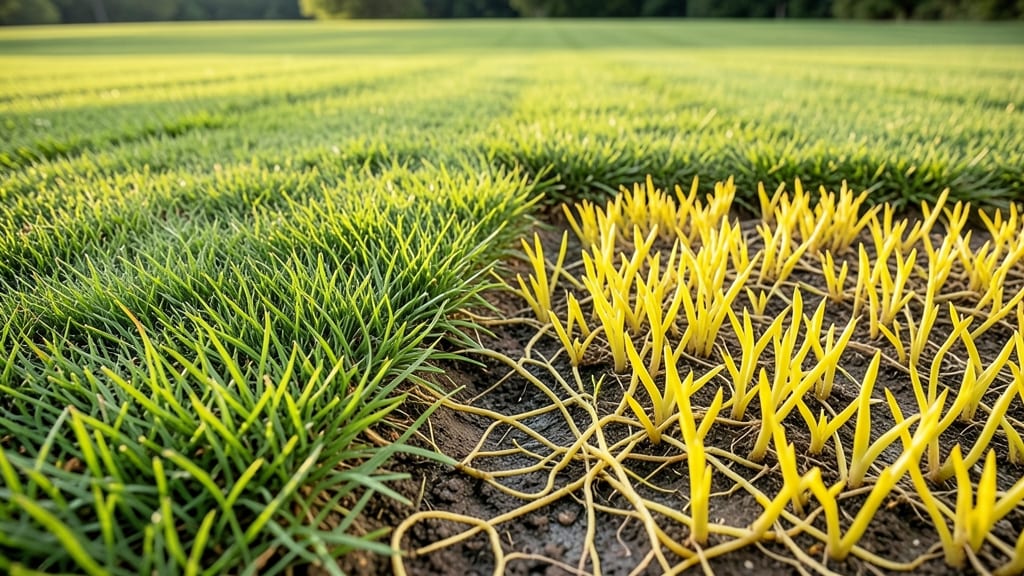
If your lawn looks like it’s growing two types of grass—one lush and one patchy—you might be battling yellow nutsedge, a sneaky summer weed that mimics grass but refuses to stay cut. Unlike crabgrass, this persistent invader thrives in compacted or waterlogged Virginia soil, forming dense yellow-green clumps that outcompete your turf.
Yellow nutsedge spreads through underground tubers, making it nearly impossible to eradicate with surface treatments. Its triangular stems and yellow-green color set it apart from grass, but the real giveaway is how it bounces back after mowing. For control, focus on improving drainage and applying post-emergent herbicides (like glyphosate) directly to the clumps—avoid pre-emergents, as they won’t stop its underground spread.
This weed is especially stubborn in low-traffic areas or spots where water pools, so aerating compacted soil and fixing irrigation issues can help starve it out. Gardeners with shady, damp lawns should stay vigilant—yellow nutsedge loves these conditions and can take over faster than you think. 🌱
Plantain Weeds: Broadleaf Survivors of Drought
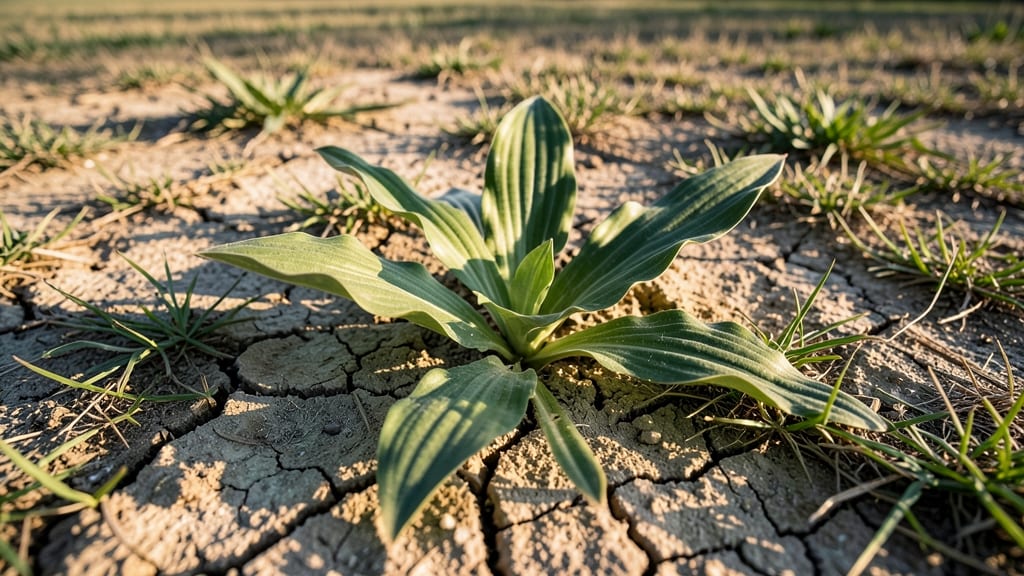
If your Virginia lawn looks like it’s been through a drought—and yet, you still spot ribbed, strap-like leaves clinging stubbornly to the soil—you’re likely dealing with broadleaf plantain. This weed thrives in compacted soil, making it a common sight in lawns where foot traffic or heavy machinery has broken down the earth.
What makes plantain particularly tough is its drought tolerance—it can survive with minimal water, and its deep roots make it resilient to many herbicides. The good news? It’s easily identifiable by its thick, vein-patterned leaves that grow in a rosette shape close to the ground. For best results, pull them when the soil is moist (they’ll come out easier) or use a spot treatment with a post-emergent herbicide labeled for broadleaf weeds.
Lawn care enthusiasts in urban areas or those with high-traffic lawns will recognize plantain as a persistent guest. Since it thrives in poor soil conditions, improving drainage and aerating your lawn can help starve it out over time. 💪
Moss: The Silent Lawn Threat in Shade

That soft, velvety green carpet creeping across your shaded lawn isn’t just moss—it’s a silent indicator of deeper lawn health issues. While moss itself isn’t a true weed, its rapid spread in Virginia’s damp, shaded lawns signals poor soil aeration, compacted soil, or drainage problems that strangle grass roots.
Unlike other weeds, moss thrives in low-light conditions where grass struggles, forming dense mats that block sunlight and moisture from reaching the soil. The solution starts with core aeration in fall or spring to improve airflow, followed by overseeding with shade-tolerant grass varieties like fine fescue. For stubborn patches, a light raking in dry conditions can expose soil to sunlight, discouraging regrowth.
This is your lawn’s way of telling you it needs better care—don’t ignore it! Homeowners with dense tree canopies or northern exposures should prioritize moss control to prevent long-term turf decline. 💚