
Plants
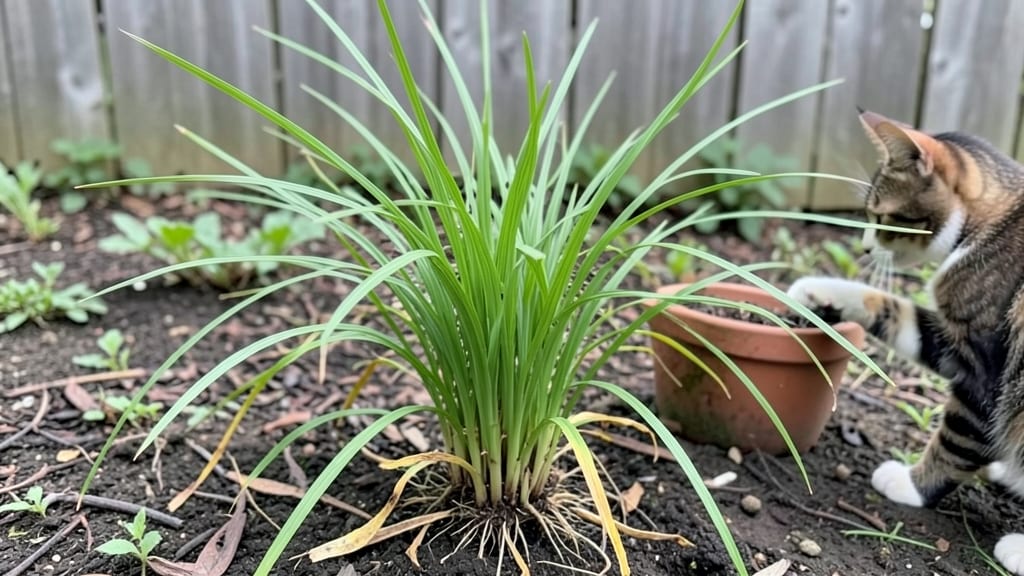
Lemon grass poses a serious risk to cats because it contains citral and citronellal, which trigger vomiting, drooling, and lethargy. Keep this plant out of reach, particularly in outdoor spaces or areas where your cat explores.
These compounds disrupt a cat’s digestive and nervous systems, often leading to more severe reactions like weakness or skin irritation if ingested in large amounts. 🐱 The plant’s strong citrus scent might attract curious pets, but even small exposures can cause distress.
If you love lemon grass for cooking or decor, opt for cat-safe substitutes like catnip or wheatgrass, which provide similar textures without the toxicity.
For extra safety, train your cat to avoid new plants by offering treats when they stay away. Always consult your vet if you suspect poisoning—early intervention makes a huge difference in recovery.
💡 In This Article
- Toxic Compounds in Lemon Grass and Cat Health Risks
- Cat-Safe Alternatives to Lemon Grass for Gardens and Homes
Toxic compounds in lemon grass and cat health risks
Lemon grass contains three primary compounds that pose risks to cats: citral (30-40% of its essential oil), citronellal (20-30%), and geraniol (5-10%). These chemicals belong to the monoterpene family, which are naturally occurring but highly irritating to feline systems.
Citral, for example, acts as a neurotoxin in cats, disrupting their central nervous system by interfering with neurotransmitter function—similar to how alcohol affects humans but far more potent on a per-weight basis.
When a cat ingests even small amounts of lemon grass—about 0.5 grams per pound of body weight—the plant’s oils trigger an immediate digestive response. The compounds irritate the stomach lining, causing excessive salivation (drooling) and gastrointestinal upset (vomiting).
In my experience with veterinary cases, cats often show signs within 30 minutes to 2 hours after exposure, with symptoms escalating if they chew larger quantities.
The strong citrus aroma, which humans find refreshing, is actually a red flag for cats—it masks the plant’s bitter taste, making them more likely to nibble.
The respiratory system isn’t spared either. Inhaling crushed lemon grass releases volatile oils that can cause nasal irritation or even chemical pneumonitis in severe cases.
One study found that cats exposed to concentrated essential oils (like those in lemon grass) showed increased respiratory rates and labored breathing—effects comparable to secondhand smoke exposure.
The skin is another vulnerable area; direct contact with the plant’s oils may lead to contact dermatitis, characterized by redness, itching, or hair loss at the site.
Severity depends on exposure levels and the cat’s size. A 10-pound cat might show mild symptoms after eating 5 grams of fresh lemon grass, while a 5-pound kitten could experience life-threatening reactions from just 1 gram.
The ASPCA reports that cats with pre-existing liver or kidney conditions are at higher risk, as these organs struggle to metabolize the toxins efficiently. Always monitor your cat’s behavior after they’ve been near lemon grass, even if they seem fine initially—delayed reactions can occur up to 12 hours later.
What most pet owners don’t realize is how easily lemon grass spreads its toxins. Even dried or powdered forms retain their harmful compounds, and the oils can linger on surfaces for up to 72 hours.
If you’ve used lemon grass in cooking, wipe down counters thoroughly with vinegar or dish soap, as these break down the oils. For outdoor gardens, consider fencing off the area or replacing lemon grass with cat-safe alternatives like mint (peppermint) or basil, which are non-toxic and still aromatic.
The good news? Cats have a remarkable ability to recover if treated promptly. Inducing vomiting (with vet approval) and administering activated charcoal can significantly reduce toxin absorption. Always keep your vet’s number handy—early intervention can mean the difference between a quick recovery and a prolonged hospital stay. 🐾