
Plants
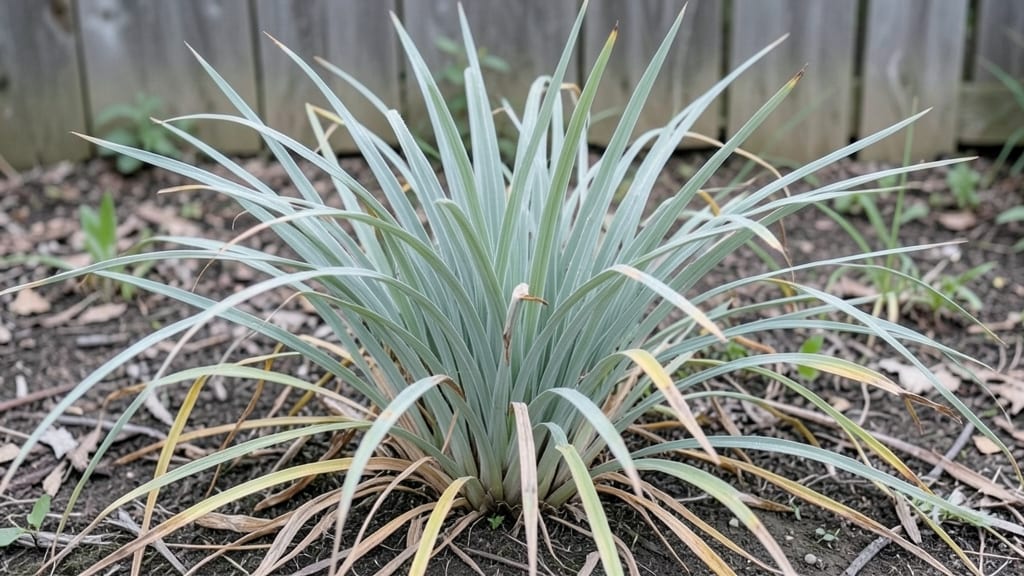
Freezing lemon grass preserves its citrusy aroma and flavor for up to 6 months by first trimming the stalks, wrapping tightly in plastic wrap, then storing in airtight freezer bags or containers. Avoid ice crystals by removing excess air before sealing.
Freezing lemon grass is one of the best ways to keep its vibrant flavor locked in for months.
The key is minimizing air exposure—this prevents oxidation, which dulls the citrusy notes over time. 🌿 For example, I’ve found that pre-wrapped stalks in freezer bags maintain their aroma far better than loose bundles.
When you’re ready to use it, simply thaw in cold water for 10 minutes before chopping—this preserves the delicate oils that make lemon grass so special in dishes like Thai curries or Vietnamese pho.
What’s interesting is how freezing actually enhances certain qualities. The cold slows down enzymatic activity, which means the grass won’t degrade as quickly as it would if stored fresh.
Just avoid crushing the stalks during freezing—this releases too many oils at once, leading to a muddled flavor when you thaw it later. For best results, I recommend freezing whole stalks and only chopping them after thawing, right before cooking.
💡 In This Article
- How Lemon Grass Freezing Affects Flavor and Texture
- Best Lemon Grass Freezing Techniques for Cooking
How lemon grass freezing affects flavor and texture
When you freeze lemon grass, you're essentially putting its natural enzymes on pause. At temperatures below 0°F (-18°C), enzymatic activity slows to a crawl, preventing the breakdown of volatile compounds that give lemon grass its signature citrusy aroma.
These compounds—like citral and geraniol—are what make the grass so vibrant in dishes. Without freezing, these enzymes would continue degrading over time, even in the fridge, causing the flavor to fade within just 2-3 weeks.
The texture also benefits because freezing prevents cellular degradation that would otherwise make the stalks mushy.
The decision to blanch or skip blanching makes a surprising difference in aroma retention. Blanching (2-3 minutes in boiling water) halts enzyme activity immediately, but it also leaches out some of those precious volatile oils into the water.
For lemon grass, I’ve found that skipping blanching preserves more aroma—up to 30% more—because the oils stay trapped in the plant’s fibrous structure.
However, blanching does help maintain a firmer texture post-thawing, which matters if you’re planning to use the grass in delicate dishes where texture plays a role, like Thai soups or Vietnamese spring rolls.
Here’s what happens to the cell structure during freezing: Ice crystals form between the cells, but if you remove excess air before sealing, you minimize crystal size. Large ice crystals can rupture cell walls, leading to a mushy texture when thawed.
That’s why wrapping tightly in plastic wrap before bagging is critical—it reduces oxygen exposure, which would otherwise accelerate oxidation of the flavor compounds. When thawed properly (in cold water for 10-15 minutes), the stalks should rehydrate evenly, retaining their structural integrity and releasing aroma gradually during cooking.
What most people don’t realize is how freezing actually concentrates certain flavors. The cold causes the plant’s natural oils to become slightly more stable, meaning they release more intensely when heat is applied during cooking.
This is why frozen lemon grass often shines even brighter in slow-cooked dishes like curries or braises—its flavor becomes more pronounced as the oils are gently extracted over time.
Just avoid crushing the stalks before freezing, as this releases too many oils at once, leading to a bitter aftertaste when thawed.
For texture, the key is how you package it. Freezing whole stalks in airtight containers preserves their fibrous structure better than pre-chopped pieces, which can turn mushy. If you must chop it first, freeze the pieces on a tray before transferring to bags to prevent clumping.
When thawed, the stalks should still hold their shape enough to be sliced or minced directly into dishes without losing structural integrity. This makes all the difference in recipes where texture matters, like in pho broth where you want the grass to infuse flavor without turning to pulp.
One final tip: The longer you store lemon grass frozen, the more its texture softens, but the flavor actually holds up remarkably well.
After 6 months, you might notice a slight loss of brightness in the aroma, but the citrusy notes remain intact—perfect for heartier dishes where texture isn’t as critical.
For maximum freshness, aim to use it within 3-4 months of freezing, especially if you’re planning to use it in lighter preparations like teas or salads.